Best Low-Sodium Vegetable Stock for Healthy Cooking and Flavor
Looking for a low-sodium vegetable stock that enhances flavor without overwhelming salt? This article highlights five top options ideal for soups, stews, gravies, and more. Each product is evaluated for clarity, ingredients, and suitability for different diets or cooking styles. Whether you’re preparing a vegan weeknight dinner or a savory pan sauce, there’s a low-sodium stock here to fit your needs. The following short table summarizes the best picks and their primary strengths.
| Product | Best For | Notes |
|---|---|---|
| Imagine Organic Low-Sodium Vegetable Broth | Organic, non-GMO cooking | Nice balance of veggies and herbs |
| Pacific Foods Low Sodium Organic Vegetable Broth | Vegetarian meals, soups | Gluten-free, fat-free |
| College Inn 40% Less Sodium Garden Vegetable Broth | Everyday cooking, gravies | Convenient re-sealable carton |
| Kettle & Fire Organic Vegetable Cooking Broth Low Sodium | Flavorful base for delicate dishes | Clean ingredients, rich taste |
| Swanson Vegetable Stock | Homemade-taste base | Gluten-free, simple seasoning |
Imagine Organic Low-Sodium Vegetable Broth

Best for organic-focused kitchens, this broth features vegetables simmered with savory herbs and is Non-GMO Project Verified along with USDA-Certified Organic certification. It’s a solid pick for cooks who prioritize clean, organic ingredients. Suitable for vegans and vegetarians seeking a lower-sodium option. Caution: flavor profiles may be milder than full-sodium stocks, so consider boosting with herbs when needed.
Pacific Foods Low Sodium Organic Vegetable Broth

Best for home cooks who want a rich, wholesome base for soups and sides without added salt. The broth is simmered with leeks, onions, garlic, carrots, celery, and vine-ripened tomatoes, delivering a robust vegetable-forward flavor. It’s fat-free and gluten-free, aligning with vegan and vegetarian diets. Limitation: flavor may be lighter in very large batch recipes; consider reducing salt elsewhere in the dish.
College Inn Garden Vegetable Broth 40% Less Sodium

Best for cooks who want a versatile, affordable option with a convenient re-sealable carton. This broth blends vegetables, herbs, and spices to enhance gravies, marinades, soups, stews, rice, pasta, and stir-fries. It’s a practical everyday stock that keeps sodium modest while preserving flavor. Caution: some users may detect a mildly altered aftertaste from reduced sodium; adjust other seasonings accordingly.
Kettle & Fire Organic Vegetable Cooking Broth Low Sodium

Best for cooks seeking clean ingredients and rich, savory flavor without artificial additives. The broth uses real carrots, onions, leeks, tomatoes, mushrooms, and herbs. It’s noted for tasting better than competing products and works well as a base for delicate sauces or braises. Limitations: some buyers may prefer a more pronounced vegetable sweetness; consider balancing with a pinch of sugar or aromatics in certain recipes.
Swanson Vegetable Stock
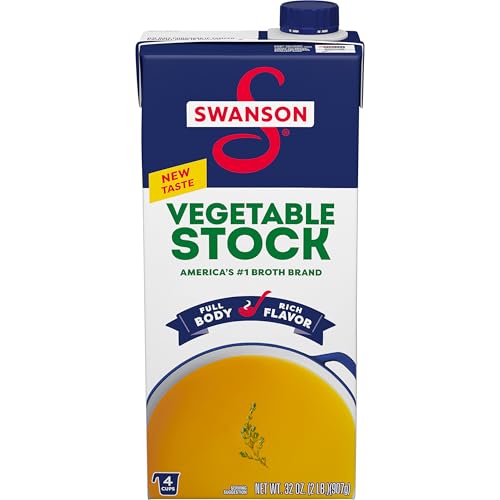
Best for a traditional, dependable base with a homemade-taste appeal. Swanson emphasizes quality ingredients and a simple seasoning profile, making it suitable for classic soups and gravies. It’s gluten-free with no preservatives and no artificial flavors or colors. Limitation: the taste profile is straightforward; for more complex dishes, blend with roasted vegetables or miso to deepen depth.
Buying Guide
What should you consider when buying low-sodium vegetable stock?
- Sodium content and labeling: Look for options labeled as “low sodium” or “no added salt” if you’re monitoring intake.
- Ingredients: Prefer products with recognizable whole vegetables, herbs, and spices. Organic and non-GMO certifications can reflect cleaner sourcing.
- Diet compatibility: Vegans and vegetarians often benefit from gluten-free, dairy-free formulations without animal-derived ingredients.
- Flavor profile: Some stocks taste richer or sweeter due to tomato, carrot, or leek content. Choose based on your dish needs.
- Format and convenience: Cartons are easy to store; multipacks and cubes offer quick usage in small batches. Consider packaging that fits your pantry and cooking style.
- Versatility: Some stocks excel as bases for soups, stews, gravies, or sauces; others serve as sipping broths or cooking liquids for grains.
FAQ
- What is the main benefit of low-sodium vegetable stock?
It adds savory depth to dishes while helping manage sodium intake.
- Are all organic stocks automatically low in sodium?
No. Organic certification covers farming practices, not sodium levels. Read the label for sodium content.
- Can low-sodium stock replace salt in recipes?
Yes, but you may need to adjust other salty ingredients to avoid under-seasoning.
- Is vegetable stock suitable for vegans?
Many are; verify that no animal-derived ingredients are listed on the label.
- Which stock has the strongest vegetable flavor?
Stocks with a mix of leeks, onions, garlic, and tomatoes often provide the most robust base.
- Do these stocks contain preservatives?
Most formulations aim to minimize additives; check the ingredients list for any preservatives you wish to avoid.
Leave a Reply