Best Low Carb Vegetable Noodles for Healthy, Tasty Meals
Answering the demand for satisfying, low-carb noodle options, this guide highlights five top picks ideal for keto, paleo, vegan, and gluten-free diets. Each product is chosen for its ability to deliver familiar pasta texture with fewer carbs. Best for busy deciders who want ready-to-prepare noodles that fit a low-carb lifestyle.
Buyer profile snapshot: the top picks cater to different preferences—hearts of palm-based substitutes for paleo and veggie-forward eaters (Palmini, Food for the Sol), konjac-based options for carb-conscious dieters (52USA Shirataki), and protein-forward noodle alternatives for those seeking higher protein content (HealSpot, Pete’s Pasta). Use the summary table to compare key traits at a glance.
| Product | Best For | Main Carbs (approx) | ||
|---|---|---|---|---|
| Palmini Linguine Pasta | Vegans and gluten-free diners seeking hearts of palm pasta | Low carb | Low protein | Natural hearts-of-palm base, versatile sauce compatibility |
| Pete’s Pasta Spaghetti Noodles | Italian-flavor lovers who want high protein, low net carbs | Very low / 0 net carb in some varieties | High protein | Authentic Italian technique, al dente feel |
| 52USA Konjac Shirataki Noodles | Dieters seeking ultra-low calorie and carb options | Very low net carbs | Low protein | Multiple shapes; sugar-free and vegan |
| Food for the Sol Hearts of Palm Pasta | Clean-label lovers wanting plant-based pasta | Low carb | Low to moderate protein (plant-based) | Al dente texture, no additives in brine |
| HealSpot Tofu Noodles | Protein-focused, plant-based eaters needing low carb | Low net carbs | 11 g per serving | Tofu-based, no added sugar |
Palmini Linguine Pasta

Brand: Palmini
Product type: Low-carb pasta substitute made from hearts of palm. This option is vegan, gluten-free, non-GMO, and keto-friendly. It is often seen as a faithful pasta stand-in thanks to its recognizable noodle shape and sauce-friendly texture.
Best for: Vegans, gluten-free diners, and those who want a plant-based pasta that mimics traditional noodles without high carbs.
Why chosen: The product foregrounds a clean, plant-based base with a pasta-like experience that pairs well with tomato, cream, or olive oil sauces. Its appeal lies in a near-pasta look and feel while keeping carbohydrates low.
Caution: Hearts of palm-based noodles can have a distinct texture; some cooks prefer specific sauces to optimize mouthfeel. Rinse and pat dry before serving to reduce wateriness.
Low Carb, Protein Pasta | Pete’s Pasta Spaghetti

Brand: Pete’s Pasta
Product type: Low-carb, high-protein pasta crafted in Italy. The noodles are designed to deliver al dente texture with significantly reduced carbs and increased protein compared to traditional pasta.
Best for: Those who want Italian-style noodles with a strong protein boost, suitable for sauce-forward meals or quick stir-fries that demand a firm bite.
Why chosen: Combines authentic pasta technique with a keto-friendly macro profile—lower net carbs and higher protein—helping satisfy pasta cravings without sacrificing nutrition.
Caution: Some users may notice a slightly firmer bite; cooking time may require adjustment to achieve preferred al dente texture.
52USA Konjac Shirataki Noodles
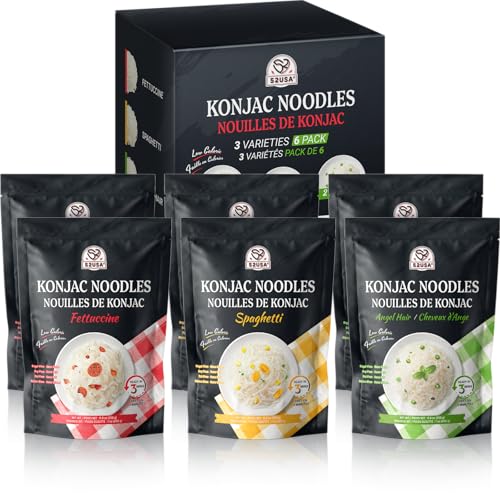
Brand: 52usa.com
Product type: Konjac-based, ultra-low-carb noodles offered in various shapes. Known for minimal calories and a flexible texture that holds sauces well.
Best for: Dieters tracking carbohydrate intake who still want noodle dishes, plus those seeking vegan and paleo-compatible options.
Why chosen: Konjac noodles are among the lowest-carb options in pasta substitutes, enabling a wide range of meals from soup to stir-fry with a slim carb footprint.
Caution: These noodles can swell when soaking; rinse thoroughly and portion control is important to avoid overconsumption in one sitting.
Food for the Sol Hearts of Palm Pasta

Brand: FOOD FOR THE SOL
Product type: Al dente heart-of-palm pasta, vegan, gluten-free, and low-carb. Pack includes three servings with a light, plant-based profile.
Best for: Clean-label eaters who want a simple, plant-based pasta alternative that preserves the feel of traditional spaghetti.
Why chosen: The product emphasizes minimal processing and natural ingredients, aligning with diets that limit additives while delivering a recognizable pasta experience.
Caution: Heart-of-palm pasta can be more delicate; handle gently to maintain shape and bite after cooking.
HealSpot Tofu Noodles
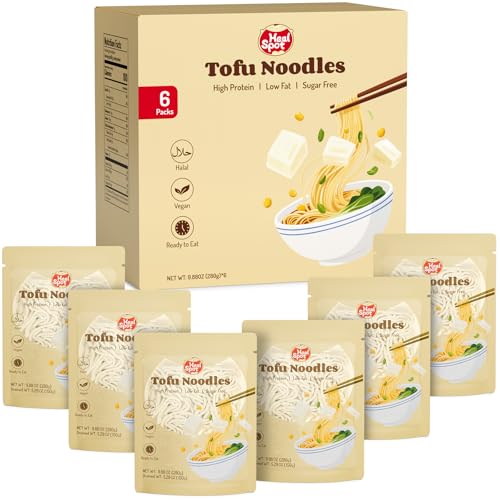
Brand: Healspot
Product type: High-protein, tofu-based noodles with low net carbs. Made from soy milk and wheat, offering a clean label and texture closer to traditional noodles than konjac options.
Best for: Fitness-minded individuals and vegetarians seeking a protein-rich, low-sugar noodle option that pairs well with broth or sauces.
Why chosen: Provides a higher protein alternative in the low-carb category, making it a solid choice for meals that aim to balance macros without sacrificing flavor.
Caution: Contains soy and wheat; check for dietary restrictions and allergen considerations before purchase.
Buying Guide
What should I look for in low-carb noodle substitutes?
Carbohydrate content per serving is primary. Check net carbs if the label provides it. Also consider protein levels, as some options add protein to help with fullness and muscle maintenance. Ingredient quality matters for taste and texture—hearts of palm and tofu options deliver different mouthfeels than konjac.
Which option fits a vegan diet best?
Palmini Linguine and Food for the Sol Hearts of Palm Pasta are vegan-friendly, with simple plant-based bases. Konjac-based options are typically vegan as well. If you want higher protein from plant sources, HealSpot Noodles or Pete’s Pasta variants may suit a protein-forward vegan approach.
Texture and cooking tips
Konjac noodles can have a distinct texture and may need thorough rinsing and brief dry-prying before use to reduce odor or gumminess. Hearts of palm pastas resemble traditional pasta more closely when rinsed and gently reheated. Tofu noodles often need careful handling to avoid mushiness; pair with robust sauces to maintain bite.
Which is best for sauces and meals?
Hearty sauces like tomato-based or creamy Alfredo-style sauces pair well with Palmini, Pete’s Pasta, and Food for the Sol varieties. If you want a noodle that behaves similarly to conventional pasta in a dish, Pete’s Pasta and Palmini are strong candidates for sauce-coated meals.
Storage and shelf considerations
Most low-carb pastas come in sealed packaging with brine or water. Store in a cool, dry place until opened. Once opened, follow package directions for refrigeration and consumption to preserve texture and flavor.
FAQ
- Are these noodles truly low carb? Most options are designed to be lower in net carbs than traditional pasta, with some offering near-zero net carbs per serving. Always check the nutrition label for exact values per serving.
- Which noodle is best for protein-rich meals? HealSpot Tofu Noodles and Pete’s Pasta variants offer higher protein content per serving compared to typical low-carb options, making them better for protein-forward meals.
- Can I replace regular pasta with these in any recipe? Many substitutes work well with standard pasta sauces, but texture and cooking times may differ. Adjust simmer times and sauce consistency as needed.
- Do any options taste like traditional wheat pasta? Hearts of palm and some Italian-style low-carb pastas aim to mimic traditional pasta; texture may vary, with some fans preferring firmer al dente results.
- Are these noodles vegan? Several options (Palmini, Food for the Sol, and many konjac-based noodles) are vegan. Always verify specific product ingredients if you follow vegan guidelines.
- Which is the easiest to prepare? Konjac-based noodles and heart-of-palm pastas typically require minimal cooking—often just a quick rinse and brief heat. Protein-forward noodles may need slightly longer cooking depending on texture goals.
Leave a Reply