Best Low Carb Roti Flour for Sugar-Conscious Home Cooks
The top choices for low carb roti flours focus on lower glycemic load, high protein, and gluten-free options where needed. This guide helps buyers pick flours that fit a low-carb or diabetes-friendly diet while still offering familiar textures for chapatis, rotis, and flatbreads. Best for: readers seeking gluten-free options, diabetics wanting lower glucose spikes, and cooks who want protein-rich, low-carb alternatives.
| Product | Main Benefit | Best For |
|---|---|---|
| Diabexy Atta Gluten Free Sugar Control | Low glycemic load; gluten-free; higher protein | Diabetics needing gluten-free options |
| Diabexy Atta Sugar Control LITE Nuts Free | 75% less glucose load; nut-free | People with nut allergies seeking low glycemic options |
| Carbalose Low Carb Flour | Up to 90% fewer net carbs; behaves like wheat flour | Low-carb bakers who want familiar texture |
| Kaizen Lupin Flour | 12g plant protein per serving; only 1g net carb | High-protein, low-carb vegan baking |
| Diabexy Atta Sugar Control for Diabetes | 86% less glucose load; suitable for homemade meals | Diabetes-friendly daily use |
Diabexy Atta Gluten Free Sugar Control – 1 kg

Diabexy Atta Gluten Free Sugar Control reduces glycemic load and is gluten-free. It is formulated with ingredients like peanut, coconut, flax seed, and almond proteins, aiming to deliver higher protein per 100g and support a diabetic-friendly diet. Best for: diabetics who need gluten-free options and higher protein content, and for cooks seeking a gluten-free alternative to traditional roti flour. Caution: gluten-free formulations may alter dough elasticity and require adjustments in water or hydration when making flatbreads.
Diabexy Atta Sugar Control LITE Nuts Free for Diabetics – 1kg

Diabexy Atta Lite Nuts Free is designed for nut-allergic households while maintaining a low glycemic profile. It targets better sugar readings and a safe option for daily meals. Best for: individuals with nut allergies who still want a low glycemic, plant-based flour. Limitation: as a specialized product, it may behave differently in recipes that depend on nut-derived fats for flavor and texture.
Carbalose Low Carb Flour, 2.2 lb

Carbalose is a wheat-based flour designed to reduce net carbs by up to 90% per serving while behaving like regular flour. It is ideal for bakers who want to make low-carb versions of bread, rotis, pizzas, and pancakes without changing the recipe’s texture too much. Best for: home bakers seeking a “regular flour” experience with substantially lower net carbs. Caution: while it mimics wheat flavor, some recipes may require slight hydration adjustments due to its higher fiber content.
Kaizen Lupin Flour 2lbs

Kaizen Lupin Flour uses lupin beans, offering 12g plant protein per serving and only 1 net carb. It is gluten-free and vegan, making it a versatile option for keto and high-protein low-carb diets. Best for: those seeking a high-protein, very low net carb flour that fits vegan and gluten-free needs. Caution: lupin can trigger allergies in some individuals; verify tolerance before broad use in meals.
Diabexy Atta Sugar Control for Diabetes – 1kg
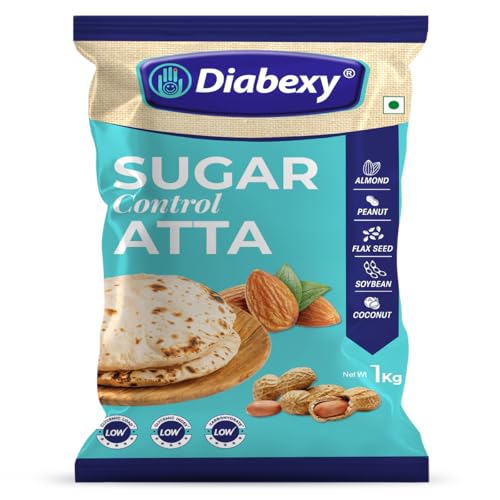
Diabexy Atta Sugar Control is designed to lower glucose fluctuations with 86% less glucose load than multigrain atta. It emphasizes a blend of nuts, seeds, protein, and fiber to stabilize sugar levels. Best for: daily cooking for diabetics seeking a predictable sugar response. Caution: product claims rely on formulation; adjust expectations if recipes rely on traditional wheat attributes such as elasticity.
Buying Guide: Key Considerations for Low Carb Roti Flours
- Glycemic impact: Look for explicit statements about glucose load or glycemic index, especially for diabetes-focused flours.
- Allergen considerations: Nut-free or gluten-free options are important depending on dietary needs.
- Protein content: Higher protein can support satiety and muscle maintenance, impacting long-term diet adherence.
- Carb count: Net carbs per serving guides how much you can include in a meal without exceeding daily goals.
- Flavor and texture: Some flours behave like regular wheat; others require recipe adjustments for hydration and elasticity.
- Diet suitability: vegan, gluten-free, nut-free, and non-GMO claims may influence choice based on personal choices.
Frequently Asked Questions
- What is the best low-carb flour for traditional roti texture?
Carbalose offers a wheat-based profile that often preserves familiar dough handling and texture with significantly lowered net carbs. - Are gluten-free low-carb flours suitable for roti?
Yes, many options like Diabexy Atta Gluten Free Sugar Control provide low glycemic load while remaining gluten-free, but dough elasticity may require adjustments. - Can lupin-based flour replace regular roti flour?
Kaizen Lupin Flour provides high protein and very low net carbs, but the flavor and mouthfeel differ; start with small ratios in recipes. - Do these flours require changes to water content?
Yes, several low-carb flours absorb water differently; monitor dough consistency and adjust hydration as needed. - Is nut-free important for roti flours?
Nut-free options, like Diabexy Atta Lite Nuts Free, reduce allergy risk and still offer low glycemic benefits. - Are these products suitable for daily diabetes management?
Many are designed to support steadier sugar levels, but consult a healthcare professional for personalized guidance.
Leave a Reply