Best Low Carb Rice Substitutes for Keto and Paleo Diets
For readers seeking tasty, low-carb alternatives to white rice, there are severalKonjac, lupin-flour blends, and heart-of-palm options that fit keto, paleo, vegan, and gluten-free lifestyles. This guide highlights five top choices, comparing texture, nutrition, and preparation so you can pick the best match for your meals.
| Product | Key Benefit | Diet Fit |
|---|---|---|
| Hethstia Shirataki Rice | Low calorie, high fiber, good texture | Keto, Paleo, Gluten-Free, Vegan |
| Kaizen Low Carb Keto Rice | High protein, low net carbs | Keto, Gluten-Free, Plant-Based |
| Kaizen Low Carb Keto Rice Variety Pack | Multiple flavors, same macro benefits | Keto, Gluten-Free, Plant-Based |
| Palmini Rice | Very low calories and carbs | Keto, Gluten-Free, Vegan |
| Konnyaku Rice (2 packs) | Zero fat, low GI, high fiber | Keto, Paleo, Vegan |
Hethstia Shirataki Rice Review

Hethstia Shirataki Rice is built on konjac glucomannan, a soluble fiber known for its volume and fiber content. The product is marketed as low calorie and low carb, with an emphasis on a neutral odor and a texture that holds up when paired with sauces. It is labeled vegan, gluten-free, sugar-free, and suitable for gluten-free, paleo, and keto lifestyles. The product aims to deliver a rice-like experience without the carbohydrate load, making it a popular option for those managing carbohydrate intake while seeking a filling dish base. Preparation typically involves rinsing and quick heating to achieve a ready-to-eat form that complements sauces and proteins.
Kaizen Low Carb Keto Rice
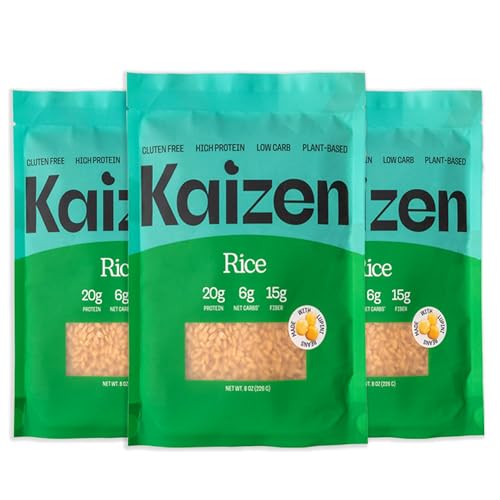
Kaizen Low Carb Keto Rice is designed to deliver a rice-like experience with a focus on macro balance. It advertises 6 net carbs per 2-ounce serving and 20 grams of protein, positioning itself as a high-protein alternative to traditional rice. It emphasizes being low calorie, grain-free, gluten-free, soy-free, kosher-certified, and 100% plant-based. The product targets individuals following keto or other low-carb regimens who still want fiber, protein, and a satisfying texture in meals like stir-fries or bowls without compromising dietary goals.
Kaizen Low Carb Keto Rice Variety Pack

This variety pack brings Original, Mediterranean, and Spanish flavors, offering the same macro benefits in three taste profiles. Each 2-ounce serving retains approximately 6 net carbs and 20 grams of protein, making it easy to diversify meals without extra carbs. The pack suits users who enjoy experimenting with global flavors while maintaining a low-carb approach. Flavor options can elevate bowls, sides, and stir-fries, giving flexibility for meal planning across the week.
Palmini Rice

Palmini Rice is made from hearts of palm and is marketed as a low-calorie, keto-friendly rice substitute. Each serving contains around 20 calories and roughly 4 grams of carbohydrates, making it an appealing option for those seeking to reduce carbs while maintaining flavor and satisfaction. The product is gluten-free, vegan, and non-GMO, aligning with diverse dietary patterns. Palmini is frequently used as a base for stir-fries, pilafs, and compatible with a wide range of sauces, offering a light texture that absorbs sauces without becoming mushy.
Konnyaku Rice (2 packs)

Konnyaku rice offers a zero-fat, low-carb option with high fiber content, designed to support fullness and stable blood sugar. Suited for keto and paleo diets, it is vegan and gluten-free, with a low glycemic impact. Preparation involves a simple rinse and brief boil, making it convenient for quick meals. This variant emphasizes health-focused ingredients while providing a rice-like experience without the usual carbohydrate load, suitable for those prioritizing fiber and satiety alongside flavor.
Konnyaku Rice (Another Pack)

This second konnyaku rice option reinforces the same benefits—low carbs, zero fat, vegan, gluten-free, and high fiber. The product is designed for flexible meal prep: rinse, boil, and incorporate into a variety of dishes. Despite similar labeling, subtle differences in texture and fiber content can influence mouthfeel in stir-fries, soups, and bowls, making it worth trying as part of a balanced low-carb strategy.
Buying Guide
Key considerations when choosing a low-carb rice substitute include macro balance, texture, flavor absorption, and preparation convenience. First, assess net carbs and protein if you need a more filling option; some products like Kaizen’s line offer notable protein content alongside low net carbs. Next, texture compatibility matters: konjac-based and hearts-of-palm products can range from chewy to rice-like; try multiple textures to match your favorite dishes. Flavor versatility is also important; variety packs from Kaizen provide different profiles for bowls and sides. Finally, diet alignment should guide choice: vegan, gluten-free, paleo, keto, or general low-carb needs each have different product nuances. Consider batch size, shelf stability, and whether you prefer ready-to-eat or quick-cook formats for regular meal planning.
To maximize results, mix substitutes with familiar ingredients like vegetables, lean proteins, and low-sodium sauces. Use a light touch with sauces to prevent overpowering the product’s natural texture. For best texture, ensuring proper rinsing and brief heating helps prevent off-notes and maintains the intended bite. If you are curious about texture and taste across products, consider starting with one konnyaku-based option for a neutral base, then exploring Palmini for a heart-of-palm profile or Kaizen for protein-forward options. This approach offers a practical, tasty path to sustaining a low-carb lifestyle.
Leave a Reply