Best Low Carb High-Protein Pasta for Keto Dieters
Yes, you can enjoy pasta without sabotaging your low-carb or high-protein goals. This guide highlights five top low-carb, high-protein pasta options designed for American shoppers who want real Italian flavor with reduced carbs and added protein. Built for keto-friendly and health-conscious buyers, each option is evaluated for taste, texture, and practicality so you can pick the best match for your meals and lifestyle.
Overview table of selected products:
| Product | Protein | Net Carbs | Best For |
|---|---|---|---|
| Pete’s Pasta Low Carb, Protein Pasta Variety (Penna, Rotini, Elbow) | 17g per serving | 7g | All-purpose pasta lovers who want variety |
| Kaizen Fusilli Protein Pasta | High protein (20g) | 6g net | Plant-based, gluten-free enthusiasts |
| Brami Italian Protein Pasta Variety Pack | 21g per serving | 9g | High-protein, high-fiber Italian pasta |
| Pete’s Pasta Spaghetti Noodles | 20g | 0g net | Zero-carb, traditional spaghetti flavor |
| Carbe Diem! Rotini | 8g | 55% fewer net carbs | Lower net carbs with familiar texture |
Pete’s Pasta Low Carb, Protein Pasta Variety
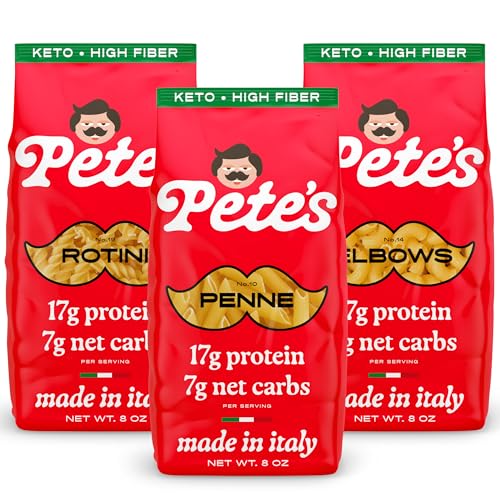
Product overview: This 3-pack includes penne, rotini, and elbow macaroni made from organic durum wheat semolina in Italy. Each noodle aims for a balanced 7g net carbs and 17g protein per serving. The pasta is slow-dried for an al dente bite, with claims of higher protein, lower calories, and more fiber than traditional pasta.
Best for: Traditional pasta lovers who want a variety pack for weeknight dishes while keeping carbs in check. Suitable for households that crave authentic Italian taste without sacrificing protein goals.
Why selected: It combines familiar shapes with a real Italian process, offering consistent texture and a credible low-carb profile across multiple shapes. The added protein and fiber are practical for adding fullness to meals.
Caution or limitation: Claims of “85% fewer carbs” and multiple nutritional benefits should be interpreted in context with a serving size and overall daily intake. True texture and flavor depend on cooking time and sauce pairing.
Carbe Diem!, Penne – Lower Net Carb Pasta

Product overview: A penne pasta with 8g protein and 55% fewer net carbs per serving, delivering about 110 calories. The formula uses durum wheat and modified starch boosted by vital wheat gluten to maintain flavor while lowering net carbs.
Best for: Pasta enthusiasts who want reduced net carbs without sacrificing the traditional pasta experience. Ideal for people who need a clear carb limit while still enjoying textured pasta in sauces.
Why selected: The product emphasizes a straightforward, traditional ingredient list and a familiar al dente texture, making it a clear choice for carb-conscious cooks seeking dependable flavor and mouthfeel.
Caution or limitation: Net carb reduction varies by serving size and cooking method; it’s important to stick to the recommended portions to maintain the low-carb goal.
Carbe Diem!, Spaghetti – Lower Net Carb Pasta

Product overview: Spaghetti with 8g protein and 55% fewer net carbs per serving, delivering about 110 calories. It preserves traditional spaghetti texture while reducing carbs and calories with a similar three-ingredient approach as the penne variant.
Best for: Those who want a classic pasta shape with lower net carbs and steady texture for meat sauces or light olive oil dishes.
Why selected: It aligns with the same low-carb principles as the penne variant, ensuring consistency across Carbe Diem!’s line and offering a familiar shape for family meals.
Caution or limitation: Some users may notice subtle differences in bite compared with conventional wheat pasta; cooking time guidance is essential to avoid mushy texture.
Kaizen Fusilli Protein Pasta
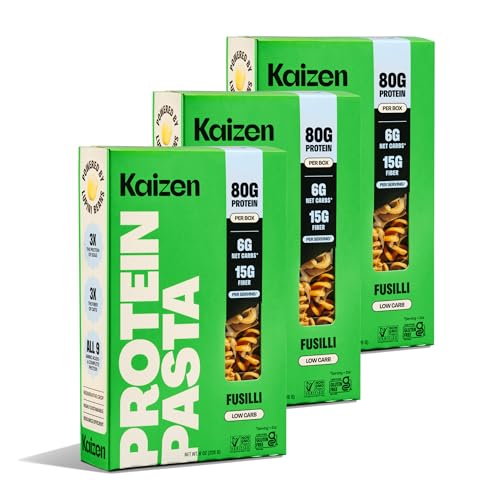
Product overview: A gluten-free, plant-based fusilli made from lupini beans, boasting approximately 20g protein and 6g net carbs per serving. The pasta markets itself as a bean-forward, low-carb alternative to traditional wheat noodles.
Best for: Plant-based eaters and those seeking higher protein content without grains. Also attractive to gluten-free diets and those chasing substantial fiber benefits.
Why selected: Kaizen emphasizes an innovative bean-based approach with a clean ingredient list and enhanced protein, offering a distinct option from wheat-based pastas.
Caution or limitation: Lupini-based pastas can have a firmer bite or different mouthfeel compared with traditional semolina pasta; cooking times may differ from standard pasta shapes.
Brami Italian Protein Pasta Variety Pack

Product overview: A Molise-made high protein pasta pack featuring lupini bean-enriched recipes. The variety pack offers a blend that is higher in protein and fiber, with notably fewer net carbs per serving than standard pasta.
Best for: Health-conscious diners who want a traditional Italian flavor with enhanced protein and fiber content. Suitable for those who value a shorter ingredient list and authentic Italian craftsmanship.
Why selected: Brami highlights a short, clean ingredient approach with lupini bean protein, providing a robust protein boost in a simple, natural formula.
Caution or limitation: Lupini bean flavors may be more pronounced; some sauces may require adaptation to account for slight differences in texture and bite compared with durum wheat pasta.
Buying Guide: Key Considerations For Choosing Low-Carb High-Protein Pasta
- Where the protein comes from: Plant-based options (like lupini beans) provide different textures and allergen profiles than whey or gluten-containing pasta. Decide whether you prefer animal, plant, or mixed sources.
- Net carbs per serving: Compare serving sizes and definitions of net carbs (fiber and sugar alcohols may be treated differently by brands). Align with your daily carb budget.
- Texture and al dente bite: Gluten-containing versus gluten-free pastas can vary in mouthfeel. Consider whether you want a chewy bite or a firmer, al dente texture.
- Flavor and ingredients: Look for simple ingredient lists. Fewer additives often mean a closer taste to traditional pasta, which matters for sauce pairing and overall satisfaction.
- Serving versatility: Some products come in multi-shape packs; these are convenient for a variety of meals, from pasta salads to hot dinners.
- Cooking instructions: Net carb claims can depend on exact cooking time. Follow package directions to preserve texture and nutritional targets.
- Allergen considerations: Check for gluten, soy, or nut ingredients if you have dietary restrictions or sensitivities.
FAQ: Quick Answers For Low-Carb High-Protein Pasta
- What defines “low carb” pasta?
Low carb generally means fewer net carbs per serving than traditional pasta, often with higher protein or fiber to help with fullness and glycemic response.
- Do these pastas taste like regular pasta?
Many aim to mimic traditional textures and flavors, especially those made from durum wheat. Plant-based options may have a distinct bite and flavor depending on ingredients.
- Is it okay to freeze these pastas?
Yes, most low-carb pastas can be frozen; thaw and reheat gently to preserve texture. Always check the brand’s storage guidance.
- Which is best for picky eaters?
Variety packs from Pete’s Pasta and Carbe Diem offer familiar shapes and textures, making them a safe bet for households with varied preferences.
- Can I substitute these for regular pasta in my favorite recipes?
Yes, but adjust cooking times and sauce compatibility. Some high-protein pastas hold sauces a bit differently than traditional pasta.
- Are these suitable for keto dieters?
Many options are designed with lowered net carbs and higher protein, aligning with keto goals, but always verify net carbs per serving and total daily macros.
Leave a Reply