Best Low Calories Protein Shakes for Quick Nutrition and Satiety
Looking for protein drinks that keep calories in check without sacrificing taste or nutrition? This guide highlights five low-calorie, high-protein shakes ideal for weight management, post-workout recovery, and meal replacement options. Each pick is suited to a specific shopper: busy commuters, keto-friendly dieters, lactose-sensitive consumers, flavor-forward snackers, and those seeking immune-supporting minerals. Below is a quick summary of the top choices to help you compare at a glance.
| Product | Best For | Key Benefit |
|---|---|---|
| Premier Protein Vanilla | Snackers and post-workout | 30g protein, low sugar, immune-supporting vitamins |
| Oikos Chocolate Shake | Shelf-stable daily protein | 30g protein, prebiotic fiber, immune nutrients |
| Ensure Max Protein Milk Chocolate | Muscle health and fullness | 30g protein, 4g fiber, 1g sugar |
| Pure Protein Vanilla | Lactose-tolerant and protein-focused | 30g protein, low sugar, 24 vitamins/minerals |
| Premier Protein Café Latte | Morning caffeine and protein boost | 30g protein, no added sugar, coffee flavor |
Premier Protein Shake Vanilla — 30g Protein

Best for: Busy individuals seeking a satisfying, high-protein option with immune-supporting nutrients. This shake provides 30g of protein to curb hunger, plus 24 vitamins and minerals including antioxidants that support immune health. It’s a convenient post-workout or mid-day snack choice with no added sugar and a creamy vanilla flavor reminiscent of vanilla wafers.
Why chosen: It combines high-quality protein with a balanced micronutrient profile and a flavor that appeals to many taste preferences. The included calcium helps support bone health, and the absence of added sugars aligns with calorie-conscious plans.
Limitations: Some shoppers may prefer lower fat options; this shake has a moderate fat content aligned with its protein and calorie profile. Consider portioning it into a meal or snack window within your daily goals.
Oikos Protein Shake Chocolate — 30g
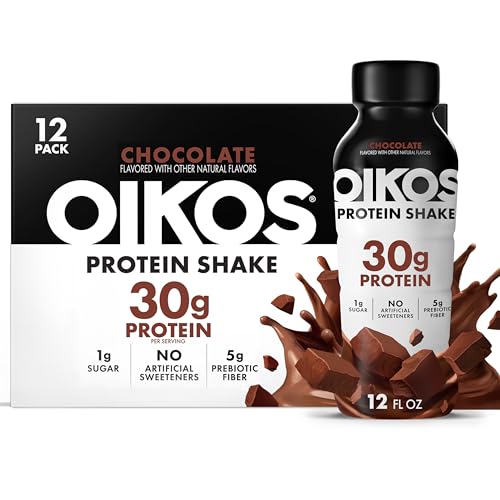
Best for: Flavor-forward shoppers who want a robust chocolate taste with a complete 30g protein per serving and digestive-friendly fiber. This shelf-stable shake is ideal for travel, work, or gym days when refrigeration isn’t always convenient.
Why chosen: The 5g prebiotic fiber supports digestive health, while key vitamins A and D contribute to immune support. It’s a practical daily option that blends taste and nutrition in a single bottle.
Limitations: While flavorful, some may find chocolate flavors too rich for certain drinking occasions; pairing with a light meal can balance appetite control during the day.
Ensure Max Protein Shake Milk Chocolate

Best for: Those prioritizing muscle health with a balanced fiber intake and minimal sugar. This shake is well-suited for individuals managing appetite while aiming to sustain energy across the day.
Why chosen: With 30g protein, 4g fiber, and only 1g sugar, it strikes a favorable balance for people watching both calories and cravings. The blend supports immune and metabolic health through a comprehensive vitamin and mineral profile.
Limitations: Some may prefer dairy-free options; this shake uses dairy-based protein and may not be suitable for lactose-sensitive consumers without checking tolerance.
Pure Protein Vanilla — 30g

Best for: Keto-conscious or lactose-tolerant shoppers who want a complete protein with minimal sugar and calories. It’s a versatile option for shakes, meals, or quick post-workout recovery.
Why chosen: Each serving offers 30g of complete protein with 24 added vitamins and minerals, including zinc for immune support, while keeping calories around the lower end for a protein-focused product. It’s gluten-free and designed for easy digestion with milk protein isolate as a primary source.
Limitations: The texture and flavor profile may be preferred milder by some; consider trying a small serving first if you’re sensitive to lactose or dairy flavors.
Premier Protein Café Latte — 30g

Best for: Morning routines or caffeine-boosted snacking, offering a coffee-flavored protein hit with no added sugar. Ideal for commuters and early risers who want a convenient, ready-to-drink option.
Why chosen: It blends 30g protein with the familiar café latte flavor, providing a familiar taste while supporting daily protein intake. The no-added-sugar formula helps keep calories lower as part of a broader weight-management plan.
Limitations: Flavor is coffee-forward, which may not suit all tastes; for non-coffee days, another fruit- or vanilla-flavored option may be preferable.
Buying Guide: How to Choose the Right Low-Calorie Protein Shake
- Protein per serving: Look for products with at least 20–30g of protein per bottle to support muscle maintenance and satiety.
- Calories and sugar: Aim for shakes around 140–190 calories with 1–4g of sugar for best weight-management alignment.
- Carbohydrates and fiber: Consider shakes with 3–5g fiber or prebiotic content to aid digestion and fullness; check net carbs for keto goals.
- Allergen and dietary needs: Dairy-based vs. lactose-free options; gluten-free or keto-friendly formulations; consider vegetarian or milk-protein isolates if lactose is a concern.
- Immunity and micronutrients: Some shakes include vitamins and minerals (A, C, D, E, zinc, magnesium) that may support immune health alongside protein.
- Flavor and texture: Taste consistency matters for daily use. Vanilla and chocolate flavors tend to be the most versatile for mixing with other foods.
- Convenience: Decide between ready-to-drink bottles or powders (where listed) based on your access to a mixer and storage conditions.
Frequently Asked Questions
- How many calories should a low-calorie protein shake have?
– Typically 140–190 calories per serving is common for low-calorie, high-protein shakes. - Are sugar-free protein shakes better for weight loss?
– They can help reduce daily sugar intake, but total calories and nutrition quality still matter for weight goals. - Is 30g of protein per shake necessary?
– For many active individuals, 25–30g supports muscle recovery; adjust based on body weight and activity level. - Can these shakes replace meals?
– Some shakes are marketed as meal replacements; consider overall daily nutrition goals and consult a dietitian if needed. - Do all high-protein shakes contain dairy?
– Not necessarily; some options are dairy-free or lactose-free. Check labels for dairy content if needed.
Leave a Reply