Best Gochujang and Korean Chili Paste for Every Kitchen
Answering the question: which Korean chili paste is best for your cooking? This guide highlights five top gochujang options that cover a range of heat levels, textures, and uses. It helps home cooks, meal-prep fans, and adventurous cooks choose the right paste for bibimbap, marinades, soups, and stir-fries. Each selection is explained with who it’s ideal for, why it stands out, and a practical caution to consider before buying.
Summary at a glance
| Product | Best For | Best Use | Notes |
|---|---|---|---|
| Gochujang Premium – Medium | Medium heat lovers | Bibimbap, marinades, stews | Balanced sweet-heat |
| Gochujang Premium – Mild | Flavor-first with gentler spice | Everyday meals, dip, noodles | Gluten-free option |
| Sempio Gochujang Mild Heat | Vegan and gentle spice fans | Stir-fries, bibimbap, spreads | Sun-dried traditional ingredients |
| Mekhala Organic HOT | Organic, vegan, gluten-free | Marinades, glazing, sauces | USDA-approved, low sodium |
| CJ Haechandle Hot Pepper Paste | Traditional, classic flavor | Seasoning, sauces, kimchi-style dishes | Umami depth |
Gochujang – Premium Korean Red Chili Paste (Medium)

Brand: Chung Jung One
Key features: Made with care in Korea, deep balanced sweet-spicy flavor from traditional fermentation; versatile for bibimbap, tteokbokki, stir-fries, stews, soups, Korean BBQ, marinades, dipping sauces, noodles, and rice bowls.
Best for: Home cooks who want a robust, restaurant-style gochujang with a clear sweet-spicy profile; great as a base sauce or glaze. This medium option emphasizes balance, making it suitable for both everyday dinners and more complex dishes.
Why chosen: It showcases classic Korean fermentation depth while remaining broadly usable across many recipes, offering reliable flavor without overpowering heat.
Caution: People sensitive to sweetness should balance with savory ingredients to avoid overpowering the dish.
Gochujang Premium – Korean Red Chili Paste (Mild)

Brand: Chung Jung One
Key features: From Sunchang, traditional fermentation methods; gluten-free and HACCP/FSSC 22000 certified; versatile for bibimbap, tteokbokki, marinades, dipping sauces, stews, soups, stir-fries, and Korean BBQ.
Best for: Cooks who want a milder heat with authentic Korean depth and a reliable safety/compliance profile. Great for family meals or spice-sensitive palates.
Why chosen: This option prioritizes safety and authenticity while keeping flavor authentic and approachable for wide audiences.
Caution: Mild heat may be less noticeable in very rich dishes; consider boosting other seasonings if needed.
Sempio Gochujang Mild Heat (1.1 lbs / 500 g)

Brand: Sempio
Key features: Vegan gochujang with mild heat; sun-dried traditional ingredients; halal-certified and Indonesian halal approval; versatile for bibimbap, marinades, dips, stir-fries, and more.
Best for: Vegans and those seeking a gentle kick with authentic fermentation notes; good for sauces and marinating vegetables or tofu.
Why chosen: Combines vegan-friendly ingredients with traditional fermentation, offering a flexible, easy-to-use paste for a variety of dishes.
Caution: Mild heat may require additional flavor boosters in very hearty dishes.
Mekhala Organic Korean Chili Cooking Paste, HOT
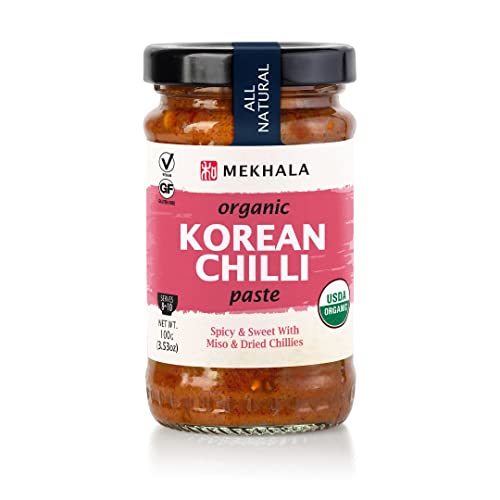
Brand: Mekhala
Key features: Made from natural, organic ingredients; punchy Korean-inspired chili paste with fermented beans and chilies; vegan, gluten-free, non-GMO, low sodium; USDA approved.
Best for: Health-conscious cooks who want an organic, high-purity paste for stir-fries, marinades, and as a condiment with a clear chili-forward flavor.
Why chosen: Offers an organic, clean-label option with strong flavor while aligning with vegan and gluten-free diets.
Caution: Strong chili presence may require balancing with sweeteners or dairy in certain recipes to avoid excessive heat.
CJ Haechandle Hot Pepper Paste (500g)

Brand: CJ
Key features: Traditional Korean fermented chili paste with red peppers; sweet, savory, and spicy with rich umami depth.
Best for: Cooks who want a classic, robust gochujang flavor with strong umami notes for sauces and seasoning dishes.
Why chosen: Represents a traditional flavor profile that complements many Korean dishes and fusion recipes alike.
Caution: May be more savory and deep than some milder pastes; use modestly in delicate dishes to avoid overpowering other ingredients.
Buying Guide
What heat level should I choose?
For beginners or families: mild or medium options provide balanced heat and flavor. For spice lovers: HOT varieties deliver a more pronounced kick. Consider starting with a small amount and adjusting.
Is vegan or gluten-free important for my pantry?
Many gochujang products are vegan and gluten-free, but some use traditional ingredients or processing methods that may contain gluten. If you need strict requirements, choose options explicitly labeled vegan and/or gluten-free, and check certifications like HACCP, FSSC 22000, or halal where relevant.
Which paste is best for both cooking and dipping?
Medium or mild pastes are versatile for cooking, marinades, and sauces. For dipping, blend with sesame oil, lime juice, or sugar to tailor the balance of sweetness and heat.
Which should I pick for authentic Korean flavors?
Options from Korea’s traditional regions (Sunchang, fermented bean blends) emphasize depth and umami. These are ideal when you want the closest to restaurant-style flavors in bibimbap, tteokbokki, and Korean BBQ dishes.
Are organic or premium certifications important?
Organic, non-GMO, and USDA-approved products appeal to health-conscious buyers seeking clean ingredients. Certifications like HACCP, FSSC 22000, and halal can provide additional assurance about manufacturing standards.
What storage considerations matter?
Gochujang typically lasts several months when refrigerated after opening. Keep it in a cool, dry place if unopened, and refrigerate after breaking the seal to maintain flavor and freshness.
How can I compare textures and thickness?
Some pastes are thick and spoonable, while others are smoother or more paste-like. Use thicker pastes for direct glazing and thinner ones for sauces and marinades; adjust viscosity with broths, sesame oil, or sugar as needed.
Practical quick-start tips
- Base a bibimbap with a spoonful of paste mixed into gochujang-based sauces.
- Stir-fry vegetables and tofu with a little paste to build depth.
- Make a simple glaze by whisking paste with sesame oil and honey or sugar.
Frequently Asked Questions
- What is gochujang?
- Is gochujang gluten-free?
- Can I use gochujang in non-Korean recipes?
- How do I store gochujang after opening?
- What’s the difference between hot and mild gochujang?
- Are there organic gochujang options?
Gochujang is a traditional Korean fermented red chili paste that blends heat, sweetness, and savory depth for a wide range of dishes.
Some gochujang varieties are gluten-free; others may contain gluten from ingredients like barley or wheat-based thickeners. Check the label for gluten-free certification.
Yes. It can flavor stews, stews, marinades, sauces, noodles, and even fusion dishes with a distinctive fermented chili note.
Refrigerate after opening. Properly stored, it maintains flavor and texture for an extended period.
Hot varieties have higher chili content and more pronounced heat, while mild versions emphasize sweetness and depth with gentler spice.
Yes. Some brands offer organic, vegan, and non-GMO formulations, often with USDA or equivalent certifications.
Leave a Reply