Best Korean Barley Tea for Everyday Flavor and Clean Caffeine-Free Comfort
Discover five popular Korean barley teas that deliver a smooth, nutty flavor without caffeine. Each option highlights traditional roasting techniques, aroma, and the flexibility to enjoy hot or iced. This guide covers varieties from trusted brands, helping you choose a barley tea that fits your taste, whether you’re seeking rich depth, a light finish, or a nutritious daily ritual.
| Product | Brand | Format | Notes |
|---|---|---|---|
| Damtuh Korean Barley Tea – 50 Tea Bags | Damtuh | Tea Bags | Authentic Korean barley, smooth nutty aroma, hot or cold |
| Dongsuh Roasted Barley Tea | Dongsuh | Tea Bags | Rich, robust flavor, caffeine-free |
| Damtuh Korean Barley Tea – 100 Tea Bags | Damtuh | Tea Bags | Same authentic taste, larger pack for daily use |
| Ssanggye Black Barley Tea | SSANGGYE | Tea Bags | Deep, nutty flavor, no caffeine |
| McCabe Organic Barley Tea | McCabe | Loose/Tea Bag style | USDA organic, mineral-rich |
Damtuh Korean Barley Tea – 50 Bags

Damtuh delivers an authentic Korean barley tea experience with premium roasted barley, known as Boricha in Korea. The blend offers a smooth, nutty aroma that is both comforting and refreshing, aligning with traditional brewing methods. The tea comes in convenient 50-tea-bag packaging, designed for daily tea moments. It’s caffeine-free, making it suitable for any time of day. Enjoy hot for a cozy winter cup or iced for a cooling summertime drink. Each bag is portioned at 1.5g for a balanced brew.
Key features include its authentic herbal profile and a versatility that fits various occasions. The roasted barley contributes a gentle, satisfying finish that pairs well with light honey or a splash of lemon for enhanced flavor without overpowering the barley’s natural notes. For tea lovers seeking a traditional, comforting mugicha-style tea, this option provides a reliable baseline.
Dongsuh Roasted Barley Tea

Dongsuh Barley Tea is recognized across Asia for its toasty, robust flavor. This caffeine-free option supports relaxation moments when you prefer a warm, comforting beverage without the energy boost from caffeine. Suitable for hot or cold preparations, it’s positioned as an everyday ritual that reduces reliance on coffee while offering a satisfying, savory profile. The blend invites a traditional, soothing experience with a deep roasted character that remains approachable for new barley tea drinkers.
In practice, the tea invites a balanced cup with subtle nutty undertones and a lingering smooth finish. It’s a versatile pick for family tea time or solo unwinding. The lack of caffeine makes it suitable for evenings, while the robust aroma can still feel uplifting in the morning without the intensity of caffeinated options.
Damtuh Korean Barley Tea – 100 Bags
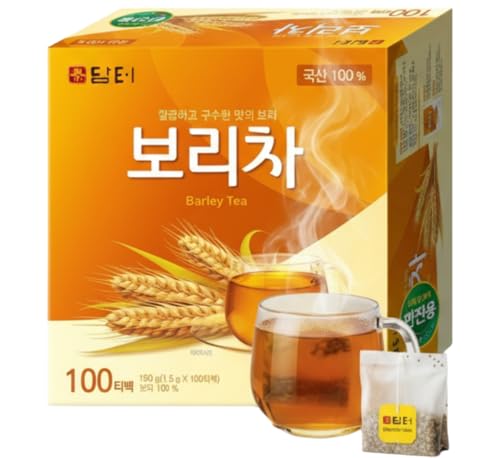
This larger Damtuh offering continues the brand’s authentic Boricha/Mugicha approach with the same smooth, nutty aroma. The roasting level is tuned to deliver a comforting flavor profile that remains friendly to daily consumption. The 100-tea-bag format provides long-term value for households that routinely enjoy barley tea and want a dependable, caffeine-free option for all seasons.
Potential benefits include a reliable, non-acidic tea that’s gentle on the stomach and easy to prepare. The tea is compatible with hot brews and iced preparations, enabling a wide range of beverages—from a simple mug to cold-brewed variations. As with the 50-bag version, it’s crafted to deliver a familiar, timeless taste that aligns with traditional mugicha enjoyers and newcomers alike.
Ssanggye Black Barley Tea

Ssanggye offers a premium take on black barley tea with a deep, nutty flavor and a smooth finish. The blend is caffeine-free and presented in convenient tea bags, designed for an easy, everyday brew. The brand emphasizes a long-standing tradition dating back to 1966, painting a picture of expertise and care in every cup. The result is a tea that stands out for its robust character while remaining approachable for a broad audience.
Key attributes include a rich, authentic profile that can serve as a daily hydration option or a comforting bedtime beverage. The absence of caffeine makes it suitable for late-day enjoyment without disrupting sleep. The packaging uses premium filter paper bags, aimed at preserving freshness and flavor with each brew.
McCabe Organic Barley Tea

McCabe markets an organic barley tea that emphasizes purity and nutrition. The product is USDA and CCOF certified organic, signaling strict adherence to organic farming and processing standards. The tea offers a mineral-rich profile derived from high-quality roasted barley and is gluten-free, aligning with health-conscious consumers who prefer clean ingredients without additives. The packaging highlights a USA-origin product, appealing to buyers seeking domestically produced organic options.
As a beverage, the organic barley tea provides a balanced, mildly sweet flavor with a wholesome aftertaste. Its emphasis on sustainability and organic integrity makes it suitable for daily consumption, whether enjoyed solo or paired with light meals. For those prioritizing organic certifications and transparency in sourcing, this option presents a compelling choice.
Buying Guide: Key Considerations For Choosing Korean Barley Tea
- Flavor intensity and roast level: Barley tea ranges from light, nutty notes to deeper, toasted flavors. Consider whether you prefer a milder, comforting cup or a stronger, more robust profile.
- Brewing format: Tea bags offer convenience and consistent results, while loose-leaf or bulk formats (like McCabe) may suit those who prepare larger batches or value sustainable packaging.
- Texture and mouthfeel: Some teas deliver a smoother, almost creamy finish, while others provide a crisp, dry aftertaste. This can influence whether it’s ideal for iced or hot preparations.
- Health considerations: All listed options are caffeine-free, appealing to evening consumption. For organic or non-GMO preferences, brands like McCabe and FullChea (not in top five) offer certified choices.
- Packaging and value: Larger packs reduce per-cup cost and suit frequent tea drinkers. Consider whether you want single-serve bags or a bulk option for long-term use.
- Origin and tradition: Some brands emphasize long-standing tea-making heritage (e.g., Ssanggye’s 1966 origins), which may appeal to buyers seeking tradition alongside flavor.
Additional Tips For Brewing
- Water temperature: For most barley teas, hot water around 212°F (100°C) works well to release roasted notes without bitterness.
- Steep time: A 4–6 minute steep is typical; adjust to taste for milder or stronger flavors.
- Cold brew: For iced tea, steep longer in cold water (6–8 hours) to emphasize smoothness and cooling qualities.
- Enhancements: A touch of honey, lemon, or a cinnamon stick can subtly elevate the natural sweetness without overpowering the barley.
In summary, the vijf options above provide a spectrum of Korean barley teas from traditional, roasted profiles to organic, American-produced varieties. Each offers caffeine-free enjoyment with approachable flavors suitable for daily routines, family use, or mindful sipping before bed.
Leave a Reply