Best Kombucha at Home Kit for Easy DIY Brew
The best kombucha at home kit saves time, simplifies brewing, and helps you custom-create probiotic drinks. This guide highlights kits ideal for beginners, budget-conscious brewers, and those seeking premium equipment. The top five picks below are selected for reliability, completeness, and clear instructions. Buyer types: beginners should choose starter kits with straightforward steps; hobbyists may prefer larger jars and additional bottles; eco-conscious buyers may want reusable components. A quick summary table helps compare core options at a glance.
| Product | Best For | What’s Included |
|---|---|---|
| The Kombucha Shop Organic Kombucha Starter Kit – 1 Gallon | New brewers seeking a comprehensive, instructor-led start | 1-gallon glass brew jar, top-quality cultures, instruction, pH strips, temp gauge |
| Deluxe Organic Kombucha Starter Kit – Six Swing Top Bottles | Home bottling lovers who want ready-to-bottle capability | Six 16 oz swing-top bottles, stainless funnel, bottle brush, custom strainer |
| Organic SCOBY Kombucha Starter Kit – Urban Kitchen | Quality SCOBY with balanced starter liquid | Organic SCOBY, starter liquid, organic tea and sugar, glass jar |
The Kombucha Shop Organic Kombucha Starter Kit – 1 Gallon
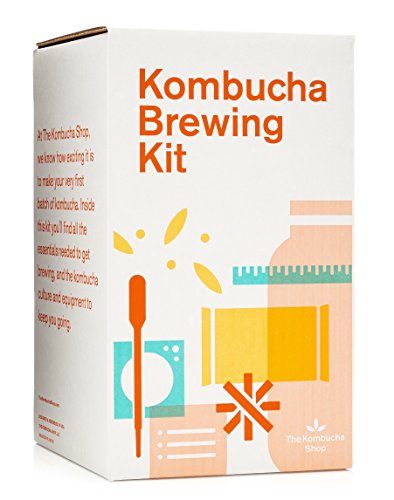
This 1-gallon brewing kit provides everything needed to start kombucha at home. It features high-quality kombucha cultures, essential equipment, and detailed brewing instructions. Best for beginners who want a complete, guided experience and reliable support during fermentation.
- Best for: New brewers seeking a full starter package with robust educational content
- Why selected: Includes expert instruction and durable, US-made components
- Caution: May be more than some want for a first batch; taste and fermentation variables can vary by batch
Deluxe Organic Kombucha Starter Kit
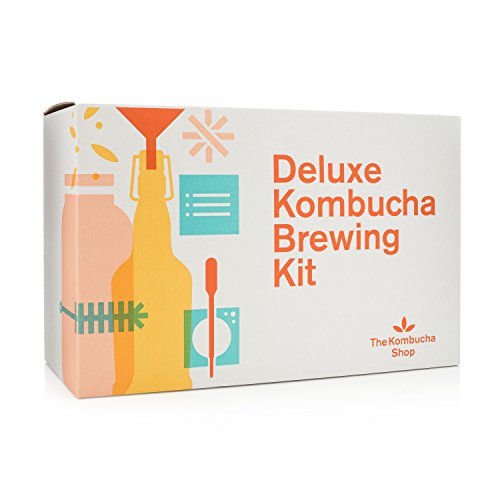
The Deluxe Kit bundles bottling-ready gear with six 16 oz swing-top bottles and a stainless steel funnel and strainer. It’s ideal for those who want to bottle their brews immediately after fermentation and maintain consistent carbonation. Best for: brewers who prioritize simple bottling and clean storage.
- Best for: Bottling-focused brewers looking for a complete, single-purchase package
- Why selected: Includes durable bottles and a dedicated bottling setup
- Caution: Bottles require careful handling to avoid leaks or breakage
Organic SCOBY Kombucha Starter Kit – Urban Kitchen

Urban Kitchen’s Organic SCOBY Starter Kit centers on certified organic SCOBY and starter liquid, paired with a one-gallon glass jar and essential accessories. Best for: those who want a trustworthy SCOBY with consistent fermentation inputs and a straightforward setup.
- Best for: Organic-focused buyers seeking reliable microbial cultures
- Why selected: Strong probiotic potential from certified organic inputs
- Caution: SCOBY size and starter balance are important for optimal fermentation pace
Urban Kitchen Kombucha Starter Kit – Includes Organic SCOBY
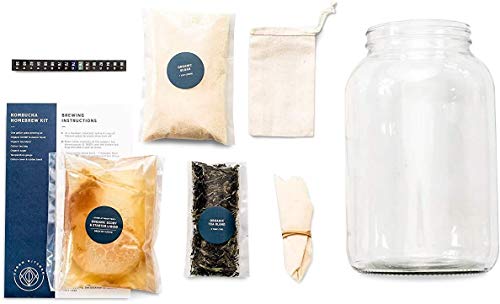
This kit provides an all-in-one solution with an organic SCOBY, starter liquid, a 1-gallon glass jar, and an easy instruction set. Best for: first-time brewers who want a complete, user-friendly setup and ongoing batch capability.
- Best for: Easy-start brewers seeking a balanced kit with quality tea and sugar
- Why selected: Includes essential brewing components and a clear guide
- Caution: Sugar type and tea quality affect flavor; stick to provided components for best results
Kombucha Essentials Kit – Fermentaholics

The Fermentaholics Essentials Kit includes a 1-gallon glass jar with a breathable cover, pH test strips, an adhesive thermometer, and a USDA Organic SCOBY. Best for: budget-conscious buyers who want a solid starter package without extraneous gear.
- Best for: Budget-friendly starters who still want reliable organic components
- Why selected: Core items for fermentation and monitoring are included
- Caution: SCOBY not included in some bundles; verify contents before purchasing
Buying Guide
What should I look for in a kombucha at-home kit?
- Fermentation jar size: Beginners often start with a 1-gallon jar; larger volumes enable more frequent batches.
- SCOBY quality and starter liquid: A strong SCOBY and reliable starter liquid improve batch consistency.
- Monitoring tools: pH strips and a thermometer help maintain safe, steady fermentation.
- Bottling options: If you plan to carbonate in bottles, kits including swing-top bottles or bottling gear are advantageous.
Which kit suits different experience levels?
- Beginner: Comprehensive kits with clear instructions and support
- Casual hobbyist: Kits with reusable glass jars and integrated bottling options
- Organic-focused: Kits featuring USDA Organic SCOBY and organic tea
What are common limitations to watch for?
- Ingredient substitution: Some kits use different sugar or tea blends; flavor may vary.
- Batch reliability: Environmental factors like temperature affect fermentation pace and SCOBY health.
- SCOBY maturity: Very small SCOBYs can lead to slower fermentation; ensure size matches jar volume.
FAQ
- Q: Can I reuse the SCOBY for multiple batches? A: Yes, most SCOBYs can be reused across batches, though health and vigor matter for each ferment.
- Q: Do these kits include the final bottling sugar? A: Many kits provide starter sugar; confirm contents to ensure you have enough for carbonating.
- Q: Is kombucha safe to brew at home? A: Yes, with proper sanitation, clean water, and correct pH management during fermentation.
- Q: What’s the most important factor for a good brew? A: Temperature control and a healthy SCOBY paired with a reliable starter liquid.
- Q: How long does fermentation typically take? A: Primary fermentation often ranges from 7 to 14 days, depending on temperature and taste.
- Q: Are organic kits worth it? A: Organic components support cleaner inputs and may influence flavor and fermentation consistency.
Leave a Reply