Best Japanese Soy Sauce for Sushi: Top Picks for Authentic Umami
The right soy sauce elevates sushi by adding balanced salt, sweetness, and depth. This guide helps buyers pick authentic Japanese soy sauces that pair well with sushi and sashimi. Each product section explains who it’s best for, plus a clear caveat to guide your choice. Ideal for home cooks, sushi enthusiasts, and food lovers seeking traditional craftsmanship.
| Product | Brand |
|---|---|
| Takesan Kishibori Soy Sauce (Original, 12.2 Fl oz) | Kishiborisho |
| Yamasan Kyoto Uji Double Brewed Soy Sauce | Yamasan Kyoto Uji |
| Japanese Sushi Sauce by Shirakiku | Shirakiku |
| Yamaroku Shoyu Artisan Barrel Aged 4 Year | Yamaroku |
| Kioke Reserve Shoyu Soy Sauce | Kioke Reserve |
Takesan Kishibori Soy Sauce — A Classic, Naturally Brewed

Best for traditional sushi fans who value a rich, aged profile. Kishibori Soy Sauce is naturally brewed for over a year in cedar vats, pressed directly from the mash. Its deep umami comes from the long fermentation and wooden barrel aging, delivering a robust, glossy finish ideal for sushi rice and dipping sauces. This soy sauce is best for those seeking a depth of flavor that mirrors artisanal brews from Shodoshima.
Best use: finishing soy for nigiri, dipping sauces for premium sashimi, and adding a subtle, resinous sweetness to rolls. Caution: the flavor is strong; use sparingly with delicate nigiri to avoid overpowering the fish.
Yamasa Kyoto Uji Double Brewed Soy Sauce

Best for sushi lovers pursuing maximal umami and a luxurious mouthfeel. This double-brewed soy sauce uses double the ingredients and aging time to deliver a deep, complex flavor that enhances sushi rice and bold-tish toppings. Aged over 1000 days, it’s ideal for chefs seeking a refined, premium sauce with a velvety texture. Best for: standout sushi preparation and dressing sashimi plates.
Caution: the richness may be overpowering in very light or subtle dishes; pair with richer fish or stronger toppings to balance.
Japanese Sushi Sauce By Shirakiku
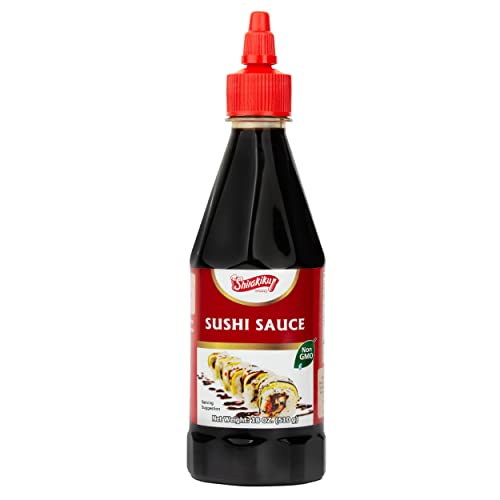
Best for convenience without sacrificing flavor. Shirakiku’s sushi sauce, commonly called eel sauce, is thicker and richer than traditional soy, making it ideal for drizzling over sushi rolls and rice bowls. It’s a restaurant-quality sauce that also works well as a glaze for grilled proteins. Best for: sushi shops at home, rolls with a glossy finish, and quick flavor boosts.
Caution: labeled as eel sauce style rather than pure soy, so it delivers a sweeter profile. Not a direct soy substitute when flavor balance matters.
Yamaroku Shoyu Tsuru Bishio — Four Year Aged

Best for the purist who wants traditional brewing. Aged 4 years in Kioke wooden barrels using a classic, simple ingredient list, Tsuru Bishio delivers a clean, deeply layered umami with natural sweetness. It’s perfect for sushi, sashimi, and dipping sauces, lending a refined finish to roasted vegetables or grilled seafood. Best for: chefs seeking authentic barrel-aged flavor notes and a soft, lingering finish.
Limitation: larger bottle format may be more than needed for casual use; consider smaller sizes for first testing.
YAMASAN KYOTO UJI Artisanal Classic Dark Soy Sauce

Best for chefs who want a balanced, artisanal profile. This koikuchi shoyu is handcrafted and naturally brewed for over 500 days, resulting in a deep umami, rich aroma, and smooth finish. It blends well with marinades, noodles, and grilled proteins while maintaining a refined background for sushi rice. Best for: traditional Japanese cooking and sauces that require a nuanced soy flavor.
Caution: aging adds depth; use judiciously in delicate nigiri to avoid masking the fish’s natural flavors.
Kioke Reserve Shoyu — Cedar Barrel Aged 4 oz

Best for experimental kitchens and gifts for soy sauce connoisseurs. This small-batch batch is aged in cedar Kioke barrels, delivering a smooth, aromatic character with Edo-era craftsmanship. It’s a nuanced option for dipping or finishing sushi plates, ramen, or teriyaki sauces. Best for: collectors or cooks seeking a cedar-forward aroma and a refined finish. Caution: limited quantity; plan usage to avoid waste.
Buying Guide: Key Considerations For Sushi-Grade Soy Sauce
- Fermentation Style: Naturally brewed (traditionally aged) vs. quick-fermented. Naturally brewed options typically offer richer umami and complexity, better for sushi pairing.
- Aging Time: Longer aging (years) usually yields deeper character and smoother finish. Shorter-aged sauces can be sharper and saltier.
- Origin And Craft: Barrel aging in cedar or Kioke vessels often adds unique aroma and texture; traditional methods reflect deeper flavor profiles.
- Ingredient List: Look for soybeans, wheat, salt, and water as core ingredients. Additives can alter aroma and finish; simpler is often preferable for sushi.
- Application: For nigiri and sashimi, prefer balanced, not overpowering soy with mild sweetness. For rolls and sauces, deeper umami can enhance rice and fillings.
- Texture And Color: Clear to dark amber sauces behave differently with rice absorption. A thicker consistency coats nigiri better and provides a glossy finish.
FAQ
- What makes Japanese soy sauce different from other soy sauces?
Answer: Traditional Japanese soy sauces often involve longer fermentation and barrel aging, delivering richer umami and smoother finishes ideal for sushi. - Is double-brewed soy sauce better for sushi?
Answer: It can provide a stronger umami and deeper color, which some sushi styles benefit from, but may overpower delicate fish if used too much. - Should I use eel sauce instead of soy sauce on sushi?
Answer: Eel sauce (sweetened) is a different flavor profile; use it for specific toppings or drizzle for a glaze, not as a direct soy substitute. - How do I choose between aged and non-aged soy sauces?
Answer: Choose aged soy sauces for a richer, more complex flavor and smoother finish; non-aged options are often saltier and brighter. - Can I cook with these soy sauces beyond sushi?
Answer: Yes. They work well in marinades, glazes, and dipping sauces, but adjust salt levels to avoid overpowering dishes.
Leave a Reply