Best Instant Coconut Milk Powder Options for Easy Dairy-Free Creaminess
Instant coconut milk powder is a convenient, shelf-stable alternative for dairy-free creaminess in coffee, smoothies, baking, and cooking. This guide highlights top picks suitable for different needs, from pure organic powders to creamer-style blends. Ideal buyers include vegan cooks, keto-friendly dieters, lactose-intolerant consumers, and home bakers seeking long-lasting pantry staples. Below is a quick summary of five standout products to compare at a glance.
| Product | Best For | Notes |
|---|---|---|
| NOW Foods Organic Coconut Milk Powder | Everyday use, dairy-free baking | Rich, creamy flavor; long shelf life |
| KOS Organic Coconut Milk Powder | Coffee creamer, smoothies | Sugar-free option; shelf-stable |
| Anthony’s Organic Coconut Milk Powder | Gluten-free, vegan baking | Batch-tested gluten-free |
| Lavendium Coconut Milk Powder | General cooking and beverages | Everyday-use, carefully sourced |
| Micro Ingredients Organic Coconut Milk Powder | Coffee, tea, smoothies | Keto-friendly; non-GMO |
NOW Foods Organic Coconut Milk Powder – 12 Oz

Best for: everyday dairy-free cooking and baking with a creamy finish. NOW Foods delivers a rich, creamy taste drawn from fresh organic coconuts, spray-dried and blended with organic plant-based ingredients for easy dissolution in hot water or coffee. This powder is ideal for sauces, desserts, and beverages where dairy milk is to be avoided but a full-bodied mouthfeel is desired. It has a longer shelf life than liquid coconut milk and does not require refrigeration, which helps reduce waste and spoilage. A potential limitation is possible clumping if stored in cold or humid environments; stir well to re-dissolve.
KOS Organic Coconut Milk Powder – 12.6 Oz
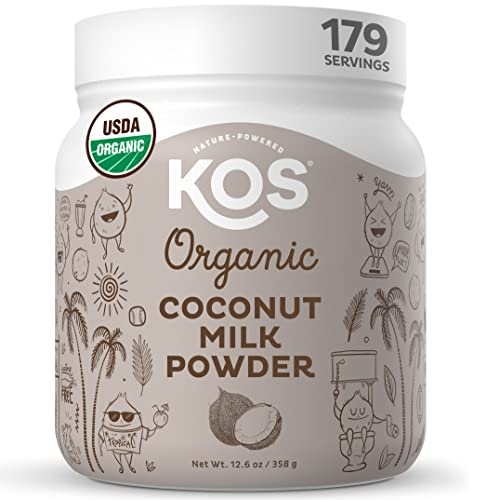
Best for: dairy-free coffee creamer and smoothies with a clean, coconut-forward flavor. KOS offers a sugar-free or low-sugar option suitable for keto, paleo, or vegan diets, with a focus on shelf-stability. It’s described as a versatile powder that can replace coconut milk in recipes and beverages. Note that it may naturally clump in cooler storage; using a spoon or frother helps achieve a smooth blend.
Anthony’s Organic Coconut Milk Powder – 1 lb

Best for: gluten-free and dairy-free baking or as a vegan creamer alternative. Anthony’s states the powder is organic and gluten-free, with no added sugars. This makes it appealing for those following strict gluten-free or keto-friendly protocols. A limitation to consider is the absence of detailed flavor notes on the label; expect a classic, mild coconut profile that blends well into most recipes.
Lavendium Coconut Milk Powder – 20 Oz

Best for: everyday cooking and beverages in a dairy-free format. Lavendium emphasizes careful sourcing and controlled processing to deliver a consistent flavor, texture, and quality. The powder is ready for smoothies, curries, soups, baked goods, and drinks. A potential caution is that the flavor may be milder for some palates; adjusting quantity can help achieve desired richness.
Micro Ingredients Organic Coconut Milk Powder – 2 Lb

Best for: bulk powder users and keto-friendly cooks who want a versatile plant-based creamer. Micro Ingredients offers a larger size, non-GMO and gluten-free properties, and claims of easy mixing with a rich, creamy texture. It’s suitable for coffee, tea, and smoothies. A caveat is the potential to clump if not fully dissolved; a frother or whisk can help achieve a smooth finish.
Buying Guide: Key Considerations For Coconut Milk Powder
- Form and flavor: Do you want pure coconut milk flavor or a creamer-style blend? Some powders are more concentrated, while others add a lighter, dairy-free foam texture. Choose based on your cooking or beverage needs.
- Organic and non-GMO status: If you prioritize organic ingredients, verify certifications and batch-tested claims. This is especially important for baking and long-term pantry storage.
- Allergen considerations: Look for dairy-free, gluten-free, and soy-free labeling if you have dietary sensitivities. Some products can be naturally free from these allergens.
- Texture and solubility: Powders vary in clumping tendencies. Some heat-friendly dissolving occurs in hot water or with a frother; others blend easily into cold drinks with agitation.
- Shelf life and storage: Powdered coconut milk typically lasts longer than liquids. Store in a cool, dry place to minimize clumping and preserve flavor.
- Serving versatility: Consider whether you need a powder for coffee creamer, smoothies, baking, soups, or desserts. Some products are marketed specifically for coffee, while others promote broad culinary use.
- Size and economy: Bulk sizes are cost-effective for frequent users, but ensure you will use the product before it loses quality. Larger containers also reduce packaging waste.
Frequently Asked Questions
- What is coconut milk powder best used for?
Use it as a dairy-free creamer, a base for curries and soups, or as a substitute in baking and beverages. It dissolves in hot liquids and blends into smoothies and coffee. - Can coconut milk powder replace coconut milk in recipes?
Yes, but you may need to adjust water ratios to achieve the same consistency as canned or carton coconut milk. - Is organic coconut milk powder always dairy-free?
Most organic coconut milk powders are dairy-free, but always check the ingredient list for cross-contact or additives if you have severe dairy allergies. - Does coconut milk powder clump?
Clumping can occur, especially in cooler or drier storage. Warming briefly or using a frother helps dissolve lumps. - Which coconut milk powder is best for keto?
Powders marketed as sugar-free or low-sugar and naturally lactose-free suit keto plans; confirm carbohydrate content per serving on the label. - Is there a notable flavor difference among brands?
Flavor intensity varies by brand and finish—some emphasize a richer coconut profile, while others aim for a neutral, creamier mouthfeel.
Leave a Reply