Best Herbal Teas for Nausea During Pregnancy
When seeking relief from morning sickness, the best option is caffeine-free, soothing herbal tea blends crafted for pregnancy. This guide highlights five effective choices, explaining who each tea is best for, why it works, and any potential considerations. Use this overview to compare flavors, ingredients, and intended benefits, so you can choose confidently.
| Product | Best For |
|---|---|
| Lansinoh + HotTea Mama Morning Rescue | First-trimester nausea relief, gentle stomach comfort |
| Jade Tea First Bloom Organic First Trimester Tea | Early-pregnancy digestive support with nutrient focus |
| Traditional Medicinals Organic Pregnancy Tea | Comprehensive herbal blend for prenatal wellness |
| Earth Mama Organic Ginger Nausea Tea | Ginger-based relief for occasional nausea |
| Pink Stork Organic Morning Sickness Tea | Simple ginger + rooibos for ongoing queasiness |
Lansinoh + HotTea Mama Morning Rescue
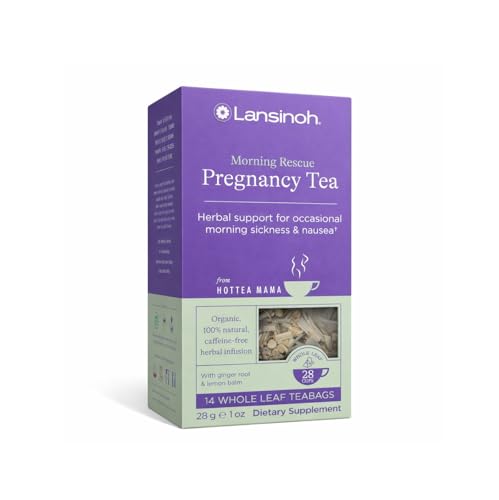
Type: Caffeine-free herbal tea. Key ingredients include lemon balm, lemon verbena, mint, lemongrass, and root ginger. This blend targets nausea relief while remaining gentle on the stomach. Best for pregnant readers seeking a soothing, all-natural option without caffeine or sugar.
Who it’s best for: Expectant mothers in early to mid-pregnancy experiencing morning sickness who prefer a mild, citrus-ginger flavor profile. Also suitable for those avoiding caffeine and wanting a sugar-free option.
Why selected: The blend combines several nausea-relief herbs with ginger to support digestion, offering a comforting routine without added sweeteners or stimulants. The whole-leaf approach aims to deliver a gentle, steady infusion.
Caution/limitation: Some individuals may be sensitive to lemon balm or ginger; start with a small cup to assess tolerance. Ginger can interact with certain medications in high doses, so consult a clinician if you have concerns.
Jade Tea First Bloom Organic First Trimester Tea

Type: Caffeine-free prenatal tea. Focused on early-pregnancy needs with targeted digestion support and nutrient-building potential. Ginger root and peppermint leaf provide soothing relief without strong uterine tonics.
Who it’s best for: Women in the first trimester who want a phase-specific ritual that addresses nausea while also supporting early maternal nutrition. Ideal for those who want a targeted blend rather than a generic prenatal tea.
Why selected: Designed to balance digestive comfort with early pregnancy nourishment, this tea emphasizes gentle relief during implantation and early growth phases.
Caution/limitation: It may be milder in flavor; those seeking stronger nausea relief might prefer additional ginger-forward blends. Verify ingredient tolerance if you have peppermint sensitivity.
Traditional Medicinals Organic Pregnancy Tea

Type: Caffeine-free herbal tea with raspberry leaf and spearmint. Certified organic, non-GMO, and kosher. The blend is designed to support overall prenatal wellness with high-quality herbs sourced through ethical partnerships.
Who it’s best for: Expectant mothers looking for a traditional, widely available prenatal tea with a gentle, minty-citrus note and a focus on consistent quality. Suitable for those who prefer organic ingredients.
Why selected: This tea balances traditional herbs often recommended for pregnancy with a refreshing flavor, making it a steady daily option for nausea management and hydration.
Caution/limitation: Raspberry leaf is traditionally associated with later-pregnancy labor preparation; in early pregnancy, use as part of a varied routine and follow medical guidance on timing and quantity.
Earth Mama Organic Ginger Nausea Tea

Type: Ginger-forward herbal tea with chamomile, lemon balm, mint, and orange twist. USDA organic, vegan, non-GMO, and decaffeinated. This blend emphasizes soothing stomach comfort with a bright, refreshing flavor.
Who it’s best for: Pregnant readers who respond well to ginger and want a cold- or hot-brewable option. Great for daytime sipping to reduce queasiness and support hydration.
Why selected: Ginger is a well-supported natural option for nausea relief in pregnancy, and the additional calming herbs enhance overall stomach comfort without caffeine.
Caution/limitation: Ginger can affect some individuals in higher amounts; start with a modest serving and monitor tolerance, especially if there are known sensitivities to ginger or citrus notes.
Buying Guide
What to look for in nausea-relief teas during pregnancy
- All-natural, caffeine-free blends are typically preferred to avoid stimulants but still offer comfort and hydration.
- Ginger content is a common and effective nausea-relief ingredient; balance with milder herbs like peppermint or lemon balm if sensitivity exists.
- Organic certification or transparent sourcing can indicate higher-quality ingredients and safer farming practices.
- Flavor profile matters: choose flavors you enjoy, as daily consumption improves adherence and hydration.
- Flavor and strength vary by brand; start with a milder blend and scale up if needed.
How to choose by pregnancy stage
- First trimester: Look for gentle, phase-specific blends that address nausea without strong uterine-tonic ingredients.
- Mid to late pregnancy: Consider teas with lactation-friendly or labor-prep notes if advised by your healthcare provider.
- Any stage: Avoid blends with artificial sweeteners or added caffeine unless medically approved.
Practical tips for using herbal teas safely
- Start with one cup per day and monitor how you feel before increasing usage.
- Check with a healthcare professional if you have underlying conditions or take medications that might interact with herbs like ginger.
- Keep hydrated with plain water in addition to tea to maintain overall fluid intake.
- Store teas in a cool, dry place to preserve freshness and potency of herbal blends.
What to compare between brands
- Herb balance: how much ginger, lemon balm, peppermint, or spearmint is included and the overall nausea-relief emphasis.
- Flavor and aroma: citrusy, minty, or ginger-forward profiles affect daily enjoyment and adherence.
- Certifications: organic, non-GMO, kosher, and ethical sourcing signals reliability.
- Packaging and ease of use: sachets vs. loose-leaf, number of servings per box, and storage needs.
FAQ
- Is caffeine-free tea always safe during pregnancy?
– Most caffeine-free teas labeled for pregnancy are considered safe for many individuals, but consult your healthcare provider if you have specific medical concerns. - Can ginger tea help with all types of pregnancy nausea?
– Ginger is commonly helpful for many nausea symptoms, but effectiveness varies. Start with small amounts and adjust as tolerated. - Are raspberry leaf teas recommended for early pregnancy?
– Raspberry leaf is traditionally used more in late pregnancy preparation; consult a clinician for timing and amount. - Should I drink tea hot or iced for nausea relief?
– Both can be soothing; choose the temperature you prefer to encourage regular hydration throughout the day. - What if I have a sensitivity to peppermint or citrus?
– Avoid blends with those ingredients and select milder formulas, or try a blend with gentler, non-citrus herbs. - Are these teas safe with prenatal vitamins?
– Generally yes, but check with a healthcare provider if you are taking multiple herbal ingredients or have specific interactions to consider.
Leave a Reply