Best Herbal Tea for Gas: Calm Digestion Naturally
Digestive discomfort from gas and bloating is a common concern, and selecting the right herbal tea can support gentle relief. This guide highlights five highly relevant options featuring carminative herbs like peppermint, chamomile, fennel, and coriander, plus gut-soothing blends designed for sensitive digestion. Learn what to look for, how to brew for best results, and how these teas compare across flavors and traditional use.
| Product | Key Benefit | Brand |
|---|---|---|
| Traditional Medicinals Organic Peppermint Tea | Soothe belly and ease occasional gas | Traditional Medicinals |
| Traditional Medicinals Organic Gas Relief Chamomile Mint | Relieves gas and bloating with a minty profile | Traditional Medicinals |
| Traditional Medicinals Organic Gas Relief | Herbal gas-relief blend for digestion | Traditional Medicinals |
| Digestive Tea – Leaky Gut Blend (AutoimmuniTea) | Supports gut comfort and overall digestion | Autoimmuni-Tea |
| IBS Digestive Tea (Herb Man Teas) | Carminative herbs for hypersensitive digestion | Herb Man Teas |
Peppermint Tea For Digestive Comfort

Traditional Medicinals Organic Peppermint Tea is a caffeine-free herbal option designed to ease occasional gas and bloating. The peppermint leaves produce a refreshing aroma and minty flavor that many find soothing after a heavy meal. The organic cultivation from the Pacific Northwest aligns with expectations for high-quality, essential oil-rich leaves. This tea is kosher and non-GMO, making it accessible for a wide range of dietary preferences. For digestion, peppermint is a classic carminative herb that can help relax the muscles of the gastrointestinal tract and support natural gas relief. Brewing guidance is straightforward: steep one teabag in hot water for several minutes to release the oils and aroma.
Gas Relief Chamomile Mint Herbal Tea
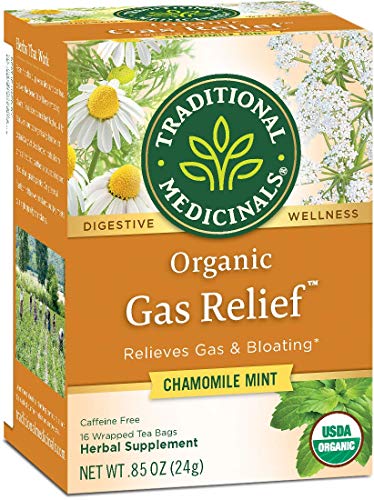
This Traditional Medicinals chamomile-mint blend targets gas and bloating with a soothing, aromatic profile. The blend combines chamomile’s gentle calming properties with mint’s cooling effect, yielding a flavor combination that’s both comforting and refreshing. The product emphasizes a long-standing herbal tradition of carminatives—supporting digestion through herbs with historical use. As with peppermint, the tea is caffeine-free and suitable for daily consumption. For best results, steep a bag in hot water for a few minutes and enjoy slowly to maximize the aroma and soothing notes.
Gas Relief Digestive Tea (16 Bags)
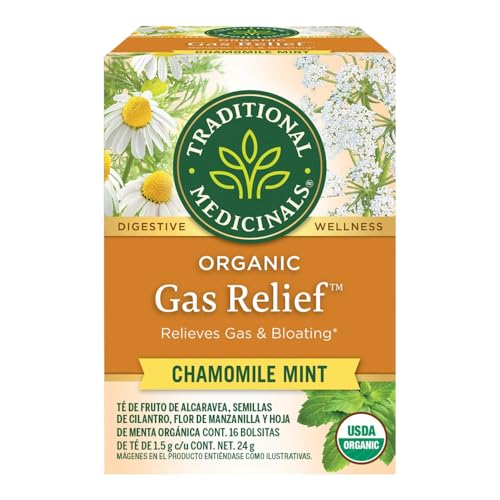
Traditional Medicinals Organic Gas Relief offers a traditional carminative blend designed to relieve gas and bloating. This tea emphasizes a herbal powerhouse approach, relying on a mixture of gas-relieving herbs that have supported digestion for centuries. The packaging indicates a 16-bag format, which provides convenient, ready-to-use portions for regular practice. Brewing guidance is straightforward: steep a teabag in hot water for several minutes and savor the aromatic profile that accompanies a calm digestive routine.
Leaky Gut Digestive Tea Blend

AutoimmuniTea’s Digestive Tea focuses on gut support with organic marshmallow root, licorice root, cinnamon, and chamomile. Marketed toward leaky gut and IBS-like symptoms, this blend aims to soothe the digestive tract and reduce gas and bloating. It is USDA Organic certified, caffeine-free, non-GMO, vegan, and gluten-free, with plastic-free sachets. The formula emphasizes calming herbs that support relaxation and digestion, offering a gentle alternative for those who seek an herbal route to digestive comfort without stimulants.
IBS Digestive Tea For Sensitive Digestion

Herb Man Teas presents an IBS Digestive Tea designed for sensitive stomachs, including those with leaky gut, IBS, gas, or bloating. This blend prioritizes carminatives such as fennel, cumin, and coriander seeds—herbs traditionally used to calm cramping and ease gas. The mix is crafted to be gentle enough for children and the elderly, while still offering digestive support. It highlights the balance between soothing warmth and digestive efficiency, seeking to reduce abdominal pressure after meals. Brewing directions typically involve a standard steep in hot water to extract the flavors and active compounds.
Buying Guide: How To Choose The Best Herbal Tea For Gas
When selecting an herbal tea for gas and bloating, consider these factors to ensure you get relief aligned with your needs.
- Active herbs: Look for carminatives such as peppermint, fennel, cumin, coriander, and chamomile. These herbs have historically aided digestion and gas relief. A blend that combines multiple carminatives may offer broader support for gas associated with various foods.
- Sensitivity and tolerance: If you have a particularly sensitive stomach, start with milder blends (like peppermint or chamomile mint) and monitor tolerance. For those with IBS or leaky gut concerns, blends that explicitly target gut health may be preferable.
- Caffeine and other stimulants: Most gas-relief teas are caffeine-free, which helps prevent additional stomach irritation. This is especially important for late-day consumption to avoid sleep disruption.
- Dietary and lifestyle compatibility: If you follow dietary restrictions (vegan, gluten-free, non-GMO, organic), check the product labeling to ensure compatibility. Some blends are also designed to be AIP-friendly or use plastic-free packaging.
- Intended use: Some teas focus on general digestion, while others emphasize specific issues like leaky gut or IBS. Choose based on your primary symptoms—gas relief, bloating, or post-meal discomfort.
- Brewing guidelines: To maximize essential oil release and flavor, steep times will vary by product. Start with the device’s recommended time and adjust for a stronger aroma if desired; avoid over-steeping which can lead to bitterness for certain herbs.
- Flavor profile: Peppermint and minty blends provide a refreshing, cooling finish, while chamomile-based options deliver a softer, floral profile. Consider your flavor preference to maintain regular, enjoyable consumption.
- Packaging and sustainability: If compostability or recyclable packaging matters, review the product’s sustainability claims. Some brands offer compostable tea bags and plastic-free sachets.
In practice, a programmable approach—rotating among a peppermint-based tea for daily comfort, a chamomile-mint blend for evenings, and a specialty blend for occasional flare-ups—can provide flexible relief without becoming repetitive. Always consult a healthcare professional if you have persistent symptoms, severe gas, or if you suspect a food intolerance or underlying condition.
Leave a Reply