Best Hemp Organic Protein Powder for Clean Plant-Based Nutrition
If you’re seeking a natural, plant-based protein boost, hemp protein powders offer a gluten-free, dairy-free option with a balanced amino acid profile. This guide highlights five top hemp protein powders, explains who each product is best for, and helps you compare texture, flavor, and ingredients. It’s ideal for vegans, active adults, or anyone avoiding dairy or gluten while seeking a sustainable protein source.
| Product | Brand | Best For |
|---|---|---|
| Anthony’s Organic Hemp Seed Protein Powder | Anthony’s | Unflavored, versatile for baking and smoothies |
| 365 by Whole Foods Market Organic Hemp Protein Powder | 365 by Whole Foods Market | Unflavored staple for everyday meals |
| Nutiva Organic Cold-Pressed Raw Hemp Seed Protein Powder | Nutiva | Higher protein per serving, versatile for meals |
| Nutiva Organic Cold-Pressed Raw Hemp Seed Protein Powder (16 oz) | Nutiva | Compact option for trial use or travel |
| Cantein Organic Hemp Protein Powder (Vanilla) | Cantein | Flavored option with clean ingredients |
Notes: The products above are selected for broad appeal to American readers, with clear ingredient lists and unambiguous labeling. This comparison focuses on organic hemp protein powders that are gluten-free and plant-based, designed for sensitive diets, athletes, and everyday protein needs.
Anthony’s Organic Hemp Seed Protein Powder

Features: USDA Certified Organic Hemp Seed Protein, Cold Pressed, Batch Tested and Verified Gluten Free, Unflavored. This powder offers a clean, unflavored profile suitable for baking or adding to smoothies without altering taste. Best for: cooks and athletes who want a reliable, versatile protein source that blends easily into recipes. Caution: Check for cross-contamination if you have severe gluten sensitivity, though it is labeled gluten-free.
365 by Whole Foods Market Organic Hemp Protein Powder

Features: Organic hemp seed protein powder, USDA organic and kosher certified, Non-GMO verified premium supplement. Best for: shoppers who prefer a widely available, neutral-tasting hemp protein to mix into shakes or cereals. Caution: As an unflavored powder, some users may experience a mild earthy taste that differs from flavored proteins.
Nutiva Organic Cold-Pressed Raw Hemp Seed Protein Powder (3 lb)
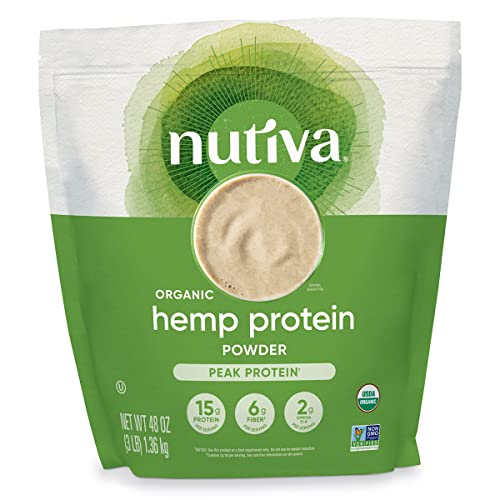
Features: Nutiva organic, cold-processed hemp seed protein; 15 g protein and 6 g fiber per serving; no hexane or added sugar; high in Omega-3 fats and antioxidants. Best for: those seeking higher protein per serving and a strong fiber boost, suitable for vegan, paleo, keto, and gluten-free diets. Caution: The larger 3 lb bag may be more than needed for casual users; store properly to maintain freshness.
Nutiva USDA Organic Cold-Pressed Hemp Seed Protein Powder (3 Pound, Fiber Plus)

Features: Rich in plant protein and fiber with essential minerals; no trans fats or added sugar; designed for Whole30, vegan, and gluten-free lifestyles. Best for: anyone who wants a fiber-rich hemp protein option to support fullness and digestion. Caution: Some users may prefer milder textures; test in small amounts to gauge smoothness in beverages.
Cantein Organic Hemp Protein Powder (Chocolate)

Features: Easily Digested with a low FODMAP profile; organic blend with six natural ingredients; no stevia or artificial sweeteners; sweetened with organic monk fruit. Best for: those who want a flavored option without artificial additives, ideal for keto and low-carb diets. Caution: Chocolate flavor may still be noticeable in very sensitive palettes; opt for vanilla if you prefer lighter taste.
Buying Guide: Hemp Protein Powder Essentials
What should you consider when choosing hemp protein powder?
- Protein content per serving: Most options range from about 11–15 g per serving. If you need a higher protein boost, compare per-serving protein and fiber.
- Flavor and texture: Unflavored powders blend into most foods; flavored options provide taste but may contain sweeteners. Consider how you’ll use the powder—smoothies, baking, or meals.
- Ingredient quality: Look for organic, non-GMO, and cold-pressed processing to preserve nutrients and reduce chemical exposure.
- Allergen considerations: Hemp protein is naturally gluten-free, but verify facility labeling if you have celiac disease or severe gluten intolerance.
- Diet compatibility: Check compatibility with vegan, paleo, keto, Whole30, or other diet plans. Some options emphasize higher fiber or Omega-3 content.
- Container size and storage: Larger sizes offer better value but require proper sealing and cool storage to maintain freshness.
Frequently Asked Questions
- Is hemp protein a complete protein?
– Hemp protein provides all nine essential amino acids but may be lower in one or two compared to animal proteins; pairing with other plant proteins can help balance amino acid intake. - Can hemp protein be used in baking?
– Yes. It works well in smoothies, muffins, and pancakes, but its texture can affect batter; start with substitutions of up to one-quarter of the flour in a recipe to test results. - Is hemp protein suitable for keto or gluten-free diets?
– Most hemp proteins are gluten-free and can fit keto or gluten-free plans, but check carb counts and fiber content per serving to stay within goals. - Do all hemp proteins contain the same nutrients?
– Variations exist in fiber, Omega-3 fats, and edestin content depending on processing; review per-serving nutrition on the product label for precise values. - What is the best hemp protein for sensitive digestion?
– Low FODMAP formulations or products labeled for minimal processing may be gentler on digestion; consider flavor-free or vanilla options to gauge tolerance. - How should hemp protein be stored?
– Store in a cool, dry place, tightly sealed to protect freshness and aroma; avoid exposure to heat and moisture.
Leave a Reply