Best Goat Milk and Hypoallergenic Infant Formulas for 0-12 Months
Finding the right infant formula can be challenging for babies with allergies, sensitive tummies, or specific dietary needs. This guide showcases five top options that are commonly chosen for these concerns. Each product section explains who it’s best for, why it was selected, and practical considerations to help you compare quickly.
Buyer profiles you’ll often see: parents seeking hypoallergenic options for CMPA (cow’s milk protein allergy); families preferring goat milk-based formulas for easier digestion; and caregivers looking for formulas with added DHA, prebiotics, or iron to support early brain and gut health. The following table summarizes the five highlighted products to consider at a glance.
| Product | Best For | Key Benefit | Notable Consideration |
|---|---|---|---|
| Extensive HA Hypoallergenic Formula | Infants with CMPA | Hypoallergenic; probiotic B. lactis for digestive health | Designed for very sensitive infants; verify tolerance |
| Bubs Whole Goat Milk Formula | Digestive comfort; 0-12 months | Whole goat milk base; no GMOs; DHA/ARA | Goat milk may differ from cow’s milk expectations |
| Kabrita Goat Milk-Based Infant Formula | Gentle digestion; 0-12 months | A2 goat milk with easy digestion and Clean Label | Goat milk-based, not cow’s milk—taste/texture may vary |
| Mama Bear Infant Formula | Full nutrition; 0-12 months | Iron-fortified; DHA and choline for brain development | Non-GMO; check iron needs for your baby |
| Kabrita Goat Milk-Based Infant Formula Powder (Pack of 6) | Bulk goat milk option; 0-12 months | Gentle digestion; multiple packs reduce reordering | Bulk size may be more than needed for some infants |
Extensive HA® Hypoallergenic Infant Formula with Iron, DHA & Probiotics

Best for babies with cow’s milk protein allergy (CMPA) who need a hypoallergenic option. This formula uses 100% whey protein broken down into tiny pieces and is ultra-filtered to reduce allergenicity. It also includes a probiotic (B. lactis) to support digestive health, aligning with breast milk–like gut support. Suitable for newborns through the first year, especially when CMPA symptoms are a concern. A potential limitation is that some infants may require longer adjustment time to hypoallergenic formulas.
Bubs Whole Goat Milk Formula with Iron

Best for babies who benefit from goat milk’s gentle digestion in the 0–12 month window. This formula uses whole goat milk and includes DHA/ARA, omega-3 and omega-6 fats, plus prebiotics. It is non-GMO and free from major artificial additives. It’s a strong option for families prioritizing digestive comfort and clean labeling. A limitation to note is that goat milk formulas may not suit every infant’s needs, so watch for any signs of intolerance after starting use.
Kabrita Goat Milk-Based Infant Formula Powder (Gentle Digestion)
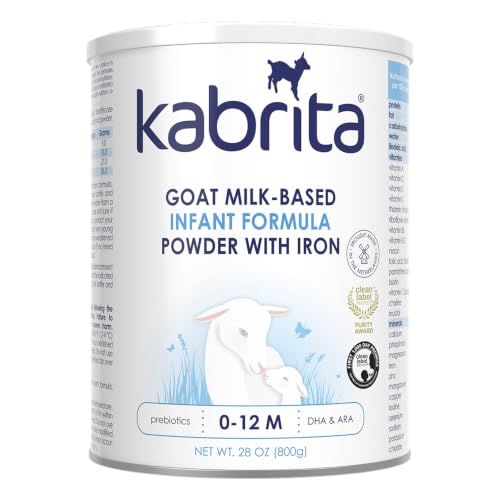
Best for parents seeking a goat milk option with easy digestion due to A2 protein and softer curd formation. Kabrita emphasizes Clean Label Project certifications and avoidance of corn syrup, GMOs, antibiotics, and growth hormones. It’s a good pick when tolerance to dairy is a concern and you want a transparent nutrition profile. Choose this if you prefer a goat milk-based formula that aligns with strict labeling standards.
Kabrita Goat Milk-Based Infant Formula Powder, Pack of 2

Best for households that want a steady supply of goat milk formula with gentle digestion. This pack of 2 emphasizes easy digestion with goat milk’s naturally gentle A2 protein and includes DHA, ARA, and prebiotics. It is designed to be non-GMO with clean labeling. A consideration is that bulk packaging is ideal for regular users but may be more than needed for short-term use or trial periods.
Buying Guide — Key Purchase Considerations
Dietary needs: Determine if CMPA is a concern or if digestive comfort with goat milk is preferred. Hypoallergenic formulas are designed for allergen management, while goat milk options aim for gentle digestion and fewer allergen triggers for some babies.
Protein source and digestibility: Hypoallergenic formulas use extensively hydrolyzed proteins; goat milk options use goat-derived proteins with varying digestibility. Consider A2 protein variants and curd formation when evaluating tolerance.
Added nutrients: Look for DHA, ARA, iron, choline, and prebiotics. These support brain development, immunity, and gut health. Some formulas emphasize probiotic strains similar to breast milk for digestion support.
Label transparency: Clean Label Project certifications and non-GMO claims can be important for families seeking minimal processing and additives. Verify ingredients align with your dietary philosophy.
Feeding plan and supply: If you anticipate long-term use, bulk packs may be cost-effective and reduce reordering frequency. For new users, a smaller trial size can help assess tolerance.
FAQ
- Which formula is best for CMPA? Hypoallergenic formulas like Extensive HA are designed for infants with cow’s milk protein allergy and reduce allergenicity.
- Are goat milk formulas easier to digest? Many families find goat milk formulas gentler on sensitive tummies, but tolerance varies by infant; monitor stools and comfort after starting a new formula.
- What nutrients should I look for? Iron, DHA, ARA, choline, and prebiotics support brain, immunity, and gut health. Probiotics may aid digestion in some babies.
- Do these formulas contain GMOs? Several options advertise non-GMO ingredients and Clean Label certifications, but always check the label for specifics.
- Can I switch between goat milk and cow’s milk formulas? Switching is common but should be done gradually and under pediatric guidance to monitor tolerance and digestion.
- Is bulk packaging better? Bulk packs can be cost-effective and convenient for steady use, but ensure you can consume the quantity within the product’s shelf life.
Leave a Reply