Best Green Tea From Japan for Every Tea Lover
Discover top Japanese green teas that blend rich traditions with modern sourcing. This guide highlights five highly regarded options, spanning from classic Sencha to premium loose leaves. Each choice emphasizes authentic Japanese origin, quality farming, and careful processing to deliver clean, refreshing flavors ideal for daily rituals, iced drinks, or calming breaks. Use the quick reference table below to compare key details at a glance.
| Product | Type | Origin | Format |
|---|---|---|---|
| FGO Organic Sencha | Sencha (Bagged) | Japan | 100 Bags |
| Chaganju Sencha Loose Leaf | Sencha Loose Leaf | Uji, Kyoto | 80 g |
| ITO EN Oi Ocha | Green Tea Bags | Japan | 40 bags |
| Senbird Sencha | Sencha Loose Leaf | Shizuoka | 3.5 oz / 100 g |
| Prince of Peace Premium Japanese Style Green Tea | Green Tea Leaves | Japan | 100 ct |
FGO Organic Sencha Green Tea

FGO’s Organic Sencha focuses on certified organic farming and eco-conscious packaging. The tea is packaged in foil-lined kraft bags, with 100 bags made from Abacá hemp fiber paper. This approach minimizes waste while preserving fresh flavor. The USDA Organic certification signals adherence to strict organic standards, ensuring the tea is free from synthetic additives and grown without harmful chemicals. Expect a clean, grassy-sweet profile typical of high-quality sencha, suited to daily brewing and iced preparations alike.
Key elements include: organic certification, eco-friendly packaging, and a commitment to transparency with a USDA Organic label. The product’s bag design minimizes waste, aligning with green living goals. For readers seeking a reliable, everyday sencha that respects organic farming, FGO offers a straightforward option with consistent quality across batches.
Chaganju Sencha Loose Leaf

Chaganju presents a premium loose-leaf sencha sourced from Uji, Kyoto—an area renowned for its long-standing tea heritage. The blend is certified organic (JONA and JAS), using leaves harvested from a plantation with a 350-year legacy. The result is a traditionally steamed sencha with a balanced sweetness and umami edge, designed to showcase Japanese craftsmanship. This tea is ideal for purists who prefer the depth that loose leaf provides and who enjoy adjusting brew strength to taste.
The packaging highlights small-batch blending and careful selection of Yabukita and Saemidori cultivars. Expect a refined cup with clear mineral notes, a gentle astringency, and a lingering finish. The product is presented as additive-free and non-GMO, aligning with a traditional, health-conscious approach to Japanese green tea.
ITO EN Oi Ocha Green Tea

ITO EN’s Oi Ocha is a well-known staple in Japanese households, offering convenient tea bags that are versatile for hot or iced preparations. The format makes it easy to enjoy a familiar green tea experience without sacrificing quality. The product is labeled as Made in Japan, reinforcing its authenticity and traditional production methods. While not declaring organic status, these bags emphasize consistent flavor, making it a dependable option for everyday consumption and quick refreshment on the go.
Important considerations for this option include the ability to enjoy hot or cold beverages, practical packaging, and a commitment to freshness with production date-based best-by guidance. For readers seeking a reliable, no-fuss Japanese green tea that pairs well with busy routines, Oi Ocha offers a balanced, approachable profile.
Senbird Premium Sencha
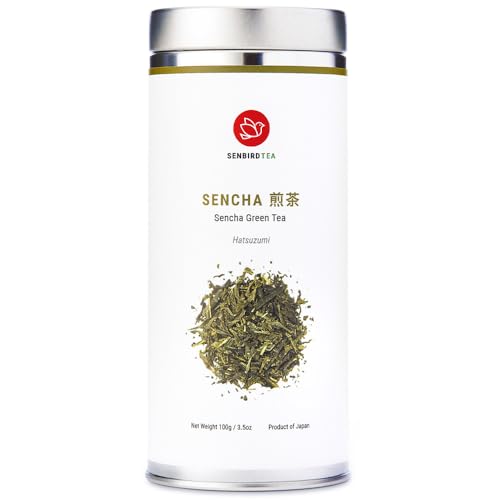
Senbird’s premium sencha comes from Shizuoka, a region famous for producing classic, high-quality Japanese greens. The tea is presented as a carefully crafted loose leaf, with small-batch blending that emphasizes freshness and consistency. The blend leans toward Fukamushi-style processing, which can deliver a deeper, slightly more robust flavor profile with pronounced umami and sweetness. This product is non-GMO and free from artificial additives, pesticides, or fillers, aligning with a clean-label approach.
Users can expect a bright, green cup with balanced astringency and a lingering aroma of fresh tea leaves. The airtight tin helps preserve aroma and flavor for longer storage, making it suitable for tea enthusiasts who want a premium, café-level experience at home.
Prince of Peace Premium Japanese Style Green Tea

Prince of Peace presents a classic Japanese-style green tea blend featuring 100% young Japanese-style leaves. The leaves are steamed, rolled, and dried to preserve natural flavors and aromas. This product is designed to deliver a straightforward, accessible green tea experience with the characteristic brightness and subtle sweetness associated with traditional Japanese processing. It’s a solid option for daily consumption, especially for those who value a clean, classic cup without added flavors or blends.
While not explicitly labeled organic, the tea emphasizes its natural leaf quality and traditional preparation methods. For readers seeking a reliable, everyday Japanese green tea that mirrors familiar cafe-style cups, this option provides a well-balanced, easy-drinking profile that pairs well with meals or afternoon breaks.
Buying Guide: Key Purchase Considerations
- Origin and authenticity: Look for teas sourced from renowned Japanese regions such as Uji (Kyoto), Shizuoka, and Kyushu. Origin labels help ensure traditional cultivation and processing methods.
- Leaf form: Loose leaf teas typically offer deeper flavor control, while teabags provide convenience. Your preference for aroma, strength, and brewing flexibility will guide the choice.
- Processing style: Fukamushi (deep-steamed) sencha tends to be richer and more umami-forward, while kocha or asamushi (light-steamed) can be lighter and grassy. Consider your taste goals.
- Organic and sustainability: If you prioritize organic farming or eco-friendly packaging, confirm USDA Organic certification or clear sustainability claims in the packaging.
- Freshness and packaging: Airtight tins or foil-lined bags help preserve aroma. Check for production or best-by dates to gauge freshness over time.
- Dietary considerations: Many Japanese greens are naturally vegan and gluten-free. Verify any processing details if you have specific dietary needs.
- Brewing guidance: Most Japanese greens benefit from water around 160–176°F (70–80°C) and short steep times. Adjust according to leaf type and personal preference.
- Flavor profile: Sencha offers a balance of sweetness, umami, and light-grass notes. Gyokuro and higher-grade sencha may deliver richer, jade-colored cups with heightened sweetness and complexity.
Leave a Reply