Best Greek Yogurt for Lactose Intolerance: Gentle Options for Everyday Enjoyment
People with lactose intolerance can still enjoy rich, creamy Greek yogurt by choosing lactose-free or easily digestible options. This article highlights five reliable Greek yogurt choices that cater to lactose-sensitive eaters, along with a practical buying guide to help you compare texture, protein, and culture profiles. Whether you crave a protein-packed breakfast, a creamy snack, or a post-workout treat, these picks emphasize accessibility, taste, and digestion-friendly features.
| Product | Format | Key Benefit |
|---|---|---|
| Fage Best Self | 32 oz | Lactose Free, Blended yogurt, Low sugar |
| Green Valley Lactose Free Organic Whole Milk Plain Yogurt | 24 oz | Lactose-free, Organic, Kosher, multiple live cultures |
| Chobani 20g Protein Lowfat Greek | 6.7 oz | Lactose free, High protein, No artificial flavors |
| FAGE Total Greek Yogurt 0% Nonfat Plain | 32 oz | Non-fat, All natural, Non-GMO |
| FAGE Total Greek Yogurt 5% Whole Milk Plain | 32 oz | Whole milk, All natural, Non-GMO |
Fage Best Self

Fage Best Self is labeled as lactose free, making it a strong option for those who need to avoid lactose while still enjoying a creamy Greek yogurt texture. This blended yogurt is designed to be lower in sugar, offering a smoother balance between taste and dietary comfort. Its lactose-free status helps reduce common digestive discomfort and can support steady daily consumption. The product maintains Fage’s signature thickness, delivering a satisfying mouthfeel without sacrificing digestibility.
Green Valley Lactose Free Organic Whole Milk Plain Yogurt

Green Valley’s lactose-free yogurt is certified organic and kosher, offering a dairy option that is gentle on digestion. Its lactose-free formulation, combined with whole milk, yields a rich, velvety texture that mimics traditional Greek yogurt’s creaminess. The yogurt is slowly and gently cultured with 10 live, active cultures, which can support gut health and digestion. This product can be a reliable everyday choice for those seeking a dairy option that respects lactose tolerance while providing a robust protein profile.
Chobani 20g Protein Lowfat Greek Yogurt Vanilla
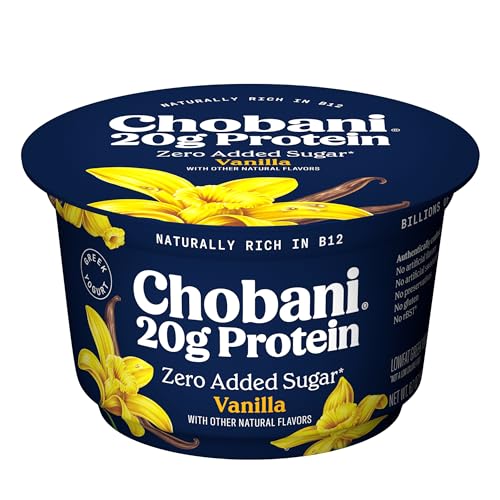
This Chobani yogurt emphasizes high protein with 20 grams per serving, which supports fullness and muscle recovery. It is labeled lactose-free in its product features, aligning with lactose-intolerant needs while delivering a smooth, creamy texture. The vanilla flavor adds a familiar sweetness that can ease transitions from regular dairy to lactose-conscious options. For active individuals or those seeking a protein boost, this option blends taste with digestive comfort.
FAGE Total Greek Yogurt 0% Nonfat Plain

FAGE Total 0% Nonfat Plain offers a classic Greek yogurt experience with a silky, strained texture, while staying non-fat. It’s a versatile option for those monitoring fat intake and seeking a clean, protein-forward base for toppings, smoothies, or cooking. While not explicitly labeled lactose-free, many individuals with mild lactose sensitivity tolerate plain nonfat varieties well, especially when portion sizes are controlled. This product provides a straightforward, no-frills option for everyday use.
FAGE Total Greek Yogurt 5% Whole Milk Plain

This whole-milk variant offers a fuller mouthfeel and a slightly richer taste, characteristic of whole-milk Greek yogurt. It is an all-natural product and is Non-GMO Project Verified. For individuals who can tolerate lactose in small quantities or prefer a creamy, indulgent texture, this option provides a satisfying yogurt experience with robust flavor and texture. As with other dairy products, consider serving size and personal tolerance when incorporating this into a lactose-conscious diet.
Buying Guide: Key Purchase Considerations
- Lactose-free vs. lactose-tolerant: Clearly labeled lactose-free options minimize digestive discomfort for many individuals with lactose intolerance. If a product isn’t labeled lactose-free, test tolerance with small portions and monitor symptoms.
- Protein content: Greek yogurt is known for high protein. If you’re using yogurt as a meal substitute or post-workout snack, a higher protein option (like the Chobani 20g Protein line) can help with satiety and recovery.
- Fat content and texture: Whole-milk varieties tend to be creamier and richer, while nonfat or reduced-fat versions offer lighter textures. Choose based on dietary fat goals and preferred mouthfeel.
- Live cultures and digestion: Yogurts with multiple live cultures can support gut health. Look for labels that mention live and active cultures to maximize potential digestive benefits.
- Organic and certifications: Organic options (e.g., Green Valley) can appeal to those who want organic farming practices and non-GMO ingredients. Kosher and other certifications may be relevant for specific dietary needs.
- Flavor and additives: If you prefer plain yogurt for cooking or smoothies, choose unflavored options or those with minimal artificial additives. For those who enjoy flavor, lactose-free options with natural flavors can be a good balance.
- Container size and practicality: Larger tubs (like 32 oz) are cost-effective for families or regular yogurts while smaller single-serve cups are convenient for on-the-go consumption. Consider your usage pattern to minimize waste.
These selections reflect a range of lactose-friendly and Greek yogurt options designed to suit different taste preferences and dietary needs. When choosing, prioritize lactose-free labeling for strict intolerance, assess protein and fat content for your nutrition goals, and consider how you plan to use the yogurt in meals and snacks.
Leave a Reply