Best Grass Fed Heavy Cream Powder for Keto, Baking, and Coffee
If you’re seeking a shelf-stable, grass-fed heavy cream option, powder cream is a practical solution for cooking, baking, and beverages. This article highlights top picks that emphasize 72% butterfat, USDA organic or grass-fed sourcing, and keto-friendly nutrition. The listed products cater to home bakers, coffee lovers, and meal prep enthusiasts who want a rich creaminess without refrigeration. The top five selections aim to balance flavor, convenience, and dietary preferences, including organic and gluten-free options. A quick product table is provided below for easy comparison.
| Product | Butterfat | Key Benefit | Best For |
|---|---|---|---|
| Healthier Comforts Organic Heavy Cream Powder (7 oz) | 72% | Organic, keto-friendly, easy rehydration | Organic cooks and keto dieters |
| Hoosier Hill Farm Heavy Cream Powder (1 lb) | 72% | Shelf-stable, rich flavor | Everyday pantry use |
| Z Natural Foods Heavy Cream Powder (1 lb) | 72% | Keto-friendly, gluten-free | Low-carb specialties |
| Anthony’s Heavy Cream Powder (1 lb) | 72% | Gluten free, non-GMO, USA-made | Culinary cream replacement |
| Judee’s Gluten Free Heavy Cream Powder (11 oz) | Not specified | Gluten-free, dairy substitute for baking | Gluten-sensitive bakers |
Healthier Comforts Organic Heavy Cream Powder (7 oz)

Best for organic-focused cooks who want a pure cream powder with no fillers. This product holds 72% butterfat and is USDA Organic, Kosher, gluten-free, non-GMO, and keto-friendly. It’s suitable for coffee creamers and baked goods where a rich mouthfeel is desired. Caution: as with any organic product, verify batch labeling if you require strict antibiotic and hormone-free assurances.
- Best for: Organic households, keto dieters, dairy-conscious cooks
- Why selected: High fat content with clean ingredient profile
- Limitation: Availability may vary by region
Z Natural Foods Heavy Cream Powder (1 lb)

Best for those wanting a nutrient-dense, easy-to-use powder that’s keto-friendly and gluten-free. The product emphasizes premium quality and a simple 1:1 powder-to-water rehydration. It’s suitable for beverages, sauces, soups, and baking where a creamy texture is desired. Limitation: some users may prefer a higher fat percentage for certain desserts.
- Best for: Keto followers, gluten-free households
- Why selected: Clear use-case versatility with straightforward rehydration
- Limitation: Texture may vary slightly with water temperature
Anthony’s Heavy Cream Powder (1 lb)
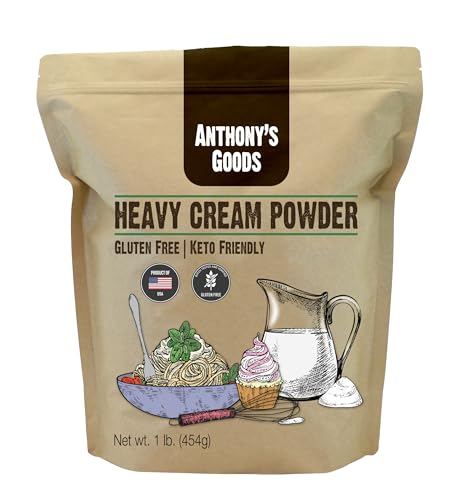
Best for budget-conscious cooks seeking a reliable, gluten-free heavy cream powder made in the USA. Anthony’s powder features 72% butterfat and a favorable mouthfeel for beverages and baked goods. Choose this if you prioritize a straightforward dairy powder with a strong fat profile. Caution: labels emphasize batch testing for gluten-free status; verify packaging for any regional dietary requirements.
- Best for: Budget-minded cooks, USA-made products
- Why selected: Strong fat content and versatile culinary uses
- Limitation: Gluten-free claim hinges on batch testing; cross-contact considerations may apply
Healthier Comforts Heavy Cream Powder (12 oz)
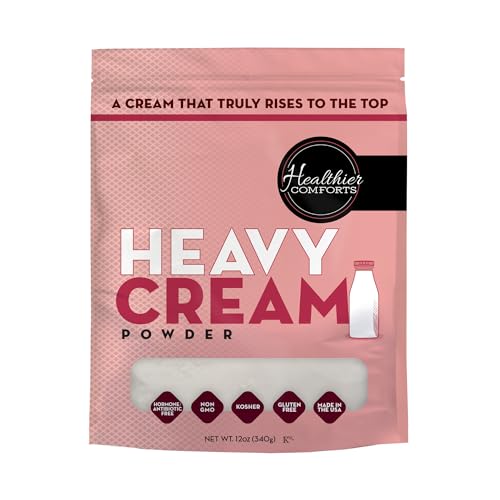
Best for households needing a resealable, long shelf-life option. This heavy cream powder is kosher, gluten-free, non-GMO, and keto-friendly, with 72% butterfat and free of antibiotics and growth hormones. It’s well-suited for rehydrating into liquid cream for coffee, soups, or gravies, and for baking that requires a creamy texture. Limitation: some recipes may need careful measurement to achieve the exact creaminess you expect.
- Best for: Pantry staples with long shelf life
- Why selected: Versatile rehydration and stable storage
- Limitation: Dose adjustments may be needed for dairy-free guests
Buying Guide
What to look for in grass fed heavy cream powder
- Butterfat content: Look for 72% butterfat for a rich, dairy-forward flavor and creaminess in beverages and sauces.
- Source transparency: Prefer products labeled as grass-fed, organic, or US-sourced dairy for perceived quality and sustainability.
- Dietary compatibility: Check for keto-friendly, gluten-free, kosher, and non-GMO claims if relevant to your needs.
- Rehydration method: Most powders rehydrate 1:1 with water. Some products may require warm water for best texture; consider convenience if you’re often in a rush.
- Storage and shelf life: Shelf-stable powders reduce reliance on refrigeration. Look for resealable packaging for long-term pantry use.
Choosing by use case
- Baking and desserts: Favor organic or high-fat powders for rich flavors and stable performance in pastries and frostings.
- Coffee and beverages: A neutral, fine-milled powder with easy rehydration works best to avoid clumping and bitterness.
- Savory sauces and soups: A robust butterfat content provides body and mouthfeel without added moisture.
Potential caveats
- Allergen considerations: Ensure there are no cross-contact risks if you have dairy or gluten sensitivities.
- Flavor variance: Different brands may yield slight flavor or texture differences; test a small batch before large-scale use.
- Label accuracy: Review batch-specific labels for organic, kosher, or non-GMO claims if strict compliance is needed.
Frequently Asked Questions
- What is grass fed heavy cream powder? It is a dehydrated form of heavy cream made from cows typically raised on grass-based diets, delivering high butterfat content and dairy richness in a shelf-stable powder.
- How do you use heavy cream powder? Rehydrate with water according to the product’s 1:1 ratio or as directed by the brand to recreate liquid cream, then use in coffee, sauces, soups, or baking.
- Is heavy cream powder keto-friendly? Many products offer 72% butterfat with low carbohydrate per serving, fitting typical keto guidelines; confirm nutrition facts for each item.
- Can heavy cream powder substitute liquid cream in baking? Yes, it can replace liquid cream in many recipes with proper rehydration, contributing richness and texture.
- Is organic heavy cream powder worth it? Organic options reduce exposure to antibiotics and hormones and may align with organic dietary goals, though price and availability vary.
- What should I consider for gluten-free needs? Look for gluten-free labeling and dedicated facilities if you have celiac disease or gluten intolerance; verify cross-contact information where available.
Leave a Reply