Best Frozen Food Containers for Shipping: Practical Solutions for Safe, Temperature-Controlled Delivery
Answering the demand for reliable cold-chain shipping, this guide highlights practical frozen food containers and insulated shipping boxes designed to keep perishables fresh during transit. The listed options suit small businesses, home-based sellers, and individuals shipping frozen foods, seafood, meat, or temperature-sensitive cosmetics. Below, you’ll find concise product distinctions, who each option is best for, and why these choices stand out for maintaining low temperatures in transit. A summary table follows to help you compare at a glance.
| Product | ||
|---|---|---|
| UNIFAMILY 4 Pack Small Insulated Shipping Box | 8″ x 4″ x 6″ per box | Small-batch deliveries and personal use |
| Convivium 2 Pack Insulated Shipping Boxes | 12″ x 5.5″ x 7.5″ | Small businesses needing duplicate kits |
| Convivium 4 Pack Insulated Shipping Boxes | 12″ x 5.5″ x 7.5″ | Medium-volume shipments |
| IDL Packaging 14″ x 14″ x 14″ Box | 5.8 gallon capacity | Higher-capacity frozen shipments |
| WORLD-BIO Cold Pack Sheets | 13″ x 14″ sheets (6-pack set) | Flexible cooling needs and dry-ice alternatives |
UNIFAMILY 4 Pack Small Insulated Shipping Box

The UNIFAMILY set features a three-layer design: a hard outer carton, an inner insulation bag, and an aluminum foil thermal liner. The foil reflects heat to slow temperature loss, and the high-density liner enhances heat retention. Best for small-batch frozen foods, seafood, meat, and temperature-sensitive items during transport, this kit helps maintain a stable low-temperature environment. It’s ideal for personal shipments or small business orders where quick, simple packaging is valued.
Who it’s best for: buyers shipping small quantities or testing frozen deliveries, hobby sellers, or home cooks who need a ready-to-use solution without assembly. Why chosen: the compact size and included bags provide a straightforward setup with predictable insulation. Limitation: boxes are smaller, so larger items or bulky shipments may require a different kit or additional packaging materials.
Convivium 2 Pack Insulated Shipping Boxes

These 2-pack insulated shipping boxes come with aluminum foil liner bags, designed for both hot and frozen foods. The outer carton uses thick kraft paper, offering cushioning and durability during transit, while the inner insulating layer adds temperature stability. The kit is suitable for small business shipping and home mailing, supporting cold-pack and hot-food shipments. It’s a practical option for businesses that need duplicate shipments without purchasing larger kits.
Who it’s best for: small operations that require a compact, repeatable kit. Why chosen: dual-pack convenience and robust outer construction. Limitation: cold packs or ice packs are not included, so buyers must source cooling materials separately.
Convivium 4 Pack Insulated Shipping Boxes

This kit includes four insulated foam shipping boxes with four matching aluminum foil liner bags. It’s designed for both cold-pack and hot-food deliveries, supporting small business shipping and home mailing. The outer carton is a sturdy kraft paper box with inner insulation for cushioning and temperature maintenance. Choose this if you need a larger, ready-to-use shipment set with consistent packaging.
Who it’s best for: growing home businesses and shippers needing multiple ready-to-ship boxes. Why chosen: higher quantity per purchase with consistent insulation. Limitation: cold packs or ice packs are not included, so additional cooling materials are necessary to maintain subfreezing temperatures for extended durations.
IDL Packaging 14″ x 14″ x 14″ Insulated Shipping Box
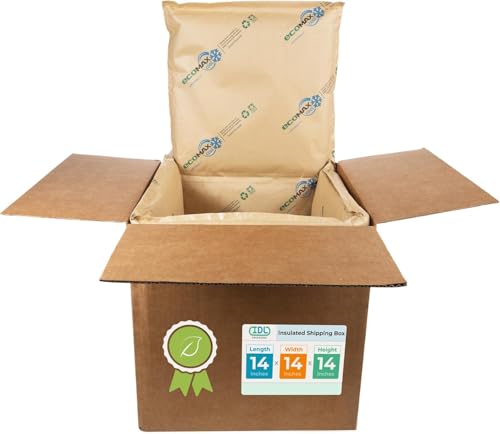
The IDL Packaging box is a USA-made, 14″ cube with a 5.8-gallon internal capacity. It includes EcoMax Thermal-Paper liners, which are 1.5 inches thick and designed to keep content cold for up to 72 hours when used with ice packs. The liner and shell provide microbial and moisture protection, reducing condensation and spoilage risk. This option is well-suited for larger frozen shipments or meat, fish, and other temperature-sensitive products that require longer cold-chain retention.
Who it’s best for: operators needing higher volume or longer cold retention. Why chosen: strong insulation with a paper-based liner and added moisture control. Limitation: designed for larger items, so it may be less efficient for very small shipments or single-item orders.
WORLD-BIO Cold Pack Sheets

These large, flexible ice pack sheets provide reusable cooling without traditional gel packs. Each sheet measures 13″ x 14″ with 24 cells and can be cut to fit a variety of containers. Soak in water, freeze, and place inside insulated packaging to maintain cold temperatures for up to a day. They are non-toxic, food-safe, and easy to reuse, making them a flexible choice for shipments with varied payloads.
Who it’s best for: shippers needing adaptable cooling that can be tailored to different box sizes. Why chosen: long-lasting cold with compact, reusable sheets. Limitation: not a standalone cooling solution; work best when paired with appropriate insulation and packaging materials.
Buying Guide: Key Purchase Considerations
What size and capacity do you actually need?
Assess your typical shipment dimensions and weight. Smaller boxes are easier to handle and cost less per unit, but they limit what you can ship. Larger boxes offer more space but require more cooling and can increase shipping costs. Choose a kit that aligns with your most common product sizes to minimize wasted space and cooling material.
What insulation level is appropriate for your timeline?
Consider how long your items stay in transit. If shipments may take multiple days, opt for boxes with thicker inner liners or boxes designed to retain cold longer. For overnight or 24-hour timelines, lighter insulation may suffice with adequate cold packs.
Do you need cold packs included or separately sourced?
Some sets include liners but no cold packs, while others come with both. If you ship perishable items, ensure you have a reliable plan for cold packs or dry ice and confirm compatibility with your packaging kit.
How important is durability and protection?
Outer carton material and inner cushioning protect contents from compression and impacts during transit. Kraft paper exteriors offer sustainable durability, while foam or foil liners add temperature stability. For fragile items, prioritize kits with stronger outer cores and secure liners.
Is reuse and environmental impact a consideration?
Paper-based outer cartons and reusable foil-liner bags support sustainability. If reducing waste is a priority, prefer systems that reuse materials or are easy to recycle after delivery.
What support materials are necessary besides the box?
Most shipments require cold packs or dry ice, insulation liners, and appropriate labels. Ensure you have a complete supply chain for packaging, cooling, and documentation to avoid delays at transit points.
What are common trade-offs to anticipate?
Trade-offs often involve cost versus performance. Larger, more durable systems tend to be pricier but provide better temperature control for longer durations. Simpler kits are affordable and fast to deploy but may require more frequent replacements and additional cooling materials.
How should you test before committing to a large order?
Run pilot shipments to verify that temperatures remain stable at the destination. Document insulation performance, packing time, and ease of use. Use results to determine whether you should scale up or adjust packaging choices.
What about regulatory and labeling considerations?
Ensure your packaging complies with local regulations for transporting perishable foods. Use proper labeling for cold shipments and include handling instructions where needed to prevent mishandling during transit.
FAQ
- What is the main advantage of insulated shipping boxes for frozen foods? They provide thermal protection to slow temperature loss, helping keep contents cold during transit and reducing spoilage risk.
- Should I buy pre-packaged sets or individual components? Pre-packaged sets offer convenience and consistent compatibility, while individual components let you tailor specifically to your shipment sizes and durations.
- Do these boxes require assembly? Most options are designed for minimal setup; some include liners and bags that fit directly inside the box.
- What is a practical approach for mixed shipments (hot and frozen items)? Use multi-tier packaging: a sturdy outer box, an insulating liner, and appropriate cold packs to manage distinct temperature needs inside separate sections.
- How can I optimize shipping cost while maintaining cold integrity? Match box size to the typical payload, minimize air gaps, and use efficient cooling materials. Pilot tests help identify cost-effective configurations.
- Are these solutions reusable? Many boxes and foil-liner bags are reusable for multiple shipments, depending on wear and tear. Recyclability varies by material and local programs.
Leave a Reply