Best Foods for Pugs to Support Health, Skin, and Digestion
Pugs have distinctive needs, from compact jaws to sensitive digestion and a glossy coat. This guide highlights top dog foods and treats suited for purebred pugs, including puppy nutrition and adult formulas. Explore options that support healthy weight, skin, immune development, and small-breed eating habits. The selections below are informed by breed-specific nutrition, ingredients, and digestibility.
| Product | Brand | Type | Notes |
|---|---|---|---|
| Royal Canin Breed Health Nutrition Pug Adult Dry Dog Food | ROYAL CANIN | Dry Food (Adult) | Short muzzle kibble; skin support with EPA/DHA |
| Royal Canin Breed Health Nutrition Pug Puppy Dry Dog Food | ROYAL CANIN | Dry Food (Puppy) | Small kibble; immune-support antioxidants |
| Healthy Breeds Pug Jerky Bites Chicken & Rice | Healthy Breeds | Dog Treats | Organic, non-GMO, chicken first |
| Nature’s Recipe Grain Free Small Breed Dry Food | Nature’s Recipe | Dry Food (Small Breed) | Grain-free, chicken as first ingredient |
| Optimeal Small Breed Dry Dog Food | Optimeal | Dry Food (Small Breed) | Fresh lamb, high protein, digestive support |
Royal Canin Pug Adult Dry Dog Food
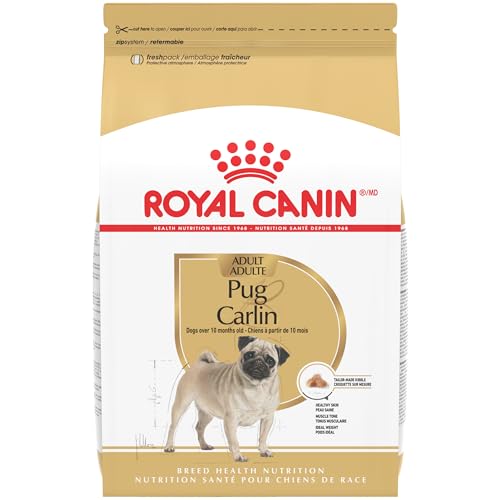
Royal Canin Pug Adult Dry Dog Food is tailored for purebred pugs aged 10 months and older. It features a crunchy cloverleaf kibble designed for a pug’s short, square muzzle, aiding easy chewing and dental care. The formula also focuses on skin health, incorporating EPA and DHA from fish oil to support coat condition and overall skin wellness. This option aligns with breed-specific nutritional needs, delivering a durable, small-breed friendly bite for daily meals.
Royal Canin Pug Puppy Dry Dog Food

Royal Canin Pug Puppy Dry Dog Food is designed for purebred Pugs from 8 weeks to 10 months. The kibble is specially shaped to aid small dogs in gripping and chewing. This puppy formula includes an antioxidant complex, including vitamin E, to support developing immune systems. Early-life nutrition helps address growth milestones and support routine socialization with a breed-focused balance of protein and fats.
Healthy Breeds Pug Jerky Bites Chicken & Rice

These Pug Jerky Bites are USDA Organic and Non-GMO verified, with organic chicken as the main ingredient and no wheat, corn, or soy. They are bite-sized and designed for training, produced in small batches to maintain freshness and safety. While treats should be given in moderation, these bites align with clean ingredient standards for dogs with sensitive stomachs or small mouths.
Natural Balance Limited Ingredient Small Breed Salmon

Natural Balance Limited Ingredient Small Breed Adult Grain-Free Dry Dog Food uses salmon as the first animal protein source, with sweet potatoes to provide fiber in a grain-free formula. It is crafted with sensitive pets in mind and features a single animal protein source to reduce potential allergens. The smaller kibble supports easy eating for compact jaws while delivering balanced nutrition for small breeds.
Optimeal Small Breed Lamb & Rice

Optimeal Small Breed Dry Dog Food features fresh lamb as the first ingredient to provide highly digestible protein and a flavorful meal for small dogs. The formula emphasizes high energy needs and balanced nutrition, with wholesome grains aiding energy levels. It also highlights digestive support through a blend of ingredients designed to promote healthy gut function, making it a versatile option for active small breeds like Pugs.
Buying Guide
- Life stage and breed focus: Pugs require small-breed formulas with appropriate kibble size and digestible proteins. Puppy and adult options should align with the dog’s age, weight, and activity level.
- Kibble style and texture: Kibble shape and hardness can affect chewing ease for brachycephalic (flat-faced) breeds. Look for designs that accommodate a Pug’s muzzle and bite pattern.
- Digestive health: Ingredients such as high-quality protein sources, prebiotics (FOS), and easily digestible carbs support gut health. Grain-free options may benefit sensitive stomachs, but consult a vet for a tailored plan.
- Skin and coat support: EPA/DHA from fish oil and other fatty acids help maintain coat shine and skin condition, which are common concerns in Pugs.
- Allergen considerations: Some Pugs have food sensitivities. Limited-ingredient formulas with a single protein source can reduce exposure to potential allergens.
- Weight management: Small breeds often have higher daily energy needs but lower calorie intake per meal. Choose formulations with controlled calories or explicitly designed weight-management options if needed.
- Treats vs. meals: Treats should complement meals, not replace them. Choose treats with simple ingredient lists and avoid high-calorie options that may contribute to weight gain.
- Brand reliability: Choose brands with breed-specific lines or established reputations for purity, safety, and veterinary-backed nutrition.
- Allergens and contaminants: Check for recalls, certifications (AAFCO statements), and ensure the product is appropriate for small breeds and the dog’s life stage.
- Transition strategy: When switching foods, do so gradually over 7–14 days to minimize stomach upset and adjust to new ingredients.
Leave a Reply