Best Food Gift Ideas for Stroke Patients That Help With Mealtime and Daily Living
When shopping for stroke recovery and care, the best gifts support independence, safety, and daily routines. This guide focuses on practical, ready-to-use items that aid one-handed use, reinforce safe eating, and stimulate cognitive engagement. The top picks are suited for caregivers, family members, or friends seeking thoughtful, functional gifts for adults. Below you’ll find five carefully selected products, each with clear reasons to buy, who they’re best for, and practical cautions where relevant. A quick summary table follows the introduction for fast comparison.
| Product | Best For | Why It Stands Out |
|---|---|---|
| Adaptive One Handed Cutting Board With 10 Spikes | One-handed cooks, stroke patients | Stable surface, spikes hold food, raised rear fence reduces spills |
| One-Handed Gadget To Secure Any Item | Anyone with weak or injured hands | Portable, easy to use, secures jars, cans, and bottles |
| Food Plates Guard Parkinson Patients Scooping Food | Elderly or disabled eaters | Plate guard prevents spills, fits standard plates, promotes independence |
| 2 Pcs 15”x 11” Nonverbal Communication Board | Nonverbal patients & stroke survivors | Large, durable, easy-to-clean communication aids |
| Brain Games – Word Searches Large Print | Cognitive maintaining activities | Large print, progressive challenges, keeps minds active |
Adaptive One Handed Cutting Board With 10 Spikes

Brand: SENDAR
Best for: One-handed cooks and stroke survivors who need a stable surface for cutting without dropping food. The 10 stainless steel spikes securely hold items in place, simplifying slicing and peeling with one hand. A raised rear fence helps prevent spills, making cleanup easier.
Why selected: This board targets a common daily challenge—food prep with limited hand use—by combining stability, secure food retention, and spill prevention in a single, compact tool. It supports safer, more confident meal preparation for one-handed users.
Limitations: The spikes may require careful use with very slippery foods; users should balance speed with control to avoid injury. Ensure spike surfaces are cleaned thoroughly after use.
One-Handed Gadget to Secure Any Item

Brand: Cook-Helper
Best for: Individuals with weak or injured hands who need help opening jars, bottles, or mixing in a bowl. The mat-like device provides a sturdy, portable grip that doesn’t require permanent fixtures.
Why selected: It offers a simple, intuitive solution to a frequent daily task—opening containers—without the need for extensive grip strength. It’s versatile for various jar sizes and is easy to clean.
Caution: The effectiveness depends on the container’s lid design. Very tight caps may still require extra leverage or assistance.
Food Plates Guard Parkinson Patients Scooping Food

Brand: EDWERD
Best for: Elderly or disabled eaters who need assistance scooping food onto a utensil and minimizing spills. This guard fits 9″-10″ plates and has hooks to attach securely.
Why selected: By curbing spills and enabling one-handed feeding, this accessory fosters independence at mealtime and reduces caregiver intervention. It’s compatible with common plate sizes, making it a practical addition to most households.
Caution: It relies on correct plate alignment and may require adjustment for nonstandard dishware. Ensure the hooks grip securely on the plate rim.
2 Pcs Nonverbal Communication Board

Brand: H-dog
Best for: Nonverbal stroke patients or adults with speech difficulties who benefit from a portable, durable communication aid. Large format boards support easy declaration of needs and preferences.
Why selected: Aids communication, reducing frustration and enabling quicker expression of needs, which is crucial for care planning and daily activities. Its waterproof surface makes cleaning straightforward in clinical or home settings.
Caution: Readiness to use relies on patient familiarity with symbol-based communication; some users may need initial guidance from caregivers or therapists.
Brain Games – Word Searches Large Print
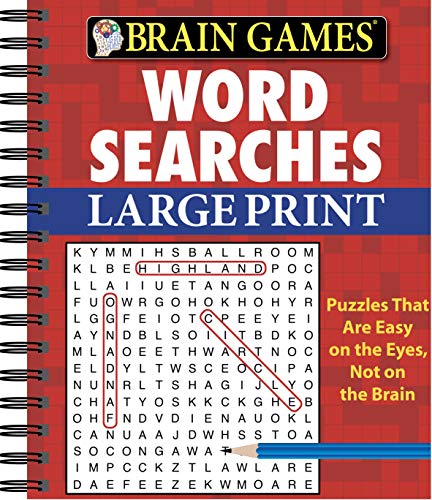
Brand: Publications International, Ltd.
Best for: Stroke survivors and seniors who want cognitive stimulation with an easy-on-the-eyes format. The large print helps reduce visual strain while solving puzzles.
Why selected: Cognitive exercises support brain health and can complement other rehabilitation activities. The book includes a progression of puzzles to adapt to changing abilities.
Caution: Puzzles may become repetitive for advanced users; consider pairing with other activities to maintain engagement over time.
Buying Guide
What to consider when choosing gifts for stroke patients
- Independence vs. assistance: Look for tools that enable one-handed use and minimize caregiver intervention where possible.
- Safety first: Choose items with slip-resistant surfaces, stable bases, and non-toxic materials.
- Practicality: Prioritize everyday items that reduce frustration during meals and daily tasks.
- Durability and ease of cleaning: Materials should tolerate frequent washing and potential exposure to moisture.
- Cognitive and social elements: Include activities that support cognitive engagement and communication.
How to compare similar items
- One-handed usability: Compare grip, stability, and whether tools require minimal force.
- Spill prevention: Evaluate guard or fence features that prevent food loss.
- Communication aids: For nonverbal patients, consider size, symbol sets, and ease of transport.
Who benefits most from these gifts
- Caregivers seeking practical, ready-to-use aids for daily care.
- Stroke survivors aiming to regain independence in meals and simple tasks.
- Family members looking for thoughtful, low-maintenance gifts that provide real value.
Practical setup tips
- Introduce items gradually and provide a quick demonstration to ensure safe use.
- Maintain clean, dry surfaces to maximize the effectiveness of grip aids and cutting boards.
- Pair physical aids with simple, written instructions to help caregivers and the patient remember usage steps.
FAQ
- Q: Are these gifts suitable for all stroke stages? A: They are generally helpful for many stages, especially where regained motor function is limited but evolving. Always consult a clinician if there are concerns about specific needs.
- Q: Can these products be used by people with arthritis? A: Many are designed to reduce grip strength requirements and provide stability, which can benefit arthritis patients as well.
- Q: Do these items require special maintenance? A: Most items are easy to clean with soap and water; follow manufacturer instructions for best results.
- Q: Is one-handed use enough to improve independence? A: Combined with therapy and gradual practice, these tools support daily living tasks and can enhance independence over time.
- Q: How do I choose between cognitive and practical gifts? A: Consider the recipient’s current priorities—daily living tasks vs. mental engagement—and mix both for a well-rounded care plan.
- Q: Are these products covered by warranties? A: Warranty details vary by item and seller; check the product page for specific terms.
Leave a Reply