Best Tilapia Fish Food Options for Healthy Growth and Easy Feed Management
Answering the top question for tilapia keepers: choosing the right pellet or feed can optimize growth, water clarity, and overall health. This guide highlights five practical options for home aquaponics setups, ponds, or hobby farms, with guidance on who each product suits best. The listed products balance protein, fat, and minerals while aiming to minimize water clouding and waste when used as directed. Use the quick comparison table below to narrow your choice before diving into detailed sections.
| Product | Best For | Key Benefit | Approx. Protein |
|---|---|---|---|
| Aquatic Provisions Tilapia Staple Growth Blend | Growing fry to fingerlings | Freshly produced USA-made pellets | 40% |
| Lakeway Tilapia Pro Pack 400 | Structured growth programs | Newly manufactured feed, good for high yield | High protein (typical profile not listed) |
| Lakeway Tilapia Pro Pack 70 | Early growth stages | Accelerated growth for fingerlings and small sizes | Not listed |
| Tilapia Store High Protein Fish Food Pellets | All sizes from fingerlings up | 50% protein for rapid growth | 50% |
| Natural Waterscapes Game Fish Food Variety | Mixed pond needs | Floating pellets suitable for multiple species | High protein |
Aquatic Provisions Tilapia Staple Growth Blend

Format: Floating 3.5mm pellets designed for tilapia and cichlid pond fish. Protein is 40%, with 12% fat and added vitamins and minerals. Freshly produced in the USA, this feed targets steady growth and health. Best for: farmers or hobbyists who want a balanced, USA-made pellet that remains buoyant for surface feeding. Caution: as with all floating feeds, avoid overfeeding to reduce water quality issues.
Lakeway Tilapia Pro Pack 400 Tilapia Food

Format: Pro Pack 400, 4 pounds. Noted as a freshly manufactured tilapia feed, designed to prevent clouding and odors when used correctly in aquaponics systems. It is positioned as professional-grade feed, aimed at higher filet yield during the final growth phase. Best for: operations seeking reliable, new production feed that supports clean water and improved final-size yield. Caution: ensure proper feeding rates to avoid excess waste.
Lakeway Tilapia Pro Pack 70 Tilapia Food

Format: Pro Pack 70 with multiple components, including 300 and 400-grade feeds and algae discs. It’s designed to grow tilapia from fry to about 6 inches, with an emphasis on faster growth. Best for: facilities needing a compact, multi-component feeding program to support quick early-stage growth. Limitation: specifications do not list exact protein percentages, so correlate with observed growth and water quality data.
Tilapia Store High Protein Fish Food Pellets
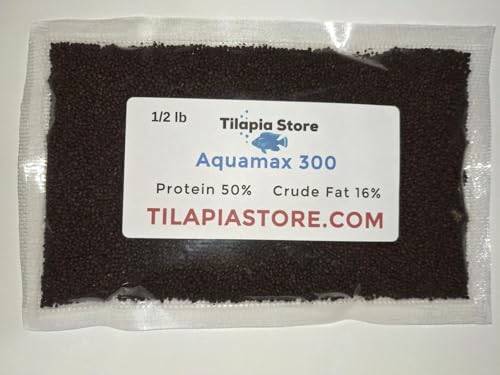
Format: Pellets with 50% protein and 16% crude fat. Marketed for tilapia and other tropical fish, designed as a premium pellet for rapid growth and strong health. Best for: tilapia growers seeking a high-protein option to speed up growth across fingerlings to adults. Caution: the higher protein content may increase waste if feeding is not balanced with water volume and filtration.
Natural Waterscapes Game Fish Food Variety

Format: 22 lb bag of floating pellets designed for sport fish like bass, bluegill, trout, catfish, and tilapia. The blend emphasizes high protein and quality ingredients to support better growth while reducing waste. Best for: ponds hosting mixed species or farmers who want a versatile fish food that covers tilapia alongside other pond fish. Limitation: designed for game fish; tilapia-specific performance should be monitored against other feeds in the same system.
Buying Guide
What matters most in tilapia feed?
Protein level, fat content, and vitamin/mineral balance influence growth rate, feed efficiency, and health. Floating pellets help monitor consumption but require careful portioning to protect water quality. Consider your tilapia size range, water volume, and whether you’re operating an aquaponics system or a traditional pond.
Which feed works best for different growth stages?
Early-stage fry and fingerlings benefit from higher protein and easy-to-eat pellets. As fish grow, a balanced diet with stable fats and minerals supports muscle development and disease resilience. Pellets that offer adjustable feeding rates can simplify transitions between stages.
Water quality and feed compatibility
New or premium feeds that claim minimal clouding are preferable in aquaponics or dense ponds. Always follow feeding guidelines to prevent ammonia buildup, oxygen depletion, or excessive sludge. If you notice cloudy water, adjust portions and frequency before expanding feeding.
Cost, availability, and storage considerations
Choose feeds with reliable freshness and consistent delivery if you operate on a schedule. Vacuum-sealed packaging helps preserve nutrients. Store feeds in a cool, dry place to extend shelf life and maintain pellet integrity.
What to ask before buying
- Is the protein level appropriate for my tilapia size and growth goals?
- Does the feed minimize water quality issues in my system?
- Is the feed formulation suitable for aquaponics or pond-only setups?
- Are ingredients clearly listed and sourced responsibly?
- Can the feed support both fry and adult tilapia without frequent switching?
Quick comparison at a glance
- Best for overall growth and high protein: Tilapia Store High Protein Fish Food Pellets.
- Best value and versatility for ponds with multiple species: Natural Waterscapes Game Fish Food Variety.
- Best for early-stage growth and newly manufactured feed: Lakeway Tilapia Pro Pack 70.
- Best USA-made option for surface-feeding tilapia: Aquatic Provisions Tilapia Staple Growth Blend.
- Best for aquaponics systems seeking a balanced approach: Lakeway Tilapia Pro Pack 400.
FAQ
- Q: How often should I feed tilapia pellets? A: Feed according to growth stage and tank mass; overfeeding increases waste and lowers water quality.
- Q: Are floating pellets better than sinking ones for tilapia? A: Floating pellets help monitor consumption and reduce waste in surface-feeding tilapia; choose based on your system setup.
- Q: Can I mix feeds from different brands? A: It is possible but monitor growth and water quality; abrupt changes should be gradual.
- Q: What should I look for in a tilapia feed label? A: Protein, fat, essential minerals, vitamins, and fresh ingredients; check for clear sourcing.
- Q: Is a higher protein feed always better? A: Not always; balance protein with fat and carbohydrates to match growth stage and water conditions.
- Q: How can I prevent feed from clouding water? A: Use portion-controlled feeding and ensure adequate filtration; choose feeds marketed as aquaculture-friendly.
Leave a Reply