Best Boxer Puppy Food: Top Picks for Healthy Growth and Easy Training
Answering the question for Boxer puppy owners: choose formulas that support lean muscle, robust immune health, and growing joints. The top picks below are tailored for Boxer puppies or large-breed starters, with digestible ingredients and nutrients that support brain development and energy for training sessions. Each product section notes who it’s best for and why it was selected, plus a practical caution. A quick buying guide follows to help you compare protein sources, size, and age suitability at a glance.
| Product | Best For | Key Benefit |
|---|---|---|
| Royal Canin Boxer Puppy | Purebred Boxer puppies | Kibble shape and immune-supporting antioxidants |
| IAMS Proactive Health Large Breed Puppy | Large-breed puppies needing cognitive support | Omega-3 DHA and joint-friendly nutrients |
| Purina Pro Plan High Protein Lamb & Rice | Puppies needing high-protein growth | Real lamb first ingredient and brain development nutrients |
| Purina ONE Plus Healthy Puppy | Active growing puppies seeking digestibility | DHA for brain development and immune support |
| Blue Buffalo Life Protection Formula Chicken Puppy | Balanced daily nutrition for puppies | Real chicken first, DHA and fortified minerals |
ROYAL CANIN Boxer Puppy Dry Dog Food, 30 lb Bag

Features: Formulated for purebred Boxers 8 weeks to 15 months; specialized kibble helps Boxers pick up and chew easily; exclusive antioxidant complex supports immune system development.
Best for: Purebred Boxer puppies needing a breed-specific formula that supports early immune development and chewing comfort. Why selected: Tailored nutrients and kibble design align with Boxer growth patterns.
Caution: Not ideal for non-Boxer breeds or very small breeds due to breed-specific sizing.
IAMS Proactive Health Large Breed Puppy Dry Dog Food

Features: Real chicken as the first ingredient; no fillers or artificial flavors; Omega-3 DHA to support brain development; nutrients for healthy bones and joints.
Best for: Large-breed puppies that need steady growth and cognitive support. Why selected: Balanced profile promotes muscular development and joint health in growing Boxers.
Caution: More generic to large breeds; check portion sizes for smaller Boxer puppies to avoid overfeeding.
Purina Pro Plan High Protein Lamb & Rice

Features: High-protein formula with real lamb as the first ingredient; DHA from fish oil supports brain and vision development; probiotics and antioxidants support digestive and immune health.
Best for: Puppies needing a protein-rich option with cognitive support. Why selected: Emphasizes lean muscle growth and mental development—helpful for Boxers in training.
Caution: Higher protein content may not suit all puppies; monitor energy and stool responses after starting.
Purina ONE Plus Healthy Puppy Dry Food

Features: Real chicken as the first ingredient; DHA for vision and brain development; four antioxidant sources to support immune health; SmartBlend of high-quality ingredients for digestibility.
Best for: Puppies needing a well-rounded daily diet with immune support. Why selected: Emphasizes digestibility and brain development for growing Boxers.
Caution: May be less grain-focused; verify suitability for puppies with grain sensitivities.
Blue Buffalo Life Protection Formula Chicken Puppy Dry Dog Food
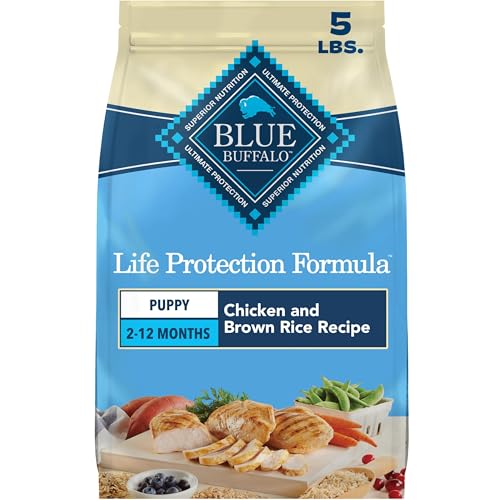
Features: Real chicken first ingredient; DHA and ARA to support cognitive function and retinal health; balanced daily nutrition with premium ingredients and no poultry by-product meals.
Best for: Boxers needing balanced nutrition with fortified minerals for growth. Why selected: A practical, widely available option that supports brain development and muscle growth.
Caution: Some formulas include grains that may vary by batch; check for any changes in ingredient lists.
Buying Guide
Key considerations when choosing food for a Boxer puppy:
- Breed-specific formulas: For purebred Boxers, breed-targeted foods can simplify meeting breed-specific needs like muscle development and immune support.
- Protein quality and source: Look for real meat as the first ingredient and assess the protein level appropriate for growth and activity.
- Bone and joint support: Boxers are active; formulas with calcium, phosphorus, and glucosamine can support joint health as they grow.
- Digestibility: Probiotics and prebiotics, plus easily digestible ingredients, help with stool quality and energy levels.
- Brain and vision nutrients: DHA and other omega fatty acids support cognitive development and sensory skills important for training.
- Feeding guidelines: Age, weight, and activity level affect portions; start with manufacturer guidelines and adjust as needed.
- Allergies and sensitivities: If a Boxer shows signs of grain intolerance or skin issues, consider alternative proteins or grain-free options only with veterinary guidance.
Frequently Asked Questions
- What is the best protein source for a Boxer puppy? Real meat (like chicken or lamb) as the first ingredient is generally favorable, paired with adequate fats for energy.
- Should I choose a breed-specific formula? Breed-specific formulas can help address breed-typical growth patterns, but any high-quality puppy formula that meets AAFCO standards is acceptable.
- How much to feed a Boxer puppy? Use the feeding guidelines on the package as a starting point and adjust based on growth rate and body condition.
- Is grain-free better for Boxers? Grain-free is not universally better; many puppies thrive on balanced grains. Consult a veterinarian if considering a grain-free switch.
- When should I switch from puppy to adult formula? Most Boxers transition around 12 to 15 months, but follow your veterinarian’s guidance based on growth and weight.
- Can I mix brands? Mixing can be done cautiously, but abrupt changes may upset digestion. Introduce new foods gradually over 7–10 days.
Leave a Reply