Best Fine French Red Wines for Savvy Collectors and Dinner Pairings
Looking for a refined French red wine that balances tradition with approachable flavor? This guide highlights five top selections that embody classic French wine regions and styles, tailored for entertaining, aging, or everyday enjoyment. Each choice suits different buyers—from Beaujolais lovers seeking light, fruity profiles to Bordeaux enthusiasts chasing structure and depth. The selections below are accompanied by quick buying notes, helping you decide who each bottle is best for and why. A concise product table at the start summarizes the essentials to compare at a glance.
| Product | Region | Style | Notes |
|---|---|---|---|
| Louis Jadot Beaujolais Gamay | Beaujolais, France | Light-bodied, fruity | Great for everyday dinners and Gamay lovers |
| La Vieille Ferme Rhone Blend | Rhône, France | Fresh, versatile | Best value go-to for crowd-pleasers |
| CRITERION Beaujolais Villages Gamay | Beaujolais, France | Bright fruit, clean acidity | Pairs well with charcuterie |
| Chateau La Grange Clinet Rouge Bordeaux | Bordeaux, France | Structured, savory | For aging and special occasions |
| E. Guigal Côtes du Rhône Rouge | Rhône Valley, France | Complex, generous | Long finish, good for hearty dishes |
Louis Jadot Beaujolais Gamay, Red Wine

Best for: Beaujolais lovers and casual entertaining. This Beaujolais Gamay from Louis Jadot delivers a light, fresh expression influenced by southern Beaujolais soils. The winemaking approach includes “replis,” blending higher-class wines to elevate the blend, offering added value. Extended maceration helps extract color and tannins to sustain a clean, bright palate. Best enjoyed with light dishes such as salads, poultry, and soft cheeses. Caution: avoid expecting heavy tannins or deep dark fruit typical of Bordeaux.
La Vieille Ferme Rhone Blend, Red Wine

Best for: Those seeking a versatile, approachable Rhône blend for everyday meals. The Perrin family aims for terroirs that yield fresh, fruity wines with unpretentious character. Vintage variation means taste may shift slightly year to year. This wine pairs well with grilled vegetables, pasta, and roast poultry. Limitation: the fruit profile may vary with vintage, so flavor notes aren’t guaranteed across bottles.
CRITERION Beaujolais Villages Gamay
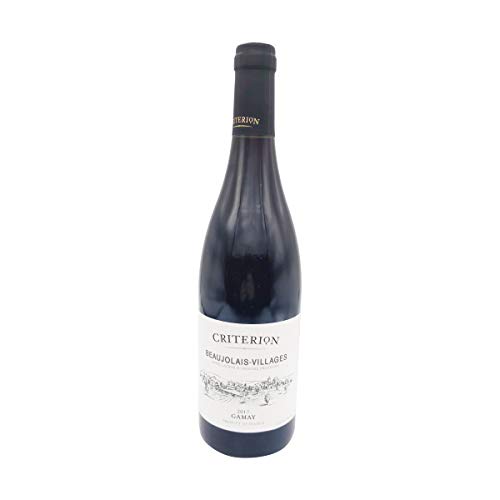
Best for: Beaujolais fans who want a more pronounced village-level expression. Criterion emphasizes juicy strawberry notes with a mix of red and black fruit aromas, balanced by fresh acidity and a lingering finish. This wine shines with charcuterie, Coq au Vin, and Marcona almonds. Caution: as with many Beaujolais, it’s best consumed young to enjoy its vibrant fruit.
Chateau La Grange Clinet, Rouge Bordeaux
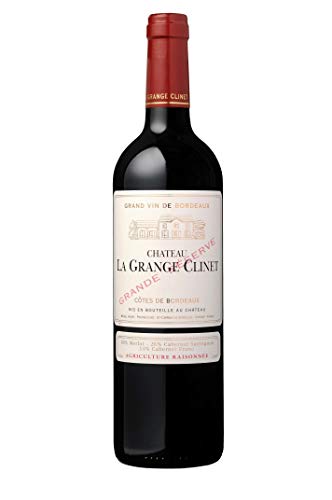
Best for: Bordeaux enthusiasts seeking a structured, savory profile. Located in Côtes de Bordeaux, La Grange Clinet reflects sustainable farming practices and organic inputs. Expect a wine with depth suitable for aging and pairing with red meats, mushrooms, and aged cheeses. Limitation: Bordeaux blends can show more mineral and tannic presence, which may be less approachable for those seeking softer, fruit-forward styles.
E. Guigal Côtes du Rhône Rouge
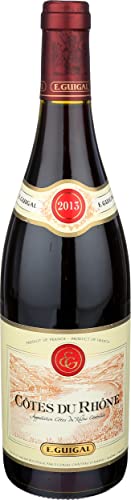
Best for: Those who want a Rhône red with noticeable complexity. Guigal ages its Côtes du Rhône Rouge for 18 months in oak to develop a generous palate. This wine pairs with hearty dishes such as stews, braised meats, and roasted vegetables. Caution: because of oak aging, it may present more tannin structure and a broader profile than lighter Rhône cuvées.
Buying Guide: Choosing The Right Fine French Red Wine
- Region and style: Beaujolais (light and bright) vs. Rhône (versatile to robust) vs. Bordeaux (structured and aging capable). Your dinner menu and preferred tannin level will guide choice.
- Flavor profile and aging: For fresh fruit and low tannin, choose Beaujolais or Rhône blends; for cellaring and complexity, Bordeaux-backed selections can provide longer aging potential.
- Food pairings: Light dishes suit Beaujolais; richer roasts and mushrooms pair well with Bordeaux and mature Rhône blends; versatile Rhône blends work with a wide range of foods.
- Vintage consistency: Some wines vary by vintage, notably regional blends. If consistency matters, monitor vintage notes or seek bottles with a clear profile.
- Price-to-value: Consider whether you prioritize aroma and fruit upfront (Beaujolais) or structure and finish (Bordeaux, Guigal Côtes du Rhône). Look for blends that balance quality with value.
Frequently Asked Questions
- What makes Beaujolais wine distinct from Bordeaux? Beaujolais typically uses Gamay, producing lighter, fruit-forward wines with bright acidity. Bordeaux focuses on blends of Cabernet Sauvignon, Merlot, and others, yielding more tannic, age-worthy wines.
- Is Beaujolais best served young? Yes, especially the standard Beaujolais Nouveau-like styles. Some Beaujolais Villages can age modestly and gain nuance over a few years.
- Can Rhône wines pair with pork or poultry? Yes. Rhône blends, depending on the grape, can pair beautifully with pork chops, duck, and roasted poultry, offering spice and fruit balance.
- Should I decant Côtes du Rhône or Bordeaux wines? Decanting helps oxygenate wine with higher tannins or older bottles, improving aroma release and softening tannins in many red blends.
- Are non-Bordeaux French reds worth trying for beginners? Absolutely. French regions like Beaujolais, Rhône, and Bordeaux each offer distinct profiles that suit different palates and occasions.
Leave a Reply