Best Fertilizer for Cherry Tomatoes: Grow Juicy, Flavorful Berries With the Right Nutrition
Cherry tomatoes demand steady, balanced feeding to develop into plump, flavorful fruits. From soluble mixes to slow-release spikes, the right fertilizer can support vigorous growth, blossom production, and fruit set. This guide highlights five proven options to help American gardeners maximize yields, whether you’re growing in-ground, in containers, or indoors near a sunny window. Each product is evaluated for availability, ease of use, and how it supports cherry tomato varieties.
| Product | Brand | Type | Key Benefit |
|---|---|---|---|
| Miracle-Gro Water Soluble Tomato Plant Food | Miracle-Gro | Water-soluble fertilizer | Fast-acting feed to boost fruit size and yield |
| Espoma Tomato-Tone 3-4-6 | Espoma | Organic granular fertilizer | Long-lasting nutrition with calcium to help prevent blossom end rot |
| Jobe’s Garden Fertilizer Spikes (Tomato) | Jobe’s Organics | Root-zone fertilizer spikes | Slow, steady feeding with less runoff |
| Jobe’s Organics Granular Garden Fertilizer | Jobe’s Organics | Granular fertilizer | Balanced nutrients for high yield and vibrant foliage |
| Farmer’s Secret Tomato Booster Fertilizer | Farmer’s Secret | Concentrated liquid fertilizer | Compact formula delivering strong growth and fruit production |
Note: This table highlights representative products commonly used for cherry tomatoes. Availability and formulation can vary by retailer, season, and region.
Miracle-Gro Water Soluble Tomato Plant Food
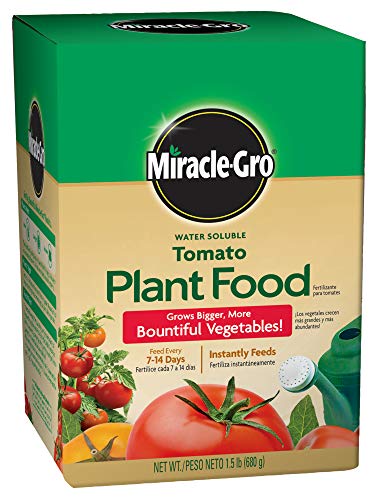
Miracle-Gro’s water-soluble formula provides rapid feeding to accelerate growth and increase yields for tomatoes and vegetables. Its soluble granules mix easily with water, enabling quick application through a watering can or spray bottle. Typical user guidance recommends feeding every 1-2 weeks during the growing season to support steady fruit development. It’s designed to deliver a noticeable boost in size and overall vigor, particularly useful in containers or beds that may experience rapid nutrient depletion from frequent harvesting.
Espoma Tomato-Tone 3-4-6 With 8% Calcium

Espoma Tomato-Tone is an organic, all-purpose fertilizer tailored for tomatoes and vegetables. Its 3-4-6 NPK ratio, combined with 8% calcium, helps promote flowering and fruit set while supporting root and foliage health. The product is designed for minimal environmental impact and is ready to use—no mixing required. For best results, apply every two weeks during the growing season, around the drip line, then water in thoroughly. It’s a long-standing choice for organic gardeners seeking dependable results with cherry tomatoes.
Jobe’s Garden Fertilizer Spikes (Tomato)

Jobe’s Garden Fertilizer Spikes offer a convenient root-zone feeding solution, designed to minimize runoff and mess. The spikes feature a 6-18-6 NPK ratio that feeds below ground where tomato roots actively absorb nutrients. They’re especially helpful for home gardens and container setups where regular foliar feeding isn’t convenient. Apply at planting or early in the season, reapplying as recommended on the package to maintain steady nourishment through fruiting stages.
Jobe’s Organics Granular Garden Fertilizer

This granular, OMRI-listed organic fertilizer from Jobe’s Organics provides a 2-5-3 NPK mix designed for vegetables and tomatoes. Being organic, it fits certifications for home gardens and can be safely used around kids and pets as directed. The product aims to promote high yields with robust foliage while minimizing synthetic inputs. It’s suitable for both in-ground and container setups, supporting steady growth through the growing season with periodic applications as indicated on the label.
Espoma Organic Tomato-Tone 3-4-6 With 8% Calcium
Espoma Tomato-Tone blends natural and organic ingredients with Bio-Tone beneficial microbes, delivering a reliable 3-4-6 analysis enhanced by 8% calcium. This formulation helps prevent blossom end rot, a common issue in cherry tomatoes grown in cooler or inconsistent soils. It’s designed for easy use: apply every two weeks around the drip line and water in well. The product supports both heirloom and hybrid varieties, contributing to plump fruit production and healthy plant growth.
Buying Guide: Key Purchase Considerations and Comparisons
What to consider when choosing a fertilizer for cherry tomatoes:
- Plant stage and feeding frequency: Tomato seedlings and early transplanting may benefit from starter feeds, while fruiting stages require regular, balanced nutrition. Liquid fertilizers tend to act quickly, whereas spikes and granular formulations offer longer intervals between applications.
- Formulation type: Organic options (like Espoma Tomato-Tone and Jobe’s Organics) appeal to organic gardeners and may improve soil biology, while synthetic options (like Miracle-Gro) provide predictable results and faster uptake but may require more careful soil monitoring.
- Calcium content: To prevent blossom end rot, choose fertilizers with calcium or supplement soil calcium. Several products on this list include calcium, which can be important for cherry tomatoes that produce dense fruit clusters.
- Soil compatibility: Container growing benefits from balanced, readily soluble formulas that don’t scorch roots. In-ground beds often tolerate slower-release products as long as they’re applied per label instructions.
- Ease of use: Spikes offer hands-off feeding with minimal runoff, while liquid and granular options require mixing or even a secondary watering step. The best choice depends on your gardening routine and setup (beds, containers, or indoor planters).
- Safety and organic certifications: If you grow for organic markets or prefer natural inputs, look for OMRI-listed products and organic blends. Always follow label directions to protect children, pets, and nearby wildlife.
- Cost and long-term value: Consider how long a product lasts, application frequency, and whether you need premium features such as calcium fortification or long-lasting coverage for multiple weeks or months.
Across these options, gardeners typically start with a baseline balanced feed during the early bloom stage, then adjust to fruit development with a phosphorus- or potassium-forward mix to encourage color and flavor. For containers, consistent feeding is especially important due to quicker nutrient depletion in limited soil volumes. For in-ground beds, combine fertilization with compost or organic matter to sustain microbial activity and drainage. Always water after feeding to prevent root burn and ensure even nutrient distribution.
Leave a Reply