Best Ethiopian Black Seed Oil Options for Immune Support and Wellness
Ethiopian black seed oil, made from Nigella sativa, is prized for its high thymoquinone (TQ) levels and full-spectrum nutrient profile. This guide highlights five top bluntly potent Ethiopian black seed oils, focusing on purity, cold-pressed processing, and sustainable sourcing. Each product below is selected for American consumers seeking immune support, joint health, and skin or hair benefits. Explore trusted brands, bottle sizes, and unique selling points to compare quality and value.
Summary Table Of Chosen Products
| Product | Brand | Size | Approximate TQ | Key Benefit |
|---|---|---|---|---|
| BioNatal Ethiopian Black Seed Oil 4.2oz | BioNatal | 4.2 oz | Up to 4.64% | Immune support, joints, digestion |
| Shea Terra Ethiopian Black Seed Cold-Pressed | Shea Terra Organics | 8 oz | High TQ (0.7% documented) | Immune support, hair & skin |
| BioNatal Ethiopian Black Seed Oil – 16oz | BioNatal | 16 oz | Up to 4.64% | Immune health, joints, overall wellness |
| Herbal Organic Works Black Seed Oil 8 oz | Herbal Organic Works | 8 oz | 3x Thymoquinone | Immune, hair & skin support |
| Tasnim Ethiopian Black Seed Oil 8.45 oz | Tasnim | 8.45 oz | 5.7% – 21% | Immune support, skin, heart health |
BioNatal Ethiopian Black Seed Oil 4.2oz
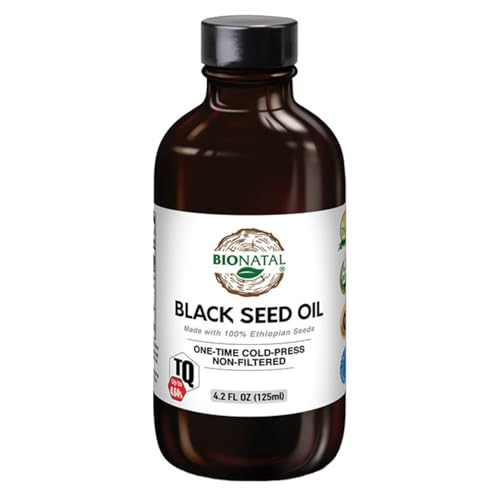
BioNatal’s 4.2-ounce bottle emphasizes a high thymoquinone (TQ) profile, cold pressing, and unrefined quality. The product uses 100% pure Ethiopian Nigella sativa seeds, sourced from certified sustainable farms. Cold pressing at 77–98°F helps preserve vital nutrients and antioxidants, delivering a true full-spectrum oil. The formulation aims to support immune health, heart vitality, joints, skin, and overall wellness. Buyers should note the compact size for travel or trial use, with the assurance of minimal processing and no dilution.
Shea Terra Ethiopian Black Seed Oil 8 oz

Shea Terra offers an 8-ounce bottle of cold-pressed Ethiopian black seed oil with strong notes of immune and skin benefits. The seeds are cultivated in Bale Valley, Ethiopia, and the oil emphasizes the region’s volcanic soil as a contributor to potency. The product is highlighted for its high TQ levels, providing a robust array of bioactive constituents. It is suitable for daily ingestion or topical use on scalp and skin to support hair growth and manage conditions like eczema, contributing to an overall wellness approach.
BioNatal Ethiopian Black Seed Oil – 16oz

This 16-ounce BioNatal bottle is designed for higher daily use or longer-term stock. It preserves the same core attributes: maximum-strength thymoquinone (up to 4.64%), 100% pure Ethiopian Nigella sativa seeds, and cold-pressed, unrefined processing. The emphasis remains on immune support, heart vitality, joints, and skin health, with tiny batch production that aims to maintain potency and minimize filtration or dilution. Consumers seeking a bulk option with consistent quality may find this compelling for ongoing wellness routines.
Black Seed Oil 8 oz – Ethiopian Cold Pressed

Herbal Organic Works presents an 8-ounce bottle featuring maximum-strength thymoquinone levels up to 3.45%. This Ethiopian black seed oil is cold-pressed and unrefined, preserving nutrients and antioxidants. The brand emphasizes the oil’s potential for immune health, cardiovascular wellness, skin nourishment, and hair support. The packaging favors a pure, glass bottle presentation intended to reduce exposure to plastics while maintaining potency for daily use.
100% Ethiopian BlackSeed Oil 8.45 Oz – Tasnim

Tasnim offers a notable 8.45-ounce bottle with a stated thymoquinone range from 5.7% to 21%, depending on harvest. The oil emphasizes immune strength, heart health, skin glow, and hair vitality, positioning it as a versatile option for those seeking higher TQ concentrations. The product is cold-pressed and unrefined to preserve bioactive compounds, with a focus on supporting holistic wellness. The range in TQ reflects natural variability across harvest cycles, which is common in high-potency oils.
Buying Guide: Key Purchase Considerations
- Thymoquinone (TQ) levels: Higher TQ often correlates with stronger bioactive potential. Look for explicit TQ percentages or ranges on the label, understanding that variability can occur between batches.
- Processing method: Cold-pressed and unrefined oils preserve more nutrients and antioxidants. Verify that the product is not refined, diluted, or filtered beyond necessity.
- Source and purity: Favor oils sourced from single-origin, sustainably farmed Ethiopian Nigella sativa seeds. Confirm that the oil is 100% pure and free from additives or carriers unless specified for a formulation.
- Packaging: Dark glass bottles help protect potency from light exposure. Avoid plastic containers when possible, as some oils can interact with plastics over time.
- Size and value: Larger bottles can offer better long-term value, especially if you plan daily use. Consider storage stability and your planned consumption rate.
- Usage options: These oils can be ingested or applied topically. Consider your preferred method and any skin sensitivities or dietary restrictions.
- Allergen considerations: Ensure you do not have sensitivities to Nigella sativa or related products. Read the label for potential allergen declarations.
- Certifications and third-party testing: Look for brands that share batch tests or certifications to verify quality and purity.
Comparative Perspectives
- Purity vs. potency: Some brands prioritize higher TQ values, while others emphasize organic sourcing and soil quality. Weigh potency against source transparency and batch consistency.
- Usage goals: If immune support is the primary goal, prioritize products with higher TQ and clearer dosing guidance. For hair and skin benefits, consider products highlighting topical efficacy and antioxidant content.
- Economics and sustainability: Larger bottles reduce per-ounce cost but require longer commitment. Assess your storage capacity and waste reduction preferences, such as glass packaging over plastic.
Leave a Reply