Best Edible Rose Water for Cooking: Flavorful Essentials for Every Kitchen
Answering the question “Which edible rose waters are best for cooking?” this guide highlights five top options that balance aroma, flavor, and versatility. These selections suit home bakers, dessert makers, and cooks exploring floral profiles in beverages and dishes. Each product is evaluated for culinary use, with notes on what type of buyer will benefit most—from dessert enthusiasts to professional home cooks seeking authentic Damask rose notes.
| Product | Brand | Size | Best For |
|---|---|---|---|
| CORTAS Rose Flower Water, 10 OZ | Cortas | 10 oz | Classic desserts and simple puddings |
| Cortas Premium Rose Water 10 oz – Pack 2 | Cortas | 2 x 10 oz | Baking, ricotta or sponge cakes, batches of desserts |
| Sadaf, Rose Water, 10 Ounce | Sadaf | 10 oz | Persian, Arabic, Indian recipes and beverages |
| govedic Rose Water for Cooking | govedic | 100 ml / 3.38 oz | Drinkable cooking water, cocktails, culinary use |
| Dabur Rose Water – 250ml | Dabur | 250 ml | Dual use in kitchen and skincare, versatile in recipes |
Below you’ll find concise, structured insights for each product. The goal is to help you pick a rose water that harmonizes with your recipes, whether you’re scenting ice creams, pistachio desserts, or delicate syrups. Each section notes who should buy, why the product stands out, and a practical caveat to consider before purchasing.
CORTAS Rose Flower Water, 10 OZ
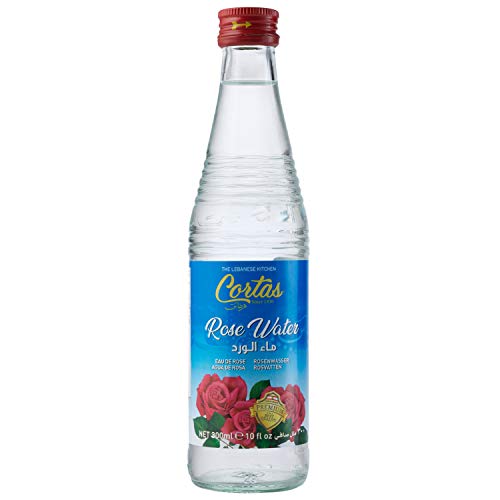
This Cortas rose water is a straightforward, food-grade option made in Lebanon. It delivers a clean rose aroma suitable for desserts and beverages where a gentle floral note is desired without overpowering the dish. Best for home cooks who want a reliable base for simple puddings such as tapioca or rice pudding; finishing with pistachios adds a classic touch. A potential limitation is that it’s a single 10-ounce bottle, which may require buying more for larger batches.
Cortas Premium Rose Water 10 oz – Pack 2

This two-pack from Cortas provides a convenient option for frequent rose-water users. The product emphasizes compatibility with a broad range of desserts, including ricotta-based treats and Italian sponge cakes, cookies, and biscuits. Best for cooks who bake in larger quantities or want to ensure a steady supply for batch cooking. Choose this if you regularly create desserts with delicate floral notes. A drawback could be needing to manage two bottles at once to prevent spoilage after opening.
Sadaf Rose Water, 10 Ounce

Sadaf rose water offers a traditional flavor profile designed to elevate Persian, Arabic, Indian, and other regional cuisines. It is positioned as a cooking water that imparts a natural rose aroma and flavor to beverages, desserts, and fruit dishes. Best for cooks exploring authentic regional recipes or wishing to experiment with a floral accent in beverages. A caution is to dilute when direct drinking is not your goal, as it is concentrated for culinary use.
govedic Rose Water for Cooking

Govedic markets Damascus rose water as a 100% food-grade product derived from steam-distilled petals. It is presented as drinkable and suitable for a broad range of culinary uses, including cooking, baking, cocktails, and general culinary applications. Best for buyers who want a premium rose water with a strong reference to Damascus roses. A limitation is the smaller bottle size relative to some competitors, which may require more frequent repurchasing for larger batches.
Dabur Rose Water – 250ml

Dabur Rose Water emphasizes dual-use for cooking and skincare, reflecting a versatile kitchen staple that can be used in recipes and as a refreshing facial mist. The product blends Damask rose flavors to deliver a delicate floral aroma in foods while offering skincare benefits. Best for buyers who value a multi-purpose product in a single bottle. A caution is to avoid using excessive amounts in delicate dishes, as the fragrance can become overpowering if not measured carefully.
Buying Guide
Choosing the right edible rose water depends on flavor intensity, bottle size, and intended use. Consider the following questions to guide your choice:
- How strong should the rose aroma be in my recipes? If you want a light floral hint, start with smaller amounts and increase gradually.
- Is the product aimed at cooking only or both culinary and skincare uses? For strict cooking, look for labels that emphasize food-grade quality.
- What batch size will I prepare? Larger families or frequent bakers benefit from multi-pack options to ensure a steady supply.
- Do I prefer a Damascus or general rose water profile? Damascus-based options often offer a distinctive, authentic aroma.
- Are there any dietary considerations or regional flavor preferences? Some brands emphasize Persian, Arabic, or Indian culinary traditions.
Practical tips for using edible rose water
- Start with 1/4 to 1/2 teaspoon per recipe and adjust to taste.
- Store in a cool, dark place after opening to preserve aroma and flavor.
- For drinks, consider chilling the rose water beforehand to heighten aroma without adding sweetness.
- Avoid boiling rose water for extended periods, which can diminish delicate floral notes.
- Pair rose water with pistachios, cardamom, vanilla, or saffron to complement its floral profile.
Comparison at a glance
| Feature | Best For | Notes |
|---|---|---|
| Single 10 oz bottle | Casual home bakers | Reliable, affordable baseline flavor |
| Two-pack 10 oz bottles | Batch bakers | Convenience for frequent use |
| 10 oz, Persian/Arabic focus | Regional recipes | Authentic flavor profile |
| 100 ml Damascus rose water | Premium cooking | Intense aroma, smaller bottle |
| 250 ml dual-use | Versatile kitchens | Cooking and skincare in one |
FAQ
- Is rose water safe for cooking? Yes, when labeled as food-grade, it is safe for culinary use and beverages.
- How much rose water should I add? Start with a small amount (¼ to ½ teaspoon) and increase gradually to taste.
- Can I use rose water in desserts? Absolutely; it adds a subtle floral note to puddings, custards, cookies, and cakes.
- Should I refrigerate rose water after opening? Store in a cool, dark place; refrigeration is not always necessary but can extend aroma in some cases.
- Which rose water is best for cocktails? Look for options marketed for versatility, such as Damascus-based or premium culinary varieties, to maintain aroma in mixed drinks.
- Can rose water replace vanilla or citrus in recipes? Not directly; use as a complementary accent to balance floral notes rather than a direct substitute for core flavors.
Leave a Reply