Best Dwarf Apple Trees for Home Orchards and Small Yards
Growing your own apples at home is easier than you think with dwarf varieties that stay compact while delivering delicious fruit. This guide highlights five reliable dwarf apple trees suited for small yards, containers, and beginner growers. Each option is chosen for cold tolerance, fruit quality, and manageable size, helping you cultivate fresh apples without a full-scale orchard. Explore quick-reference details below and learn how to select the best tree for your climate and space.
| Product | Brand | Size / Stage | Notes |
|---|---|---|---|
| Brighter Blooms – Dwarf Red Delicious Apple Tree | Brighter Blooms | 4-5 ft | Compact, popular red variety; shipping restrictions apply for some states |
| Golden Delicious Apple Tree | DAS Farms | 3-4 ft | Ready to transplant; sweet, classic baking apple |
| Brighter Blooms – Dwarf Yellow Delicious Apple Trees | Brighter Blooms | 4-5 ft | Bright, versatile yellow apple; popular for fresh eating and baking |
| Red Delicious Apple Tree, Deciduous | Generic | 2-3 ft | Classic red apple; dwarf alignment with market staple |
| Fuji Apple Tree – Live Semi-Dwarf | Pixies Gardens | 5 gal / Bareroot | Semi-dwarf, large crisp fruits; cold-hardy |
The selections emphasize trees that stay manageable in home landscapes, offer familiar flavors, and adapt to a variety of climates. Each entry includes practical notes on size, hardiness, and care to help you compare options quickly and decide which tree best fits your space and growing conditions.
Brighter Blooms Dwarf Red Delicious Apple Tree
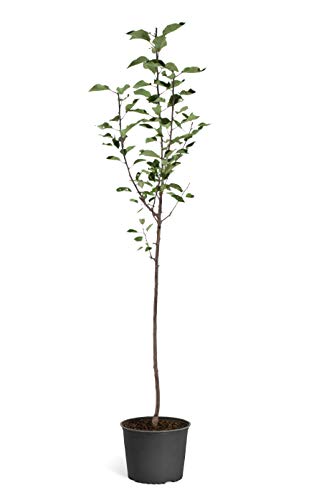
The Brighter Blooms Dwarf Red Delicious Apple Tree is a compact choice that fits well in small yards or container setups. The listed features note shipping restrictions to certain states, which is important to verify before purchase. This variety is popular for fresh eating with classic red apples and is marketed as a color-enhancing, low-maintenance addition to home spaces. If you’re cultivating in a restricted region, plan for local sourcing or check alternatives that ship to your area. The tree arrives in a juvenile stage, ready to establish a home in your garden or patio planter.
Golden Delicious Apple Tree From DAS Farms

The Golden Delicious Apple Tree from DAS Farms is shown as a live plant suitable for ground planting upon arrival. The product notes indicate that California shipments may be bare-root due to regulations, with adaptation to zones 5 through 8 and full sun. This variety suits gardeners seeking a time-honored, sweet apple for fresh eating and dessert use. The tree is positioned as a mid-size option that can establish well in modest spaces and provide reliable annual yields as it matures.
Brighter Blooms Dwarf Yellow Delicious Apple Tree

The Dwarf Yellow Delicious Apple Tree offers a compact, widely loved yellow apple. The feature set highlights that these trees produce extra juicy, crisp fruit that is excellent for fresh eating, cooking, and baking. Like other restricted shipments, California and other regions may have shipping limitations. In your garden, this variety can serve as a focal point in an edible landscape while sharing the harvest with family and friends during fall festivals and gatherings.
Red Delicious Apple Tree (2-3 ft)

The Red Delicious Apple Tree section describes a 2-3 ft tree in a gallon pot. It notes restrictions to several states, including CA and AZ. The Red Delicious fruit is known for its deep red color and mild, crisp flavor, suitable for fresh consumption, salads, and sauces. This entry emphasizes reliable, classic apples in a compact footprint, presenting a straightforward option for beginners building a home orchard with limited space.
Fuji Apple Tree – Semi-Dwarf

The Fuji Apple Tree by Pixies Gardens is a live semi-dwarf variety designed for home orchards and edible landscaping. It promises large, crisp, sweet apples, with a height that remains manageable in small yards and containers. The tree is described as cold-hardy, broadening its suitability across cooler regions. Its semi-dwarf stature helps gardeners balance production with space constraints, making Fuji a strong option for those seeking a dependable, versatile fruit tree with robust flavor.
Gala Apple Tree Live Plant

The Gala Apple Tree entry is included to illustrate the range of dwarf, live-planted options available. It notes that Gala is sweet and popular for late-season harvests, with adaptability across zones 5-9. While not among the five core selections, Gala serves as a reference point for gardeners comparing flavor profiles, growth habits, and climate suitability when choosing a dwarf apple tree. Consider pollination needs and spacing as you evaluate this and other varieties for your landscape.
Buying Guide: Key Considerations For Choosing A Dwarf Apple Tree
When selecting a dwarf apple tree for a home garden, consider the following factors to ensure a healthy, productive, and space-efficient planting.
- Space and container compatibility: Dwarf apple trees are ideal for patios, balconies, and small yards. Check the mature height and spread to ensure adequate clearance for branches and sunlight.
- Pollination and variety pairing: Some apple varieties are self-pollinating, while others require cross-pollination with a compatible partner for best fruit set. Plan your planting layout accordingly.
- Hardiness and climate suitability: Match a variety’s hardiness zone with your local winter lows. Cold-hardy options expand your planting window and reduce winter injury risk.
- Soil and sun requirements: Most apple trees prefer well-drained soil and full sun (roughly 6-8 hours of sunlight daily). Amend soil as needed for drainage and fertility.
- Watering and maintenance: Young trees need regular watering, especially in hot, dry periods. Mulching helps conserve moisture and control weeds.
- Pest and disease resilience: Research common pests and diseases in your area and choose varieties with resistance or plan preventive care accordingly.
- Shipping restrictions and availability: Some listings note regional shipping restrictions. Verify eligibility for your location before purchase.
- Root type and planting time: Bare-root plants ship without soil, while potted trees come established. Planting time should align with local frost dates and soil conditions.
Buying a dwarf apple tree involves balancing flavor preferences, growth habit, and regional climate. Prospective buyers should weigh whether they want a tree primarily for fresh eating, baking, or a decorative edible landscape. Consider future expansion plans and whether you expect to expand your garden with companion fruit trees for pollination and ecosystem benefits. With careful selection, a dwarf apple tree can provide years of harvests and a rewarding gardening experience.
Leave a Reply