Best Bulk Drinking Water for Easy Hydration at Home or Work
Buying drinking water in bulk is ideal for families, offices, and events seeking convenient, cost-effective hydration. This guide highlights five bulk water options that balance portability, taste, and recyclability. Each pick is analyzed for who benefits most, with practical cautions to aid decision-making.
Summary table of chosen products:
| Product | Size | Pack Count | |
|---|---|---|---|
| Pure Life Purified Bottled Water (8 oz, 24 Pack) | 8 Fl Oz | 24 | Kids’ lunches, compact on-the-go hydration |
| Pure Life Purified Bottled Water (16.9 oz, 12 Pack) | 16.9 Fl Oz | 12 | Work lunches, easy carry for adults |
| True Clear Purified Water (16.9 oz, 24-Pack) | 16.9 Fl Oz | 24 | Lunches, school or office hydration |
| BOXED WATER IS BETTER (8.4 oz, 24 Pack) | 8.4 Fl Oz | 24 | Eco-conscious lunches, portable sustainability |
| RAIN Spring Water (16 oz, 24 Pack) | 16 Fl Oz | 24 | Source-water freshness, aluminum packaging |
Pure Life Purified Bottled Water, 8 Pack (8 oz)
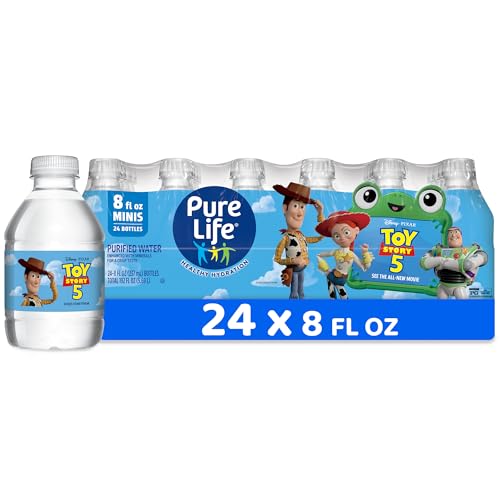
Best for kids and smaller containers, this 24-pack of 8 oz bottles provides easy portion control for lunches and backpacks. The water is minerals-enhanced for a crisp flavor, appealing to young palates and encouraging regular hydration. Recyclability is noted, though local recycling capabilities may vary by area.
Who it’s best for: families seeking kid-friendly, compact bottles for school and travel. Why chosen: small bottle size minimizes waste at a single-use scale and supports quick hydration on the go. Caution: caps and labels may not be recyclable in every community.
Pure Life Purified Bottled Water, 12 Pack (16.9 oz)

Ideal for work and commuting, this 12-pack of larger 16.9 oz bottles offers a balance between portability and hydration per bottle. Mineral-enhanced taste remains kid-friendly, making it versatile for family use as well. Recyclability is noted, with caveats about local programs.
Who it’s best for: adults needing a reliable on-the-go bottle for daily routines. Why chosen: a common-size bottle that pairs well with lunch bags or desk hydration. Caution: larger bottles may be less convenient for very young children compared to smaller 8 oz options.
True Clear Purified Drinking Water, 16.9 oz, 24-Pack

Clean hydration with a multi-step purification process yields a crisp taste with zero calories and no artificial additives. Packaged in recyclable Eco-Air bottles, this option emphasizes sustainability, offering a practical alternative to traditional plastic packaging. The mineral-infused profile—calcium chloride and sodium bicarbonate—provides a balanced taste.
Who it’s best for: households prioritizing eco-friendly packaging without compromising taste. Why chosen: combines strong purification with sustainable packaging. Caution: Eco-Air bottles are recyclable in many areas, but local programs vary; check local guidelines.
Mini Boxed Water Is Better, 8.4 oz (24 Pack)

Boxed Water Is Better provides a plant-based carton and a no-added-mineral approach, delivering plain water in a sustainable package. The carton design uses mainly renewable materials, including a plant-based cap. Best for: lunches, picnics, and events with a preference for carton packaging over plastic bottles.
Why chosen: strong sustainability story and clean taste. Caution: packaging remains more fragile than plastic bottles; handle with care during transport.
RAIN Spring Water, 16 oz (24 Pack)

RAIN emphasizes a recyclable aluminum bottle and sourcing from natural springs, with a claim of bottling at the source. The aluminum packaging provides faster cooling and a different thermal profile than plastic. Best for: situations where rapid cooling and reduced plastic use matter. Caution: aluminum bottles require careful recycling adherence to maximize environmental impact.
Buying Guide
Key considerations when choosing bulk drinking water:
- Packaging format: Bottled water (plastic) vs. carton vs. aluminum. Choose based on portability, recyclability, and storage constraints.
- Size and pack count: Larger bottles suit offices and events; smaller bottles fit kids’ meals and on-the-go needs.
- Taste and minerals: Some brands add minerals for a crisper taste; preferences vary by consumer and age group.
- Environmental impact: Recyclability and packaging materials influence sustainability goals; consider local recycling capabilities.
- Portability vs. storage: Smaller, lighter bottles are easier to carry; bulk cases optimize storage space in pantries and break rooms.
- Source and purification: Purified water vs. spring water; purification processes can affect flavor and odor; align with health and taste preferences.
Practical comparisons
- Best for kids and lunches: 8 oz Pure Life (24 Pack) for portability and portion control.
- Better for workdays: 16.9 oz Pure Life or True Clear (both 16.9 oz) for fewer bottles to manage.
- Eco-friendly option: Boxed Water Is Better cartons for those prioritizing plant-based packaging.
- Source freshness: RAIN aluminum bottles emphasize rapid cooling and spring-sourced water.
FAQ
- What is the advantage of bulk drinking water over individual bottles? Bulk options reduce packaging waste per serving and simplify stocking for households or workplaces.
- Are these waters suitable for kids? Most options are kid-friendly, particularly smaller bottles; check cap safety and packaging for young children.
- Is recycled packaging always accepted? Recycling varies by area; verify local guidelines before disposal.
- Which packaging minimizes plastic use? Boxed Water Is Better and similar carton formats reduce reliance on plastic bottles.
- Do mineral-enhanced waters taste different? Mineral additions can alter taste subtly; personal preference matters.
- Can these waters be reused? Refill or reuse practices depend on packaging; follow manufacturer and local guidelines for safe reuse.
Leave a Reply