Best Dried Meat Survival Food for Long-Term Hunger Security and Prepper Peace of Mind
Yes, dried meat survival food is a practical choice for emergency prep and outdoor adventures. This guide highlights five reliable options that balance protein density, shelf life, and ease of use. The top picks are best for long-term storage enthusiasts, campers seeking grab-and-go meals, and anyone building a resilient pantry. Below you’ll find clear, comparison-friendly sections, recommended use cases, and a concise buying guide to help you choose with confidence.
| Product | Protein-Heavy Factor | Shelf Life | Best For |
|---|---|---|---|
| ReadyWise Emergency Food Supply – 88 Servings Meat & Rice | Meat & Rice meals | Up to 25 years | Home storage and car kits |
| Ready Hour Freeze-Dried Meat Kit (20 Servings) | Beef, chicken, pork sausage | Long-term, rugged packaging | Grab-and-go kits, camping |
| Ready Hour Mega Protein Kit with Real Freeze-Dried Meat (72 Servings) | Chicken, beef, beans | Long-term storage | High-protein emergency meals |
| Valley Food Storage 92 Serving Freeze Dried Meat Bucket | Beef, chicken, sausage | Up to 25 years | Off-grid and long-term storage |
| Mountain House Ground Beef #10 Can | Ground beef, gluten-free | Long shelf life | Trail meals and emergencies |
ReadyWise Emergency Food Supply – 88 Servings
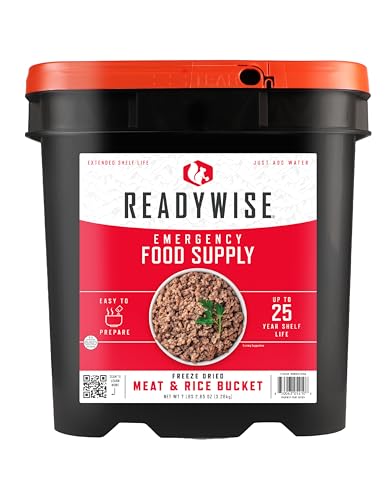
Best for: Home prepper kits and vehicle emergency storage. This 88-serving bucket provides meat-and-rice meals with a long shelf life, designed for stackable pantry storage and on-the-go use. It emphasizes “just add water” convenience and doubles as a practical tray with the split lid. The long-term reliability makes it suitable for households prioritizing ready-to-serve meals during outages or disasters.
Why chosen: It combines compact storage, a substantial protein mix, and up to 25-year shelf life. The package design supports quick access in emergencies and easy portioning for families.
Caution: The bucket relies on water rehydration; in very hot environments, ensure safe handling and proper water access to maximize texture and flavor.
Ready Hour Freeze-Dried Meat Kit (20 Servings)

Best for: Preppers needing varied protein options without cooking. The kit offers beef crumbles, beef dices, chicken, and pork sausage with a total of 334 grams of protein, all freeze-dried and ready to rehydrate.
Why chosen: Real meat flavor and texture are preserved, and the pouches are quadruple-wrapped inside a rugged bucket for transport. It supports quick meal assembly in soups, stews, and broths.
Caution: Some users may require careful rehydration to achieve the desired texture, especially in cooler environments where water temperature matters.
Ready Hour Mega Protein Kit with Real Freeze-Dried Meat (72 Servings)

Best for: High-protein emergency meals for families or groups. This kit provides 820 total grams of protein, featuring beef and chicken with beans for a balanced, ready-to-prepare option.
Why chosen: Real meat and beans create hearty, versatile meals with minimal cooking, making it ideal for quick, nutrient-dense meals during outages or outdoor activities.
Caution: Ensure you have enough water and heat source for boiling beans; the kit includes different components with varied preparation times.
Valley Food Storage 92 Serving Freeze Dried Meat Bucket

Best for: Long-term off-grid living and disaster prep. This bucket emphasizes high-protein meat options and a 25-year shelf life, designed for steady, reliable storage without frequent rotation.
Why chosen: It offers a premium blend of beef, chicken, and sausage within a single bucket, simplifying organization and long-term planning for families or small groups.
Caution: The bucket’s size may require dedicated storage space; verify shelf-height and access in your pantry or storage closet.
Mountain House Ground Beef #10 Can

Best for: Solo campers or quick meals when you want a familiar comfort-food base. The gluten-free ground beef offers a familiar texture and flavor, ready in minutes with minimal prep.
Why chosen: It delivers a compact, shelf-stable protein source that’s easy to portion and incorporate into various meals, from chili to casseroles.
Caution: This option is ideal for short-term use or as a supplement to larger long-term storage plans; one can may not be enough for large households during extended outages.
Buying Guide: How to Choose Dried Meat Survival Food
- Shelf life vs. storage space: If you have limited pantry space, prioritize stackable buckets or cans with long shelf life (up to 25 years). For larger preparedness goals, multi-pack kits offer more servings per container.
- Protein density: Look for products with real meat and high protein per serving. Protein is crucial for energy, muscle maintenance, and satiety during emergencies.
- Ease of preparation: Consider how much time you can allocate to rehydration or cooking. Some items require only water; others need brief simmering or boiling.
- Texture and taste: Freeze-dried meat generally preserves texture better than some dehydrated options. Packages with mixed protein types offer variety for meal planning.
- Packaging durability: Rugged pouches and liners protect contents from moisture and temperature swings. Buckets with lids that double as trays provide practical on-site use.
- Dietary needs: Check for gluten-free, soy-free, or other dietary considerations if relevant to your household.
- Portion planning: Choose kits that align with your household size and meal rotation. Larger families benefit from higher-servings options for daily meals.
Frequently Asked Questions
- What is the main benefit of freeze-dried meat in survival food? Freeze-drying preserves most of the flavor and nutritional value while significantly extending shelf life and reducing weight for storage or transport.
- How long can dried meat survive in typical home storage? Many products are designed for up to 25 years when stored in cool, dry conditions away from direct sunlight.
- Do I need a special water source to rehydrate these meals? Generally, clean water is sufficient. Some kits specify hot water versus room temperature water for optimal texture.
- Can these products be used for everyday meals, not just emergencies? Yes. Many items are versatile enough to add to soups, stews, or casseroles when you’re not in an emergency scenario.
- Are there non-meat options in these survival lines? Some brands offer beans or plant-based sides; the provided selections focus on meat-centric options for protein.
- How should I store these products? Store in a cool, dry place, away from direct sun. Avoid humidity and temperature fluctuations to maximize shelf life.
Leave a Reply