Best Disease Resistant Tomatoes for Summer Success
Gardeners who want robust tomato harvests without constant disease management will benefit from varieties bred for resilience. The following selections emphasize strong disease resistance, reliable yields, and flavorful fruit. This guide highlights five Burpee and related options that perform well in home gardens, with practical notes on growth habit, harvest timing, and care.
Summary of chosen products (for quick reference):
- Burpee Celebrity Hybrid Red Tomato Slicer
- Burpee Bodacious Hybrid Tomato Seeds
- Burpee Better Boy Hybrid Tomato Seeds
- Burpee SuperSauce Hybrid Tomato Seeds
- Chef’s Choice Orange Hybrid Tomato
Burpee Celebrity Hybrid Red Tomato Slicer

The Celebrity tomato is a determinate variety known for disease resistance and high yields on compact plants. Vines reach about 36 inches with a 30-inch spread, producing large 7-ounce fruits. This All-America Selections award-winning slicer is suitable for summer sandwiches and fresh salads, offering reliable performance in home gardens. Plant early for a dependable harvest window, and provide standard spacing to promote air circulation and reduce disease pressure.
Key features include determinate growth, strong disease resilience, and a harvest that begins roughly 70 days after transplanting. The seeds are non-GMO, with a stated germination advantage, and growers can expect vigorous plants even in less-than-ideal conditions. The Celebrity variety emphasizes fresh tomato flavor ideal for slicing and sandwiches.
For best results, plant in full sun after the danger of frost has passed, water consistently, and mulch to preserve soil moisture. Regular pruning is often minimal due to determinate growth, but staking or support may help manage fruit load. The combination of disease resistance and reliable yields makes Celebrity a dependable choice for beginners and experienced gardeners alike.
Burpee Bodacious Hybrid Tomato Seeds

Bodacious is a robust, non-GMO, indeterminate tomato with disease resistance and a high-yielding habit. These large, round, red tomatoes are celebrated for their versatile flavor and firm texture, making them ideal for fresh eating and cooking. The seeds support high germination rates, helping gardeners establish strong plants that produce all season long.
Growth is vigorous, with vines typically reaching 5 to 6 feet in optimal conditions and spreading 4 feet. Expect a harvest beginning around 80–85 days after transplanting, with typical fruit weighing around 10–12 ounces. This variety suits home gardens seeking plentiful slicing tomatoes for sandwiches, salads, and sauces, while maintaining resilience against common diseases.
Gardeners should provide support such as cages or trellises and monitor moisture to prevent cracking. Bodacious blends robust flavor with dependable performance, offering a forgiving option for gardeners managing variable weather or soil quality. The non-GMO status, combined with disease resistance, makes Bodacious a solid producer for those who want reliable flavor from their home-grown tomatoes.
Burpee Better Boy Hybrid Tomato Seeds

Better Boy is a classic large slicing tomato with strong disease resistance and easy growth, making it a staple for many home gardens. Indeterminate growth supports continuous fruit production from mid-summer through frost. Plants typically reach about 36 inches tall with an 18-inch spread, yielding sizable 16-ounce fruits that are well-suited for sandwiches and fresh slicing.
The seeds are non-GMO, with Burpee’s emphasis on high-quality, disease-resistant stock. Germination rates are presented as higher than industry standards, contributing to a reliable start for new gardeners. The flavor profile is described as fresh and juicy, appealing to those who prefer a traditional tomato taste from garden-grown produce.
Care involves regular water and sun exposure, along with staking or trellising to support the tall vines and heavy fruit set. Better Boy’s resilience and prolific yield make it a dependable choice for gardeners seeking uncomplicated, long-running production across the growing season.
Burpee SuperSauce Hybrid Tomato Seeds

SuperSauce is designed for paste production and large fruit size, offering a true sauce tomato with a heftier, meatier flesh. The indeterminate vines can reach substantial height and spread, enabling extended fruit production through the season. Each fruit can weigh up to 22–32 ounces, delivering substantial yield per plant for sauces, canning, and hearty dishes.
Diseases resistance is highlighted, alongside non-GMO status and Burpee’s selective breeding. The plant vigor and prolific fruit set make SuperSauce a strong candidate for gardeners aiming to maximize preserved tomato output. The extremely large fruit size supports efficient processing, while the plant’s ongoing growth supports continued harvest opportunities from late spring into fall.
For best results, provide strong support, ensure consistent soil moisture, and manage pruning to maintain airflow. The combination of disease resistance, high yield, and large paste tomatoes makes SuperSauce a standout for cooks who value garden-to-kitchen efficiency and volume.
Chef’s Choice Orange Hybrid Tomato
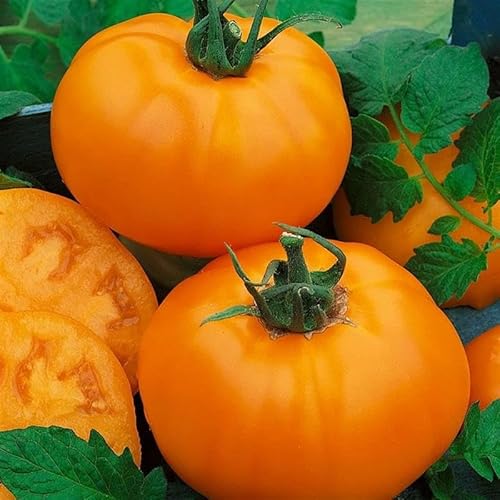
Chef’s Choice Orange is an F1 hybrid known for early maturity and disease resistance, delivering 8–12 ounce orange fruits with a sweet, mild flavor. The vines are indeterminate, reaching 5–6 feet and needing support. This variety is recognized as an All-America Selections winner for taste and performance, offering reliable production across the growing season.
With disease resistance to several common pathogens, the Chef’s Choice Orange provides a resilient option for gardeners seeking a vibrant color complement to their tomato lineup. Its early maturity supports faster rewards for seasonal harvests, while the plant’s vigor enables continued fruiting through warm months.
As with other indeterminates, provide sturdy stakes or cages and consistent watering. The orange fruit color adds visual variety to fresh salads and dishes, and the combination of resistance, flavor, and steady production makes Chef’s Choice Orange a practical addition to a disease-resilient garden plan.
Buying Guide: Key Purchase Considerations And Comparisons
When choosing disease-resistant tomatoes for a home garden, consider growth habit, fruit type, maturation time, and disease resistance profile. Indeterminate varieties offer ongoing harvest through the season, but require more space and support, while determinate types provide a tighter harvest over a shorter window and are easier to manage for smaller plots.
– Disease resistance: Look for varieties explicitly bred for disease resistance to common tomato pathogens such as Fusarium wilt, late blight, or Alternaria. This can reduce the need for chemical interventions and help maintain steady yields in challenging weather.
– Plant height and staking: Indeterminate vines can reach several feet tall and spread widely, needing sturdy trellising or cages. Determinate types stay more compact, which benefits small spaces but may limit total yield.
– Fruit type and use: Paste tomatoes are ideal for sauces and canning, while slicers are best for fresh eating. Consider rotation of tomato usage to balance preservation needs with fresh meals.
– Maturity timing: Early-season varieties provide quick rewards, while mid-to-late maturing types extend harvest opportunities. A mix of ripening times can spread labor and supply.
– Seed source and non-GMO status: Non-GMO seeds can be preferred for certain gardening philosophies, and reputable seed companies often emphasize germination performance. Look for seed packets with clear germination data and growing instructions.
– Climate and cultural practices: In hotter climates, disease pressure may shift, so select varieties with proven resilience in your region. Adequate spacing, air circulation, mulching, and consistent watering help minimize disease risk regardless of variety.

Overall, assembling a small collection of disease-resistant hybrids—ranging from determinate slicers to vigorous indeterminates—can provide extended harvests and reliable flavor. The five varieties highlighted here cover a spectrum of growth habits, fruit use, and resistance profiles, offering multiple pathways to a successful tomato garden with fewer disease-related setbacks.
Leave a Reply