Best Diabetic Friendly Canned Soups for Easy, Low-Sodium Meals
Finding diabetic friendly canned soups means focusing on options with lower sodium, higher fiber, and meaningful protein content. The top picks below are selected for people seeking convenient, shelf-stable meals that fit a lower-sodium lifestyle while still delivering flavor. These options are best for those who want quick lunches, mindful pantry staples, or meal ideas that pair well with vegetables, whole grains, or lean proteins. The list includes mainly low-sodium and high-fiber choices from trusted brands.
| Product | Why It’s Diabetic Friendly | Best For |
|---|---|---|
| Amy’s Soup, Organic Light in Sodium Variety Pack | Lower sodium variant options; organic vegetables; plant-based | Vegetarian, low-sodium meals |
| Progresso Vegetable Classics Lentil Canned Soup | High fiber from lentils; gluten-free; no artificial flavors | Fiber-rich lunches |
| Progresso Protein Tomato Sausage & Lentil Canned Soup | High protein; gluten-free; simple recipe | Protein-focused meals |
| Old El Paso Chicken Cheese Enchilada-Style Soup | Gluten-free option; enchilada flavor; convenient | Meal-in-a-bowl with bold flavor |
| Campbell’s Condensed Unsalted Tomato Soup | Unsalted base; customizable with toppings; light sodium | Low-sodium starter for DIY bowls |
Amy’s Soup, Organic Light in Sodium Variety Pack

Amy’s Organic Light in Sodium Variety Pack includes two Lentil Vegetable, two Lentil, and two Split Pea soups. These organic, plant-based options are dairy-free and vegan. The lower-sodium formulation is designed for buyers seeking 50% less sodium than Amy’s regular soups. Best for vegetarians or anyone limiting sodium intake while wanting a hearty, vegetable-forward meal. Caution: While lower in sodium, the pack still contains natural sodium from vegetables and seasoning, so portion control remains important for strict sodium targets.
Progresso Traditional Split Pea with Ham Canned Soup

This gluten-free soup features split peas, root vegetables, and ham with a comforting profile. It is a convenient lunch or dinner option with about 120 calories per serving. Best for those who want a classic, hearty soup with protein from ham. Limitation: Sodium levels can be higher in traditional deli-style recipes; verify dietary targets before frequent use.
Progresso Vegetable Classics Lentil Canned Soup

Progresso Lentil Soup combines lentils with vegetables like celery and spinach. It is a vegetarian option with a relatively high fiber content and no artificial flavors or colors. Best for fiber-focused meals or vegan lunches. For sodium-conscious buyers, check the nutrition label, as sodium can vary by variety.
Progresso Protein Tomato Sausage & Lentil Canned Soup

This protein-forward soup blends Andouille sausage with lentils, peppers, and a savory broth. It delivers 23 grams of protein per can, making it a strong option for those seeking a filling meal. Best for higher-protein dieting or quick post-workout meals. Caution: Protein sauces may be higher in sodium; verify fit with daily targets.
Old El Paso Chicken Cheese Enchilada-Style Soup

Enchilada-style soup with chicken, cheese, tomatoes, and peppers offers a bold and familiar flavor arc. This gluten-free option provides a comforting meal that can be part of a balanced plate. Best for fans of Mexican-inspired soups seeking convenience. Limitation: Enchilada-style flavors can be richer in sodium; portion control helps manage intake.
Campbell’s Condensed Unsalted Tomato Soup
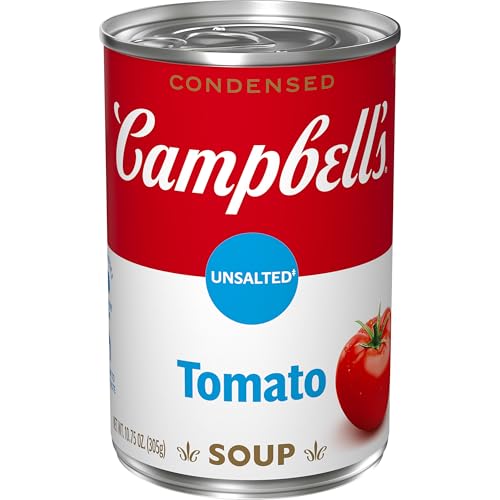
This unsalted tomato soup is designed so you can control seasoning at home. It features a tomato-forward base with six farm-grown tomatoes per can. Best for buyers who want a blank-slate soup to customize with toppings or use in recipes. Caution: Not completely sodium-free; it’s labeled unsalted but does not guarantee zero sodium.
Buying Guide: Key Considerations For Diabetic Friendly Canned Soups
- Lower Sodium Targets: Compare per-serving sodium content and aim for 140 mg or less per serving when possible. Look for “low sodium” or “unsalted” on labels.
- Fiber and Protein Balance: Higher fiber (from lentils, beans) and added protein help with fullness and glycemic response. Check nutrition facts for grams of fiber and protein per serving.
- Ingredients Simplicity: Favor soups with whole-food ingredients and minimal artificial flavors or colors. Organic options can appeal to those seeking fewer additives.
- Dietary Needs: Consider dairy-free, vegan, gluten-free, or other restrictions. Plant-based soups can align with many dietary plans.
- Flavor And Versatility: Choose flavors you enjoy and that pair well with vegetables, grains, or lean proteins to build balanced meals.
Frequently Asked Questions
- What is the best low-sodium soup for diabetes?
Low-sodium options like Amy’s Light in Sodium and Campbell’s Unsalted Tomato Soup are common choices, but always verify per-serving sodium and total carbohydrate counts on the label. - Do soups with lentils help blood sugar control?
Yes, lentils provide fiber and protein, which can slow glucose absorption and improve satiety. - Are all canned soups suitable for a diabetic diet?
No. Always check sodium, fiber, and carbohydrate information to ensure alignment with dietary goals. - Should I choose gluten-free soups?
Gluten-free options can reduce digestive concerns for some while not necessarily impacting glycemic control. It depends on individual needs. - Can I use canned soups as a complete meal?
Some high-protein or fiber-rich options can be a meal when paired with vegetables or a side. Otherwise, add a protein source or whole grains for balance. - What role does serving size play in diabetes management?
Serving size directly affects carbohydrate and sodium intake, so measure portions and stick to recommended serving guidelines.
Leave a Reply