Best Decaf Organic Coffee Beans for Clean Cumes: Rich Flavor Without the Caffeine
Looking for decaf coffee beans that keep the flavor of a premium roast while delivering minimal caffeine? This guide highlights five organic decaf options well-suited for different needs—from smooth daily brews to bold, bold-flavored cups. Each product is organic, decaffeinated with careful processes, and suitable for various brewing methods. It’s ideal for caffeine-conscious drinkers, allergy-aware buyers, and those who value sustainable farming. Below, compare the picks and find which is best for you.
| Product | Best For | Why It Stands Out |
|---|---|---|
| Mayorga Decaf Cubano Roast | Fans of smooth, bold flavor | Swiss Water decaffeination; 100% Arabica; Latin American blends |
| Kicking Horse Decaf | Rich, chocolaty profile | Dark roast, hazelnut/chocolate notes; organic and fair trade |
| Allegro Decaf French Roast | Classic dark, everyday brew | Specialty whole bean; strong dark roast |
| Cameron’s Organic Decaf French Roast | Small-batch crafted flavor | Handcrafted, sustainable, four-pound bag |
| 365 by Whole Foods Buzz Free | Light to medium decaf option | Natural decaffeination; sustainable sourcing |
Mayorga Decaf Cubano Roast Organic Coffee

Best for those who want a smooth yet bold cup with vanilla notes. Mayorga decaf uses Swiss Water processing to remove 99.9% of caffeine while preserving aroma and flavor. The blend emphasizes Latin American origins with a slow-roast profile that yields a syrupy finish and low acidity. Choose this if you prefer a Cuban-style dark roast without caffeine.
Who it’s best for: daily coffee drinkers who want a rich, low-acid cup without a caffeine kick; fans of dark roasts with a sweet, smoky edge.
Limitations: Some may notice a slightly stronger vanilla note that dominates subtle nuances compared to lighter decafs.
Kicking Horse Decaf Swiss Water Dark Roast

Best for fans of a robust, velvety black-tie coffee. This decaf uses the Swiss Water process for flavor preservation and offers a deep, earthy profile with roasted hazelnuts and chocolate notes. It’s roasted in the Canadian Rockies, ensuring a genuine single-origin feel without caffeine.
Who it’s best for: people seeking a bold, lasting finish in a decaf; those who value a pure, single-roast flavor with minimal additives.
Limitations: Some may prefer a lighter body; this is a darker, more assertive cup.
Allegro Coffee Decaf French Roast

Best for lovers of a classic, intense dark roast. Allegro’s decaf French Roast delivers a bold profile with a clean finish. The beans are labeled as specialty-grade and roasted to a dark finish, making them a reliable daily decaf option for traditional brew methods.
Who it’s best for: users who want a straightforward, strong cup with minimal acidity and a familiar black coffee character.
Limitations: The roast can be intense for those who prefer a truly smooth, mild cup; consider lighter decaf options if sensitive to smoke notes.
Cameron’s Organic Decaf French Roast
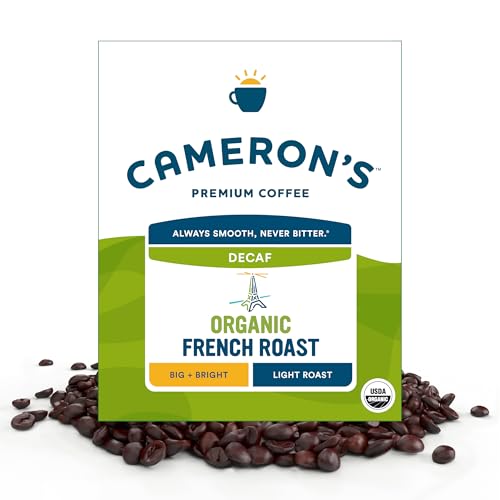
Best for those who want small-batch, craft-style decaf. Cameron’s offers a four-pound bag of decaf French Roast with emphasis on sustainability, smoothness, and flavor. The brand highlights handcrafted roasting and a commitment to biodiversity and land stewardship.
Who it’s best for: households that brew frequently and want a consistent, smoother decaf with a classic French roast character.
Limitations: A four-pound bag may be large for light users; ensure storage is adequate to preserve freshness over time.
365 by Whole Foods Market Buzz Free Decaf

Best for caffeine-averse mornings with a sustainable edge. This decaf uses a natural decaffeination process and emphasizes sourcing from sustainable small growers. It’s a versatile option in a 24-ounce bag, suitable for drip or pour-over brewing.
Who it’s best for: buyers seeking a decaf that aligns with sustainable sourcing and a straightforward, balanced cup.
Limitations: Some users may find the flavor lighter than deeper roasts; consider pairing with a stronger brew method or blending with other beans if needed.
Buying Guide: How To Choose The Right Decaf Organic Coffee Beans
What decaffeination method matters? Swiss Water and other water-based processes tend to preserve the most aroma and flavor. Organic certification ensures farming practices align with environmental standards and non-GMO considerations. Consider roast level, flavor notes, and bag size to fit your brewing routine.
How to pick by brewing method? If you brew with a French press or pour-over, you may prefer a medium to dark roast with a smoother finish. For drip machines, any of the bold options can work well, but lighter decaf profiles can reveal more nuanced flavors. For espresso lovers, look for a robust, finely ground option or a whole bean you can grind to a fine consistency just before brewing.
What about sustainability and origin? Organic decaf often emphasizes shade-grown, fair-trade practices, and small-farm sourcing. If sustainability matters to you, review the brand’s farming practices and certifications where possible.
Storage and freshness tips: Once opened, store beans in a cool, dark place in an airtight container. Use within a few weeks for best flavor, or consider a resealable bag that minimizes air exposure.
FAQ
- What is the best decaf coffee for flavor? Choose a Swiss Water-decaffeinated organic coffee with a dark roast if you want a bold, chocolatey profile, such as Kicking Horse or Mayorga Cubano Roast.
- Is organic decaf safer for the environment? Organic farming typically avoids synthetic pesticides and emphasizes sustainable farming practices, which benefits soil health and biodiversity.
- Can decaf coffee taste as good as regular coffee? Yes, especially when using high-quality beans that are decaffeinated with care and roasted to highlight flavor notes.
- What should I consider when deciding bag size? Estimate your weekly consumption; larger bags are more economical but require proper storage to maintain freshness.
- Are all decafs suitable for all brewing methods? Most are versatile, but some lighter decaf blends shine in pour-over and AeroPress, while darker roasts perform well in French press or espresso setups.
- Where does the caffeine content go after decaffeination? Decaffeination reduces caffeine significantly, but trace amounts may remain depending on the process used.
Leave a Reply