Best Corn Puffs for Babies: Top Picks for Safe, Tasty Snacking
Finding corn puffs for babies that are gentle on gums, made with wholesome ingredients, and easy for little hands to hold is essential for early self-feeding. This guide highlights five baby-friendly puff options that meet practical needs for parents and caregivers. Each choice targets different priorities such as organic ingredients, protein content, or texture that dissolves easily. The listed products are best for babies progressing from purees to finger foods, toddlers needing convenient on-the-go snacks, and families seeking simple ingredient lists.
| Product | Best For | Key Benefit |
|---|---|---|
| Little Spoon Kale Apple Meltable Baby Puffs | Infants learning self-feeding | Organic ingredients; melt-in-mouth texture |
| Gerber Tomato Puffcorn Snack | Busy parents, toddlers on the go | Whole grain, immune-supporting nutrients |
| Osem Bamba Peanut Butter Puffs | Families seeking protein boost | Simple ingredients; plant-based protein |
| Annie’s Organic White Cheddar Cheesy Smiles | Organic, gluten-free option | Real cheese taste; non-GMO and organic |
| Gerber Crunchies To Go Mild Cheddar | Portable toddler snack | Baked grain snack with mild cheddar flavor |
Note: Each product targets different buyer needs—organic sourcing, protein content, texture for gum development, or portability. The table above helps compare core attributes at a glance for a quick decision.
Little Spoon Kale Apple Meltable Baby Puffs

Melt-in-mouth texture is designed to dissolve easily, supporting gum massage and oral motor skill development. The organic recipe uses six simple ingredients, including quinoa and sorghum, with no rice, added sugar, or salt. Best for babies beginning self-feeding and practicing grasping, chewing, and independent eating. A potential limitation is the absence of fortified minerals beyond what the ingredients naturally provide, so it may be complemented with other nutrient sources.
Gerber Tomato Puffcorn Snack

Designed for toddlers on the go, this snack options emphasizes whole grain corn flour and a modest mineral profile, including magnesium. It supports immune system development with iron and zinc. Choose this if you want a compact, practically portioned snack for busy days. Best avoided if your child is sensitive to tomatoes or seasoned flavors, as some batches may vary in flavor intensity.
Osem Bamba Peanut Butter Puffs

Original peanut butter puff with a simple ingredient list: ground peanuts, ground corn, sunflower oil, and salt. Oven-baked for a light, crunchy texture with 5 grams of plant-based protein per serving. Best for little ones who need a protein boost and crave a familiar peanut flavor. Use caution if there is a peanut allergy in the family; ensure proper allergen labeling and introduce gradually.
Annie’s Organic White Cheddar Cheesy Smiles
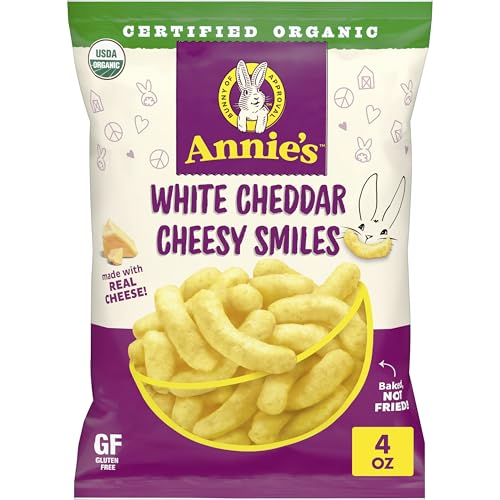
Organic, gluten-free corn puffs made with real cheddar cheese for a familiar taste. Packaged as a non-GMO product with USDA organic certification and no artificial flavors or colors. Best for families prioritizing organic ingredients and a cheesy flavor that kids enjoy. Limitation: Cheddar flavor can be lightly salty; monitor sodium intake in daily snacks for Young children.
Gerber Toddler Classic Corn Puffcorn Snack

Classic puffcorn made with whole grain corn flour and a focus on toddler nutrition. The product highlights iron and zinc to help support the immune system. This option is best for parents seeking a straightforward, familiar corn puff experience for toddlers. Consider alternatives for flavor variety if your child prefers different tastes.
Buying Guide
What should you look for when selecting corn puffs for babies?
- Texture and age suitability: Meltable vs. crunchy puffs determine how safely a child can chew and swallow. Choose melt-in-mouth options for younger infants transitioning to finger foods.
- Ingredient quality: Prefer organic ingredients, minimal processing, and no added sugars or salt for younger babies.
- Allergen considerations: Nuts and gluten are common allergens. Check labels and introduce new products gradually.
- Fortification and minerals: Some snacks include iron, zinc, or magnesium; these can help support developing immune systems but should not replace a balanced diet.
- Portability and packaging: On-the-go snacks should be easy to carry and portion-controlled to prevent over-snacking.
Common questions buyers ask
- Are corn puffs safe for babies under one year?
- Do these snacks contain added sugars or salt?
- Which puff is best for texture development?
- Are there allergen-free options?
Quick tips for serving
- Offer water alongside to help with hydration and swallow safety.
- Always supervise babies while snacking to prevent choking.
- Introduce one new puff at a time to monitor tolerance.
FAQ
- What age can babies start eating corn puffs? — Begin with meltable, grain-based puffs designed for early self-feeding, typically around 6–9 months depending on developmental readiness.
- Are organic options worth it? — Organic puffs reduce exposure to certain pesticides and are preferred by families seeking fewer synthetic ingredients.
- What ingredients should I avoid? — Avoid added sugar, salt, artificial flavors, or preservatives in products for infants and toddlers.
- Can these snacks contribute to protein intake? — Some options include protein from ingredients like peanut butter or fortified grains, but they should complement a balanced diet.
- How should I store puff snacks? — Keep them in a cool, dry place and seal after opening to maintain texture and freshness.
Leave a Reply