Best Companion Plants for Carrots: Smart Pairings for Healthier Harvests
Discover plant pairings that help carrots thrive, deter pests, and maximize yields. This guide highlights carefully chosen companion plants and related carrot seeds that align with practical garden planning. From fragrant herbs to flowering natives, learn how these selections work together to boost soil health, attract beneficial insects, and support robust carrot development.
Summary of selected products:
| Product | Brand | Notes |
|---|---|---|
| Carrots Love Tomatoes: Secrets of Companion Planting for Successful Gardening | Storey Publishing | Classic guide on carrot-tomato companioning; practical, illustrated |
| Roses Love Garlic: Companion Planting and Other Secrets of Flowers | Storey Publishing | Flower and herb pairing ideas; notable for fragrance and pest deterrence |
| Daucus carota | Queen Anne’s Lace (Live Plant) | Generic | Wildflower that can support pollinators and natural aesthetics |
| Rainbow Carrot Seeds for Planting Heirloom Packets (Various) | Axel’s Garden Seeds | Rainbow carrot varieties for colorful harvests |
| Sow Right Seeds – Imperator 58 Carrot Seed | Sow Right Seeds | Long, sweet roots; reliable home garden variety |
Carrots Love Tomatoes: Companion Planting Guide

Product overview: This influential guide emphasizes synergistic planting, showing how carrots and tomatoes can benefit each other when grown together. The book is described as informative, illustrated, and practical, offering actionable layouts and crop-rotation ideas that help maximize garden yields. Author Riotte provides clear reasoning for pairing, supported by garden-tested strategies that resonate with American backyard and small-farm gardeners alike. Key themes include pest management through beneficial allies, soil health, and planning for successive harvests.
Why it matters for carrot gardeners: Understanding carrot-tomato associations can reduce pest pressure on carrot roots while improving overall soil biodiversity. The book’s practical layouts can help readers design beds that accommodate both crops, balancing spacing, sun exposure, and harvest windows. For those experimenting with fresh garden flavors, pairing these crops may produce a more resilient garden system over time.
Roses Love Garlic: Flower-Based Companion Planting

Product overview: This companion planting volume extends beyond vegetables to cover flowers and herbs that complement garden ecosystems. The title highlights the symbiotic relationships between herbs, flowers, and edible crops, offering insights into pest deterrence, beneficial insect attraction, and aesthetic garden design. The edition is noted as a used copy in good condition, but still useful for readers seeking practical ideas about plant partnerships that can support root crops like carrots.
Why it matters for carrot gardeners: Floral companions can attract pollinators and predatory insects that help control carrot pests. The book’s broader focus on flowering plants provides additional strategies for planting sequences and borders that foster soil health and biodiversity, which indirectly supports healthier carrot roots.
Queen Anne’s Lace Starter Plant Plugs

Product overview: Queen Anne’s Lace is a native wildflower known for its delicate, lacy white blooms and pollinator appeal. These starter plugs are described as versatile for natural landscapes and cutting gardens. They thrive in full to partial sun and can enhance garden aesthetics while supporting beneficial insect activity in vegetable beds, including those that harbor carrot crops.
Why it matters for carrot gardeners: Planting native wildflowers nearby can foster pollinators and general biodiversity, which adds resilience to garden ecosystems. While not a direct carrot companion in classic terms, these blooms contribute to a balanced bed environment and can serve as living borders that reduce garden pests and improve soil microbial health around carrot rows.
Rainbow Carrot Seeds Heirloom Packets

Product overview: This packet includes premium rainbow carrot seeds designed for home gardeners. The emphasis is on variety, flavor, and visual appeal, with guidance that soil should be loose and well-drained. Clear, easy-to-follow instructions are included to help novice gardeners successfully grow a colorful harvest. The seeds emphasize freshness and flavor, aligning with home-grown carrot goals.
Why it matters for carrot gardeners: Growing carrots in diverse colors can be a fun, educational project that also encourages careful soil preparation and consistent spacing. Rainbow varieties may offer different root shapes and urban-friendly growth habits, providing options for crop rotation and companion planting strategies within a larger carrot-focused garden plan.
Imperator 58 Carrot Seed Pack
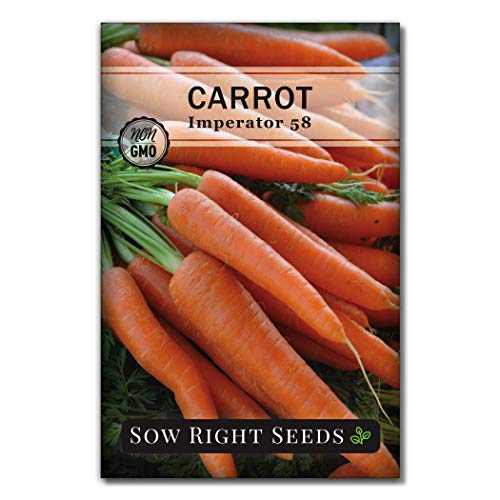
Product overview: Imperator 58 is a classic long carrot variety known for uniform shape and sweet flavor. This seed packet includes detailed planting instructions for home gardeners and promises robust germination in moderate temperatures. It is presented as a productive, gourmet option suitable for spring or fall planting in a wide USDA zone range.
Why it matters for carrot gardeners: Selecting reliable, high-quality carrot seeds is a foundational step in any carrot-centric garden. The long, slender roots may perform well in well-prepared beds with good drainage, and the variety’s compatibility with typical companion planting practices (such as with certain herbs and flowers) supports planning for pest management and soil health alongside other crops in the same bed.
Kuroda Carrot Seeds

Product overview: Kuroda is a heat-tolerant, deep-orange carrot variety known for its robust resilience and suitability for juicing. The seed packet includes non-GMO heirloom characteristics and clear planting instructions. It’s designed for home gardens and thrives in full sun with reliable germination under warm conditions.
Why it matters for carrot gardeners: Heat tolerance expands your planting window and allows for extended harvests in warmer regions. Pairing such varieties with appropriate sun exposure and soil amendments can improve root development and flavor, complementing a broader strategy of carrot-focused companion planting and crop rotation in the same growing area.
Buying Guide: Key Considerations for Planting Carrots and Their Companions
- Sun and soil: Carrots require loose, well-drained soil and full sun to partial shade. Amend soil to reduce compaction and ensure straight carrot roots. Select companions that tolerate similar conditions for seamless bed planning.
- Companion logic: Classic companions include certain herbs and flowering plants that deter pests or attract pollinators. Understanding pest pressure and flowering times helps you place companions effectively around carrot rows and in borders.
- Seed quality and variety: Choose seed packets with clear germination timelines and growing requirements. Heirloom and non-GMO options offer diverse flavors and growth habits, which can influence planting schedules and rotation plans.
- Watering and spacing: Carrot seedlings need consistent moisture for uniform root development. Follow spacing guides for each variety to minimize competition and encourage uniform shapes.
- Pollinators and biodiversity: Including flowering natives or ornamentals can improve habitat for beneficial insects. While not all are direct carrot companions, they contribute to a healthier garden ecosystem surrounding carrot crops.
- Bed planning and rotation: Rotate nightshades, alliums, and alliums-related herbs with carrots to reduce disease buildup. Plan bed layouts that accommodate successive sowings and harvests for a steady carrot supply.
- Pest management: Leverage combinations that discourage carrot pests such as carrot flies and aphids by using strategic plantings, barriers, and natural predators. Mixed planting schemes often enhance resilience.
In practice, a well-designed carrot bed might include a mix of Imperator or Kuroda carrot varieties, complemented by a border of Queen Anne’s Lace or other nectar-rich flowers to attract beneficial insects. Pairings described in classic guides, supported by seed choices from reputable suppliers, provide a solid foundation for a productive, sustainable carrot garden.
Leave a Reply