Best Commercial Food Waste Digesters for Restaurants and Facilities
For food-service operations, a reliable commercial food waste digester helps reduce waste volume, curb odors, and streamline disposal. This guide highlights five top products suited to professional kitchens, catering facilities, and large-scale operations. The picks focus on enzyme-based digester systems and indoor composting options that can work with grease traps, septic tanks, and daily waste streams. Each entry explains who it’s best for, why it was chosen, and a practical consideration to help you decide.
| Product | Best For | Key Benefit |
|---|---|---|
| ComStar 1 Gallon Enzyme Waste Digester | Small-to-mid sized commercial kitchens | Compact enzymatic formula that breaks down grease and residues |
| ComStar 5 Gallon Enzyme Waste Digester | Growing kitchens and prep areas | Stronger capacity with quick breakdown of waste streams |
| ComStar 55 Gallon Enzyme Waste Digester | Large facilities and central waste lines | High-volume digestion to reduce blockages |
| Biomaster Pet Waste Wizard BioBin Composter | Outdoor settings and mixed-use sites | Outdoor enzymatic digestion for pet waste and organics |
| Food Cycler Eco 5 | Indoor kitchens and spaces with odor control needs | Quiet, odor-reducing indoor composting of food waste |
ComStar Enzyme Waste Digester 1 Gallon
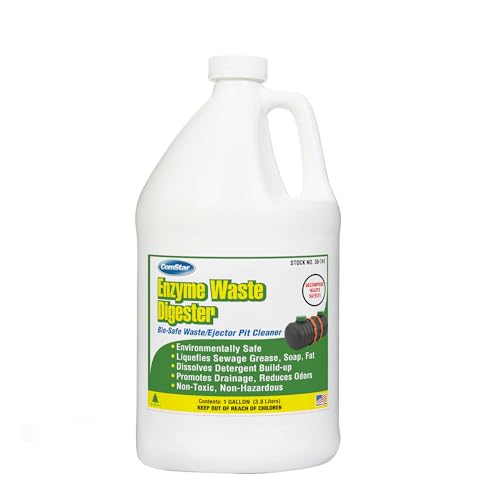
Brand: ComStar. This compact enzymatic cleaner breaks down grease, sewage, soap residue, and detergent build-up quickly. Best for small kitchens, coffee shops, or short-run catering where space is limited. It’s labeled as safe for plumbing, aiding routine maintenance without damaging pipes. Odor reduction helps keep waste areas more pleasant for staff and customers. A potential limitation is its smaller volume, which may require more frequent dosing in high-traffic periods.
ComStar Enzyme Waste Digester 5 Gallon

Brand: ComStar. Suited for mid-sized commercial kitchens or prep areas with higher waste output. The enzyme formula targets grease, sewage, and residue, helping prevent blockages and backups. It remains gentle on plumbing, supporting routine maintenance. Odor control remains a key benefit. A practical note: the 5-gallon size requires planning for storage and dispensing logistics in busy prep zones.
ComStar Enzyme Waste Digester 55 Gallon
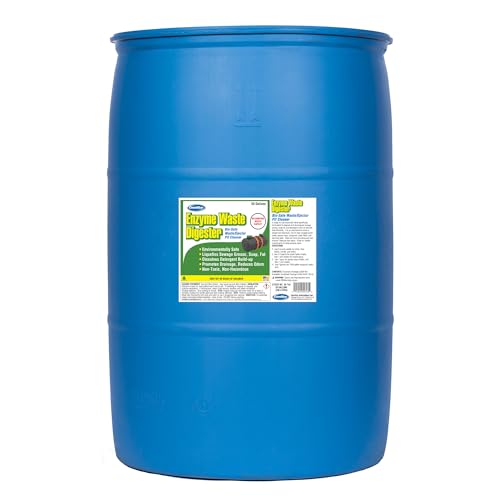
Brand: ComStar. High-volume facilities such as large kitchens, central prep areas, or multi-location operations can benefit from the 55-gallon option. The powerful enzymatic formula works on grease, sewage, and residue to keep waste systems flowing and reduce costly blockages. Best for facilities that generate substantial organic waste. Limitation to consider: bulk handling and containment require appropriate storage space and dosing planning.
Biomaster Pet Waste Wizard BioBin Composter

Brand: Biomaster. This outdoor digester system digests pet waste with enzyme sachets, making it suitable for outdoor facilities, parks, and pet-friendly commercial spaces. It reduces odors and breaks down waste efficiently, with easy installation. The product is best for operations needing an outdoor solution and ongoing supply of enzyme sachets. A caution: performance depends on regular maintenance and proper composting conditions.
Food Cycler Eco 5 Indoor Food Recycler

Brand: Food Cycler. This indoor composter converts kitchen waste into plant food without lifting a finger. It’s designed for busy homes and commercial spaces where odor and mess reduction is important. The Eco 5 operates quietly with a carbon filter to control odors. Better for facilities seeking a compact, electric option that minimizes trips to external disposal. Limitation: not all waste streams are suitable for indoor composting, and capacity is limited to the unit’s 5L bin.
Buying Guide: How To Choose A Commercial Food Waste Digester
What waste volume does your operation produce? For high-volume kitchens, choose larger-capacity digesters (55 gallons or higher) to minimize refills and labor. For smaller menus or limited space, compact enzymatic digesters (1–5 gallons) may fit best. Consider the waste type: grease-heavy streams benefit from robust enzyme formulas, while mixed waste can still be managed with general enzymatic cleaners.
What is your maintenance plan? Some digesters require routine dosing and monitoring of pumps or pumps-free designs. Ensure you have a steady supply chain for enzyme sachets if you choose Biomaster or similar systems. What about plumbing compatibility? Pick solutions specifically described as safe for plumbing to reduce risk of blockages and unintended damage.
Outdoor vs. indoor use matters. Outdoor composters like the Biomaster model excel where waste is generated away from facilities, and odor is a concern. Indoor options, such as the Food Cycler Eco 5, reduce odors and noise but may have limited capacity and specific waste acceptance criteria.
Storage and handling logistics are part of the decision. Bigger units demand more space, while smaller units require more frequent dosing. Evaluate the cost of ongoing enzyme replenishment and any disposal or maintenance supplies against the waste reduction benefits. Finally, verify compatibility with your septic system or grease-trap plan to ensure seamless operation.
FAQ
- What is a commercial food waste digester? A device or system that uses enzymes or mechanical means to break down food waste, reducing volume and odors for commercial settings.
- Which digester is best for a busy restaurant? A higher-capacity enzymatic system (such as 5–55 gallons) is typically better for busy kitchens with frequent waste generation.
- Are enzyme-based digesters safe for plumbing? Yes, if labeled safe for plumbing and used as directed, these systems help prevent blockages and protect pipes.
- Can outdoor composters handle pet waste? Yes, some models are designed for outdoor use with enzyme sachets to digest organic waste, including pet waste.
- Is indoor composting odor-free? Indoor units with carbon filtration and sealed operation minimize odors but may still require regular maintenance.
- Do I need a professional to install these digesters? Most residential or commercial units are designed for straightforward installation, but consult product guides for complex setups or high-volume systems.
Leave a Reply