Best Kitten Milk Replacers for Newborns and Orphaned Kittens
To feed kittens when a mother is unavailable, choose a milk replacement tailored to their growth needs, digestion, and immunity. This guide highlights five reliable options, clarifying who each product suits best and why. Use these picks for orphaned, nursing-challenged, or weaning kittens, and for supporting healthy growth in sensitive tummies.
Summary of chosen products:
| Product | Best For | Key Benefit |
|---|---|---|
| Hartz Powdered Kitten Milk Replacer | Orphaned or nursing kittens needing fast preparation | Quick-mix powder, calcium for bones, taurine for heart and eye development |
| PetAg KMR Kitten Milk Replacer Powder | Kittens from newborn to six weeks | Prebiotics and probiotics for digestion, complete nutrition |
| PetAg KMR Goat’s Milk Liquid | Kittens needing a liquid formula | Closest to mother’s milk in nutrients, easy to digest |
| Under the Weather Kitten Milk Replacer Powder + Colostrum | Orphaned or underweight kittens | Colostrum for immune support, gentle digestion |
| Nutri-Vet Milk Replacer For Kittens | Growing kittens needing probiotic support | Probiotics for gut health, balanced nutrition |
Hartz Powdered Kitten Milk Replacer Formula

Best for quick preparation, this powder blends with room-temperature water for on-demand feeding. It is precisely formulated to resemble a mother cat’s milk and includes calcium for strong bones, taurine for heart and eye development, and linoleic acid for healthy skin and coat. It’s a practical choice for caregivers who need fast, reliable nutrition for newborns or nursing kittens. A potential limitation is that powder formulas may require careful mixing to avoid clumps or incorrect concentrations.
Who it’s best for: new caregivers seeking a ready-to-mix solution and stable bone and organ support for growing kittens.
Whiskas Catmilk Plus Drink for Cats and Kittens

This drink offers easy-to-digest, protein-rich milk with 98% reduced lactose and added essential nutrients. It naturally supports calcium intake for healthy teeth and bones. It’s suitable for kittens who prefer a ready-to-drink option or supplementing a diet with hydration. Caution: it is a supplemental drink, not a complete kitten milk replacement, so it should not fully replace a dedicated kitten formula for newborns.
Who it’s best for: kittens that tolerate lactose-free beverages and need additional hydration alongside a solid feeding plan.
Pet-Ag PetLac Powder For Kittens

PetLac provides complete, balanced nutrition for newborns through six weeks and is easy to digest with prebiotics and probiotics. This makes it suitable for orphaned or nursing kittens, as well as thinner or older cats needing extra nutrition. A limitation is that some kittens may prefer thicker textures or different feeding temperatures, so preparation consistency matters.
Who it’s best for: kittens needing a complete nutrition base with gut-friendly ingredients and added immune support through probiotics.
PetAg KMR Goat’s Milk Kitten Milk Replacer Liquid

This liquid formula uses whole goat’s milk with added vitamins and trace nutrients to closely resemble mother’s milk. It’s highly palatable and designed for newborn kittens up to six weeks old, with a fiber blend to support digestion. Better for caregivers who prefer a liquid alternative to powders, though it may require measuring and mixing before each feeding.
Who it’s best for: kittens that respond well to liquid formulas and need a composition closest to natural milk in protein and carbohydrate balance.
PetAg KMR Kitten Milk Replacer Powder
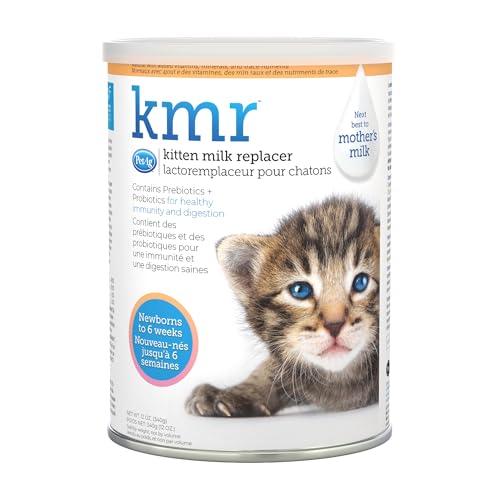
A powder version of the KMR line, this formula provides complete nutrition for kittens from newborn to six weeks. It includes prebiotics, probiotics, vitamins, minerals, and amino acids to support digestion, immunity, and healthy growth. It is a reliable, widely used option for caregiver kits. A potential drawback is the need for precise mixing to ensure optimal stool health and growth rate.
Who it’s best for: caregivers seeking a trusted, balanced powder option with added gut-support nutrients.
Under the Weather Kitten Milk Replacer Powder + Colostrum
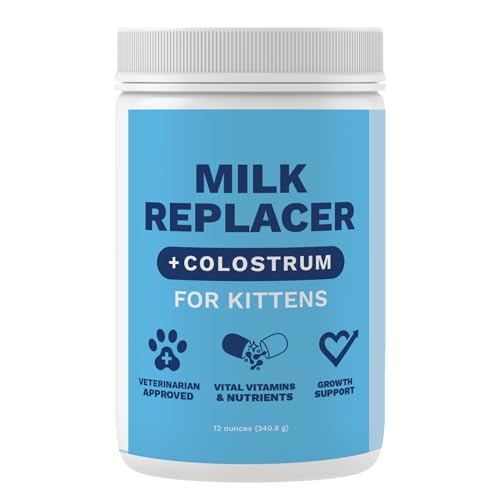
This complete milk substitute mirrors the nutritional profile of a mother’s milk and adds bovine colostrum for early immune support. It is designed for orphaned, underweight, or nursing-challenged kittens needing full-spectrum nourishment and gentle digestion. A consideration: colostrum enrichment may not simulate every nuance of maternal milk for all kittens, so monitor feeding response.
Who it’s best for: kittens needing immune-boosting support in addition to basic nutrition, especially when nursing is not possible.
Nutri-Vet Milk Replacer For Kittens

This powder provides essential protein, fats, carbohydrates, vitamins, and minerals to support newborn kittens’ growth. It includes probiotics (Opti-Gut) to promote digestion and gut health. It’s a solid option for a balanced starter kit and for households needing probiotic support. A potential limitation is that some kittens may prefer other textures or flavors, so offering options can help acceptance.
Who it’s best for: kittens requiring probiotic-assisted digestion and a veterinarian-recommended nutrition base for healthy development.
Buying Guide: Kitten Milk Replacer Essentials
What to consider when choosing a kitten milk replacer:
- Age range: Most formulas cover newborns to six weeks. Verify the specified age range on the label.
- Form: Powder vs. liquid. Powder mixes with water; liquids are ready-to-feed but may be more expensive.
- Nutrition profile: Look for complete nutrition with protein, fats, vitamins, minerals, and, if possible, prebiotics/probiotics for digestion.
- Digestive comfort: Some formulas include fiber or probiotics to support gut health; monitor tolerance and stool consistency.
- Immune support: Colostrum-enriched formulas can provide early immune support, beneficial for vulnerable kittens.
- Ease of preparation: Quick-mix options reduce prep time and allow on-demand feeding, which helps when caring for multiple kittens.
- Allergies and intolerance: If a kitten shows lactose intolerance or digestive sensitivity, consider lactose-reduced or goat-milk-based formulas.
Frequently Asked Questions
- What is the best milk replacer for a newborn kitten?
Answer: A complete kitten milk replacer designed for newborns, providing balanced protein, fats, vitamins, and minerals, is recommended. Check that it suits newborn or up to six weeks as labeled. - Can I use cow’s milk for kittens?
Answer: No. Cow’s milk does not provide the appropriate nutrition and can cause digestive upset. - How often should a newborn kitten be fed?
Answer: Many formula guidelines recommend every 2-4 hours for the earliest weeks, gradually increasing intervals as the kitten grows, under veterinary guidance. - Should I switch formulas if a kitten has digestive issues?
Answer: If digestive issues occur, consult a veterinarian. Some kittens may respond better to formulas with added prebiotics, probiotics, or different protein sources. - Is colostrum important in kitten formula?
Answer: Colostrum can provide early immune support, which may help vulnerable or orphaned kittens, though it is not a substitute for veterinary care. - Are these milk replacers suitable for pregnant or nursing adult cats?
Answer: These products are formulated for kittens, not adult cats. For pregnant or nursing cats, consult a veterinarian for appropriate nutrition guidance.
Leave a Reply