Best Bulk Hard Red Wheat for Long-Term Storage and Everyday Baking
Answering the demand for bulk, shelf-stable hard red wheat, this guide highlights five trustworthy options suited for long-term storage, home milling, and baking versatility. Each product targets different buyers: emergency prep shoppers seeking multi-decade shelf life, small-batch bakers preferring sproutable or organic options, and traditional home bakers needing large-volume staples. Below, you’ll find a quick product comparison, followed by detailed sections to help you choose the right wheat for your needs. A summary table of the chosen products is included for quick reference.
| Product | Brand | Size | Best For |
|---|---|---|---|
| Hard Red Wheat Berries (Bulk) | WHEATLAND | 25 lb | Emergency prep, long shelf life |
| Glyphosate Residue Free Hard Red Winter | Palouse Brand | 25 LBS Bag | Non-GMO, farm-fresh, organic-minded buyers |
| Wheat Montana Hard Red Winter Wheat | Wheat Montana | 50 lb | High-volume baking and milling |
| Yecora Rojo Hard Red Wheat Berries | Grand Teton | 15 lb | Artisan baking, flavorful dough |
| Organic Hard Red Spring Wheat Berries | Central Milling | 25 lb | Organic, high-protein flour milling |
Hard Red Wheat Berries: 25 Lb Bulk For Long-Term Storage

Best For: Emergency prep enthusiasts and bulk buyers needing a 30-year shelf life when stored in Mylar with oxygen absorbers. The Wheatland bulk wheat berries are presented as a single-ingredient staple designed for long-term storage and eventual milling into flour. The included Mylar packaging is engineered to minimize air and moisture ingress over decades. This option suits families prioritizing readiness and large-volume staple foods, especially when you want a dependable grain supply for the long haul.
What makes this standout: The product emphasizes real-food nutrition from a single ingredient and is tied to a multi-decade storage claim supported by the Mylar-oxygen absorber approach. It’s best for buyers who value packaging longevity and a straightforward storage solution rather than quick-use fresh options. A potential limitation is the reliance on storage conditions; avoid this if you expect frequent immediate milling without opening the Mylar.
Selected for: Bulk households, disaster-preparedness planners, and anyone aiming for shelf-stable, high-protein wheat berries. Best used after milling or grinding into flour for breads, tortillas, or porridge.
Palouse Brand Glyphosate Residue Free Hard Red Winter Wheat Berries – 25 LBS

Best For: Buyers seeking glyphosate-residue-free, Non-GMO-certified wheat berries from a family-run brand. This 25-pound bag is positioned for home bakers and small-scale mills who prioritize farm-to-table authenticity and sustainable farming practices.
Why chosen: Palouse Brand emphasizes Non-GMO Project Verification, Kosher Parve status, and sustainable farming. The product’s farm-to-table approach is a strong fit for those who want traceability and a clear agricultural origin. Limitation: The data does not guarantee a sproutable status at this size; use for milling flour or cooking rather than sprouting if you need consistent sprouting results.
Palouse Brand Glyphosate Residue Free Hard Red Winter Wheat Berries – 25 LBS Bag

Best For: Similar to the 5-lb option, this larger bag targets bulk buyers who want consistent quality with glyphosate-free assurance. It’s well suited for large-batch baking, community kitchens, or upscaling home milling operations.
Why chosen: The product highlights non-GMO verification and a farm-farmed origin in Washington. The emphasis on a multi-step cleaning process and direct packaging supports reliability for long-term storage and flour milling. Caution: As with any bulk grain, ensure crisp, dry storage conditions to prevent moisture-related quality decline.
Wheat Montana Farms Hard Red Winter Wheat 50lb
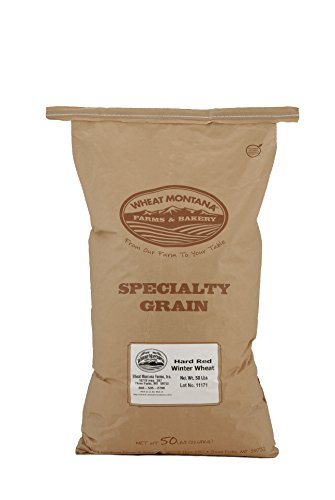
Best For: High-volume bakers and millers who need a robust, natural wheat staple for bread-making and daily baking. The 50-pound bag is designed for frequent usage without reordering often.
Why chosen: The product claims 100% all natural with no preservatives or additives, which appeals to buyers seeking simple, minimally processed ingredients. Limitation: The listing does not specify shelf-life details or packaging technology beyond standard storage—consider additional packaging improvements for ultra-long-term storage.
WHEATLAND Organic Hard Red Wheat Berries – 20lb Bucket

Best For: Organic-focused buyers who want a sproutable, organic-certified hard red wheat berry option stored in a sealable bucket. It’s suitable for sprouting enthusiasts and pantry organizers prioritizing organic production.
Why chosen: The listing mirrors the bulk Wheatland ethos, including long shelf life, Mylar sealing, and oxygen absorbers. The organic certification adds a different value proposition for those avoiding synthetic inputs. Caution: Organic certification can come with higher price points and availability constraints compared to conventional options.
Yecora Rojo Hard Red Wheat Berries – Grand Teton Organic

Best For: Artisan bakers and traditionalists seeking a rich, nutty flavor with good gluten content for breads and doughs. The 15-pound size is convenient for smaller households or test-baking batches.
Why chosen: The Yecora Rojo choice emphasizes premium organic farming and a strong nutritional profile. It’s ideal for those who value flavor complexity in their doughs. Limitation: Smaller bag size may require more frequent reorder for high-volume users.
100% Organic Hard Red Spring Wheat Berries – Central Milling

Best For: Organic-minded bakers looking for high-protein wheat berries ideal for milling into flour or using in grain salads and porridges. The 25-pound size balances bulk storage with manageable usage.
Why chosen: Central Milling emphasizes organic farming, clean processing, and laser-sorted quality. This option is well-suited for those who want reliable organic sourcing and high protein content in their milled flour. Caution: As with other organic lines, price may be higher and shelf stability depends on proper storage conditions.
Buying Guide: Key Considerations For Bulk Hard Red Wheat
- Storage life and packaging: Look for Mylar-lined containers with oxygen absorbers for extended shelf life, especially if you plan long-term storage. Consider whether you’ll mill now or later.
- Organic vs. conventional: Organic options reduce exposure to synthetic pesticides but may cost more and be less available in very large sizes.
- Protein content and milling use: High-protein hard red wheat is ideal for bread and dough with strong gluten. If you plan to bake bread, prioritize high-protein sources and consider milling fresh flour for best gluten development.
- Glyphosate residue status: If glyphosate exposure is a concern, preferred brands indicate glyphosate-free testing and verification.
- Sproutability and storage: Some products advertise sproutable berries; this is great for sprout enthusiasts but may affect storage expectations. Ensure the product matches your culinary plans.
- Size and frequency of reorder: For households with high consumption, larger bags reduce reorder frequency but require more storage space and proper moisture control.
- Origin and farming practices: Farmed-in-region options offer traceability; consider brands with transparent sourcing and family-farm partnerships if this matters to you.
Frequently Asked Questions
- What is hard red wheat ideal for?
- How should bulk wheat berries be stored for long-term use?
- Is glyphosate residue a concern with these products?
- Do these products come sproutable?
- What size is best for a small family vs. a large household?
- Should I choose organic or non-organic for bulk wheat?
Hard red wheat has a higher protein content and gluten strength, making it ideal for bread dough and baked goods with good risen structure.
Store in a cool, dry place, ideally in Mylar-lined buckets with oxygen absorbers to extend shelf life up to decades depending on conditions.
Some brands advertise glyphosate-free or Non-GMO verification, which reduces exposure concerns for those prioritizing organic practices.
Some options are sproutable; check each listing’s specifics. Sproutability can influence storage and handling expectations.
Smaller families may prefer 15–25 lb bags or sproutable 5–15 lb options, while larger households and emergency-prep buyers often favor 25–50 lb bags or bulk buckets.
Organic options appeal to buyers seeking certified organic farming and avoidance of synthetic inputs; non-organic options may be more affordable and widely available in bulk.
Note: This article presents information based on the listed product features and descriptions. For precise storage instructions, nutritional details, and certification statuses, refer to the product pages and official documentation.
Leave a Reply