Best Anti Colic Formula Bottles for Easier Feeding and Fewer Spits
Choosing the right anti-colic bottle can help reduce gas, spit-up, and fussiness during feeds. This guide compares top-rated options designed to minimize air intake and deliver formula smoothly. Each pick below includes a quick highlight, so you can compare at a glance and choose the best fit for your baby’s needs.
The table below summarizes five highly regarded anti-colic bottles featured in this article, including brand, capacity, and a standout feature.
| Product | Brand | Capacity | Key Benefit |
|---|---|---|---|
| PopYum 9 oz Blue Anti-Colic Bottle | PopYum | 260 ml | One-hand operation with separate formula/water storage |
| PopYum 9 oz Pink Anti-Colic Bottle | PopYum | 260 ml | Same one-hand design and isolation of liquids |
| Philips Avent Anti-Colic Bottle with AirFree Vent | Philips Avent | 9 oz | AirFree vent keeps nipple full of milk |
| Dr. Brown’s Natural Flow Anti-Colic Options+ 4-Pack | Dr. Brown’s | 5 oz each | Internal vent system reduces colic and gas |
| MAM Easy Start Anti-Colic Bottle | MAM | 0-3 months friendly | Vented base for minimized air intake and easy cleaning |
PopYum 9 oz Blue Anti-Colic Bottle

Includes three 9-ounce bottles with #2 medium flow anti-colic nipples and a funnel to simplify loading formula. The design stores formula and water separately, enabling one-handed operation. When feeding time arrives, pressing the buttons activates the agitator and releases liquid into the nipple area, reducing contact with water chamber components and helping maintain a clean system. The bottle’s isolation of breast milk or water at the bottom minimizes exposure to vent points until feeding begins.
Key features: three-pack, BPA-free, one-hand use, isolates breast milk/water, anti-colic vent considerations. This option is aimed at caregivers prioritizing a streamlined, single-handed feeding process with reduced mixing mess.
PopYum 9 oz Pink Anti-Colic Bottle

Similar to the blue version, this pink variant includes the same three-pack setup with #2 medium flow anti-colic nipples and a funnel for easy loading. It uses the same one-hand operation principle, storing formula and water separately and releasing milk into the nipple area with a press of thePop button. The design emphasizes clean separation to reduce contamination risks and supports a comfortable feeding routine for caregivers multitasking or soothing an infant.
Key features: BPA-free, one-hand use, formula/water separation, anti-colic vent mechanics, nipple isolation from water chamber.
Philips Avent Anti-Colic Bottle with AirFree Vent
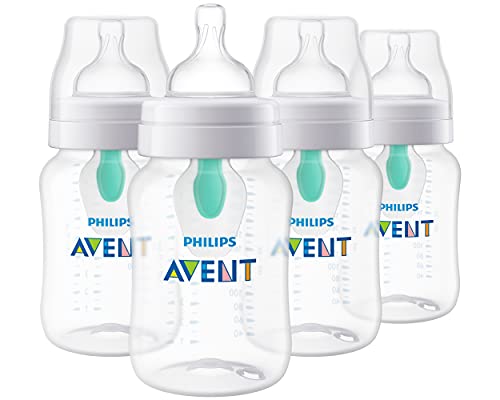
This 9-ounce bottle features Philips Avent’s AirFree vent to keep the nipple full of milk rather than air, which can help reduce swallowed air and associated gas. It’s well-regarded for addressing common feeding issues like colic and reflux. The bottle is praised in parenting publications for minimizing gas and supporting a smoother feeding experience. The vent design helps maintain a steady flow that matches baby’s natural pace during feeding.
Key features: AirFree vent, anti-colic design, consistent milk flow, small-batch award recognition, 4-pack option available.
Dr. Brown’s Natural Flow Anti-Colic Options+ 4-Pack
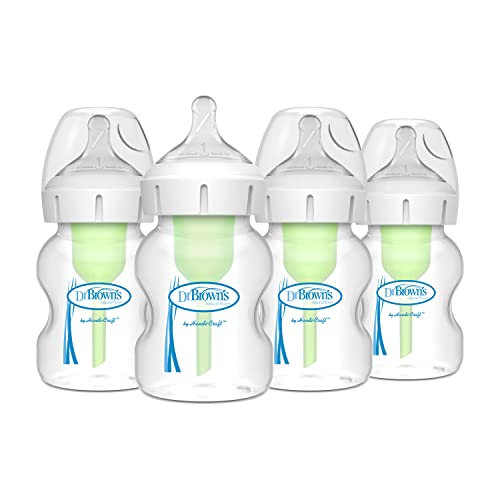
These bottles utilize an internal vent system designed to reduce colic, gas, and spit-up by minimizing vacuum and air ingestion. The vented design supports a bottle flow that stays steady as babies feed, which can help with digestion and sleep quality for infants. Dr. Brown’s is known for preserving nutrients by allowing the vent to function without disrupting feeding, and many parents report improvements in feeding calmness and overall dentition comfort for infants.
Key features: anti-colic vent system, vacuum-free feeding, consistent flow, nutrient preservation benefits, widely recommended for gassy babies.
MAM Easy Start Anti-Colic Bottle

The MAM bottle uses a vented base to reduce air intake and associated colic. It is designed to be breastfeeding-friendly with a nipple feel and shape similar to a mother’s, which can help with preemies and newborns transitioning to bottle feeds. The bottle is noted for being self-sterilizing in minutes and dishwasher-safe, with a removable base simplifying cleaning. The dual goals are easing gas and enabling quick, safe cleaning routines for busy families.
Key features: vented base, breastfeeding-like nipple, self-sterilizing, dishwasher-safe, easy cleaning.
Buying Guide: Key Purchase Considerations
When evaluating anti-colic bottles, consider the following aspects to determine the best fit for your baby and lifestyle:
- Ventilation system: Internal vents or AirFree technology can reduce air intake, potentially lowering colic symptoms. Compare how the vent interacts with the nipple and flow rate.
- Flow rate and nipples: Nipples come in various flow levels. Choose a setting appropriate for your baby’s age and feeding pace to avoid over- or under-feeding.
- One-handed operation: Some bottles feature mechanisms to load formula and feed with one hand, which can be a big convenience for multitasking caregivers.
- Material safety: Look for BPA-free plastics or alternatives, easy cleaning, and dishwasher-safe parts. Ensure all components are durable and easy to sanitize.
- Milk separation design: Bottles that keep breast milk separate from formula or water until feeding can reduce contamination and allow for precise mixing.
- Cleaning and maintenance: Fewer parts generally simplify cleaning. Self-sterilizing options can save time for busy families.
- Size and age range: 0-3 months vs. 3+ months bottles may differ in nipple design and flow. Start with age-appropriate bottles and adapt as the baby grows.
- Durability and value: Multi-pack options may provide better value, particularly for families planning to use bottles for an extended period.
- Caregiver preference: Some caregivers prefer bottles that closely mimic breastfeeding, while others prioritize minimal air intake or ease of cleaning.
Bottom line: The best anti-colic bottle balances effective ventilation with a comfortable feeding experience, easy cleaning, and matching the caregiver’s routine. Consider trying a couple of options that align with your baby’s feeding style to determine which one provides the most noticeable reduction in colic-like symptoms.
Leave a Reply