Best 88% Dark Chocolate Options for Serious Cocoa Lovers
Answering the question for cocoa enthusiasts: the best 88% dark chocolate choices balance bold intensity with smoothness, offering rich fruit notes and a clean finish. Ideal buyers include purists who want high cacao content without overwhelming bitterness, those seeking an occasional refined snacking chocolate, and shoppers looking for ethically sourced options. Below are five top picks that align closely with 88% cocoa flavor profiles, plus a practical buying guide to help you compare strength, texture, and sourcing at a glance.
| Product | Brand | Approximate Cocoa % | Best For |
|---|---|---|---|
| Chocolove Extreme Dark Chocolate Bars | Chocolove | 88% | Purist snacking; shared moments |
| Endangered Species Extreme Dark 88% Cocoa | Endangered Species Chocolate | 88% | Ethical sourcing with conservation impact |
| Ghirardelli Premium Dark 86% Cacao | Ghirardelli | 86% | Bold, accessible dark notes |
| ChocZero 92% Cocoa Sugar Free | ChocZero | 92% | Low-sugar, keto-friendly dark chocolate |
| Lindt Excellence 90% Cocoa | Lindt | 90% | Prestige chocolate for gifting or baking |
Chocolove Extreme Dark Chocolate Bars

Chocolove’s 88% cocoa bar delivers a rich yet approachable profile with fruit-like notes and extra cocoa butter for a smoother finish. Best for: readers who want a balanced, refined dark chocolate that’s easy to savor in quiet moments or share with friends. Limitations: flavor tends toward smoothness rather than a razor-sharp bitterness, which might be less intense for some purists.
Key features: rich but not overly intense 88% cocoa; premium dark chocolate; ethically sourced ingredients and sustainability focus. This option is well-suited for those who value a nuanced cacao character with a creamy texture.
Endangered Species Extreme Dark 88% Cocoa

Endangered Species Chocolate combines bold 88% cocoa with a smoother texture and a conscious mission: profits support orca conservation via 4ocean partnerships. Best for: shoppers who want a strong chocolate experience while supporting environmental causes. Caution: some may find the flavor too robust for lighter snack moments.
Key features: bold 88% cocoa intensity; non-GMO and Fairtrade certified; Kosher and gluten-free; supports ocean conservation efforts. Chosen for those who prioritize ethical sourcing alongside a cacao-forward profile.
Ghirardelli Premium Dark 86%

Ghirardelli’s 86% cacao bar offers a deep, robust flavor with subtle cherry and plum notes, delivering a bold experience that remains approachable. Best for: fans who want a strong dark chocolate with classic accessibility. Limitation: it’s slightly below 88% cacao, but sits in the same high-cocoa category for comparison purposes.
Key features: bold, complex flavor; deep cacao notes; versatile for snacking, gifting, or baking. This choice is ideal when you want a strong profile without venturing into ultra-extreme cocoa levels.
ChocZero 92% Cocoa Sugar Free

ChocZero’s 92% cocoa squares push into upper-level intensity, with monk fruit sweetener to maintain zero sugar per serving. Best for: low-sugar, keto-friendly chocolate lovers who still want a strong cacao bite. Caution: higher percentage may emphasize bitterness for some palates; sugar-free format may influence mouthfeel differently than conventional bars.
Key features: very high cacao content; sugar-free with monk fruit; zero net carbs per piece and high fiber. This option is best when strict sugar limits are a priority without sacrificing flavor depth.
Lindt Excellence 90% Cocoa
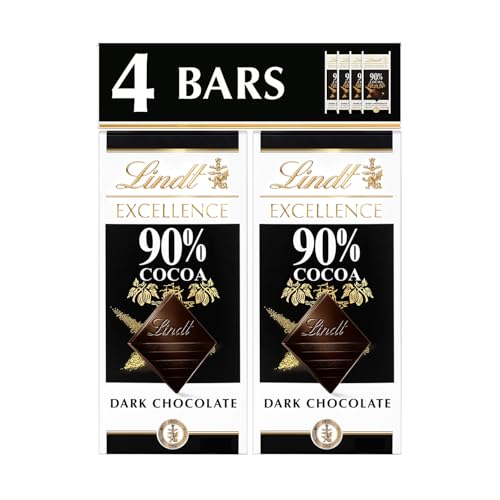
Lindt’s 90% dark chocolate bar presents a sleek profile with robust chocolate notes and a silky texture. Best for: gifting, after-dinner enjoyment, or baking where a premium dark chocolate is desired. Caution: the 90% strength may be too intense for casual snacking if you prefer milder dark chocolate.
Key features: well-balanced, intense cocoa flavor; silky bite; multi-use bar for dessert pairings and recipes. Chosen for its refined finish and consistent quality in the premium segment.
The Buying Guide: How to Choose 88% Dark Chocolate
- Flavor intensity: If you want a bold, room-temperature bite, prioritize bars labeled 88%–92% cacao. For smoother, more accessible flavor, consider 85%–86% options.
- Texture and mouthfeel: Look for bars that mention cocoa butter or creamy lecithin blends to gauge smoothness. Higher cocoa content can feel drier unless balanced.
- Origin and ethics: If sustainability matters, choose brands with Fairtrade, non-GMO, or conservation initiatives. Consider ethical sourcing as part of value rather than a mere extra.
- Sugar and additives: Sugar-free options exist within high percentages, often using natural sweeteners like monk fruit. Decide if sugar-free fits your diet or taste preference.
- Usage scenarios: For gifting, Lindt 90% or Endangered Species bars provide an elegant option. For baking, a strong base chocolate like 86%–90% works well with sweet ingredients.
- Allergen considerations: Check certifications such as gluten-free or Kosher if needed. Some bars use shared facilities; verify if cross-contact is a concern.
Frequently Asked Questions
- What does 88% cocoa indicate about flavor?
It signals a high cacao concentration with pronounced bitterness balanced by cocoa butter, yielding a rich, intense chocolate profile with nuanced fruity or roasted notes.
- Is 88% chocolate suitable for baking?
Yes, but adjust sugar levels in recipes to compensate for the strong cacao; it pairs well with berries and dairy flavors.
- Are these bars ethically sourced?
Several brands on the list emphasize ethical sourcing and conservation partnerships; check each product’s certification to confirm specifics.
- What’s the difference between 86%, 88%, and 90% cacao?
The percentage reflects cacao content; higher percentages generally mean more intense flavor and less sweetness, plus a potentially more bitter bite.
- Can I consume 92% chocolate if I’m new to dark chocolate?
92% tends to be very bold; beginners may prefer 85%–90% to acclimate to darker tones gradually.
Leave a Reply