Best Organic Protein Powders for Clean, Plant-Based or Grass-Fed Shakes
Answering the common question “which organic protein powder should I choose?” this guide highlights five well-rounded options that fit different dietary needs. The list includes grass-fed whey for dairy-focused athletes and vegan blends for plant-based diets, with a focus on clean ingredients and simple sourcing. Best for athletes seeking minimal ingredients, best for strict organic standards, and best for gut-friendly blends are covered here. Each product is described with who it’s best for and why, plus a practical caution where relevant. Use this quick reference to compare protein content, ingredients, and sustainability considerations.
| Product | Best For | Why It Stands Out |
|---|---|---|
| Raw Grass Fed Whey Protein Powder, Unflavored – 5 lb | Clean dairy protein fans | Single-ingredient, grass-fed whey; tested for purity; USA-sourced |
| NAKED Whey 2LB 100% Grass Fed Whey Protein Powder | Pure whey enthusiasts | One ingredient; NSF Certified; non-denatured |
| Orgain Organic Vegan 21g Protein Powder, Vanilla Bean | USDA Organic, plant-based | Plant blend with 9 essential amino acids; low sugar |
| Orgain Organic Vegan Protein Powder, Creamy Chocolate Fudge | Flavor-forward vegan protein | 21g plant protein; prebiotic fiber; organic |
| Orgain Organic Vegan 21g Protein + Superfoods Powder | Protein plus nutrition boost | 50 organic superfoods blend; vegan and organic |
Raw Grass Fed Whey Protein Powder, Unflavored – 5 lb
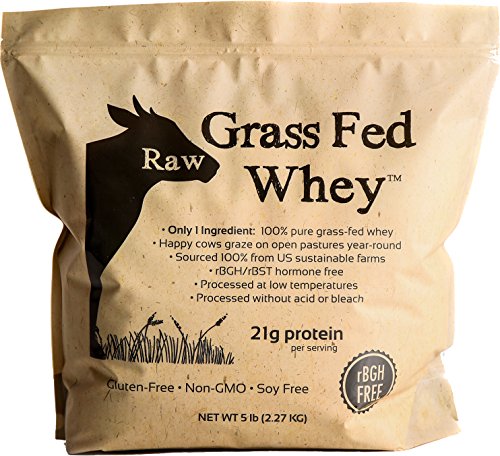
Best for: dairy-focused athletes seeking a pure protein source. Why selected: this product contains a single ingredient—100% pure grass-fed whey—with no sweeteners, flavors, soy lecithin, gums, or fillers. It’s third-party tested for purity and heavy metals, and the brand sources milk from small American family farms. Caution: as an unflavored whey, some users may prefer a neutral taste that can mix less smoothly with certain liquids.
Raw Organic Whey Protein Powder, Grass Fed, Unflavored – 5 lb

Best for: buyers who want USDA organic whey with a grass-fed focus. Why selected: features 100% USDA Organic whey with one ingredient, sourced from sustainable small farms in the U.S., and third-party tested for purity and heavy metals. It’s non-GMO, hormone-free (rBGH/rBST), and antibiotic-free. Caution: organic whey can be pricier and may not be ideal for those avoiding dairy.
NAKED Whey 2LB 100% Grass Fed Whey Protein Powder

Best for: purists who want a stripped-down whey with no additives. Why selected: only one ingredient—100% grass-fed pure whey. NSF certified for purity and safety, with a profile of 25g protein, 2g sugar, and 5.9g BCAAs per serving. Caution: while no additives helps purity, some users may miss flavorings or sweeteners.
Orgain Organic Vegan 21g Protein Powder, Vanilla Bean

Best for: those seeking a clean organic vegan protein with a pleasant vanilla flavor. Why selected: 21g protein per serving from organic peas, brown rice, and chia seeds with 6g of prebiotic fiber, USDA Organic and plant-based verified, no gluten, soy, dairy, or artificial additives. Caution: flavor variants can be preferred; natural taste may vary with water or milk alternatives.
Orgain Organic Vegan Protein Powder, Creamy Chocolate Fudge

Best for: flavor-forward vegan protein without dairy. Why selected: 21g plant protein per serving from pea, brown rice, and chia with 6g prebiotic fiber; vegan, gluten-free, kosher, non-GMO; no carrageenan or lactose. Caution: chocolate flavor may introduce trace cocoa flavors that might not suit all preferences.
Orgain Organic Vegan Protein Powder, 21g + Superfoods Vanilla Bean
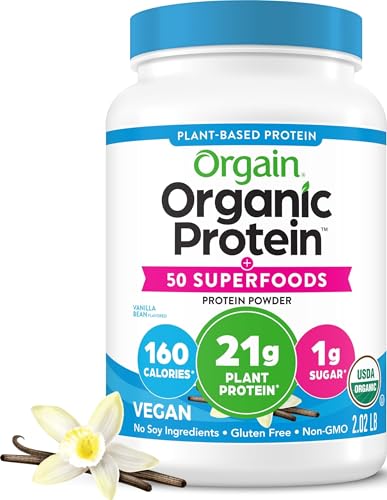
Best for: those who want a protein boost plus extra nutrition from superfoods. Why selected: blends 21g protein with 50 organic superfoods, plus 8g prebiotic fiber per serving, USDA Organic and plant-based, no soy and non-GMO. Caution: superfoods blend adds complexity to flavor and texture; monitor fiber intake if sensitive.
Buying Guide: Key Purchase Considerations
- Diet type: Choose dairy-based whey for higher biological value or vegan blends for plant-based diets and lactose sensitivity.
- Ingredient simplicity: Unflavored options minimize additives; flavored variants are convenient but may contain sweeteners.
- Certifications: Look for USDA Organic, NSF Certification, and non-GMO verification to ensure quality standards.
- Allergen considerations: Soy-free and gluten-free options help with common intolerance profiles.
- Nutritional goals: Check protein grams per serving, net carbs, and presence of prebiotic fiber or superfoods for gut support.
- Source and sustainability: Preference for products sourced from small farms or sustainable practices may influence taste and ethics.
Frequently Asked Questions
- What is the difference between grass-fed whey and vegan protein?
Grass-fed whey is dairy-based with complete amino acids; vegan blends use plant proteins and may include fibers or prebiotics. - Are organic protein powders always better?
Organic certification ensures farming standards, but purity and fit depend on ingredients and dietary needs. - Should I choose unflavored or flavored protein powder?
Unflavored minimizes additives; flavored varieties improve palatability but may include sweeteners. - What should I look for in a protein powder’s ingredients?
Minimal ingredients, absence of artificial colors, flavors, and preservatives, plus third-party testing. - Is NSF certification important?
NSF verifies purity and safety, which can reduce concerns about contaminants.
Leave a Reply