Best No-Lactose Whey Protein Options for Clean Gains
If you’re searching for no-lactose whey protein, you’re looking for a powder that delivers the protein you need without the digestive discomfort lactose can cause. The following five options prioritize minimal or no lactose, are suitable for various fitness goals, and emphasize clean ingredient profiles. This guide helps you pick the right powder based on texture, flavor options, and digestion tolerance.
| Product | Lactose Consideration | Best For |
|---|---|---|
| Naked Whey Isolate Protein (Two Ingredients) | Less than 0.1g lactose per serving | People who want a minimal-ingredient, clean isolated whey |
| Naked Vanilla Whey Isolate Protein (Vanilla) | Less than 0.1g lactose per serving | Those who want a natural vanilla flavor with minimal additives |
| Transparent Labs Grass-Fed Whey Protein Isolate | Low lactose by design; clean profile | Digestive-sensitive athletes needing a clean label |
| Nutricost Whey Protein Isolate (Unflavored) | Isolate-based; low lactose due to processing | Unflavored, versatile add-to smoothies or recipes |
| Healthier Comforts Lactose Free Milk Protein Concentrate | Lactose-free by design (contains casein and whey) | Dairy-sensitive users seeking a lactose-free option |
NAKED Whey Isolate Protein — Two Ingredients
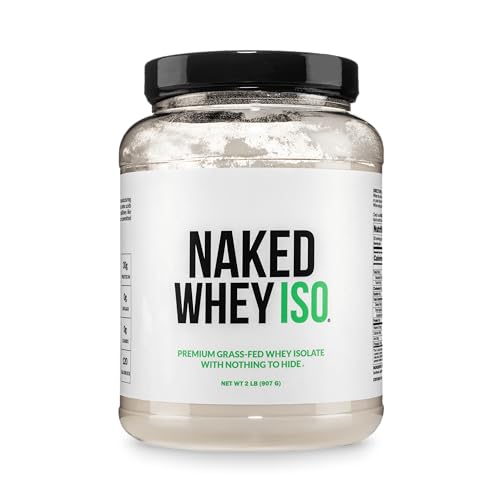
Origin and ingredients drive this option. Best for buyers who want a minimalist formula with no artificial additives. This product contains only Grass-Fed Whey Protein Isolate and Sunflower Lecithin to aid solubility. It is GMO-Free, Soy Free, Gluten-Free, and contains less than 0.1g of lactose per serving, making it a strong choice for those with mild lactose sensitivity. Additionally, it provides 30g of protein per serving and 8.4g of BCAAs. Best for: athletes seeking clean protein without added flavors or sweeteners. Limitation: flavor options are essentially non-existent, which may affect palatability for some users.
Dymatize ISO100 Protein Powder — Gourmet Vanilla

This product is designed to support rapid protein absorption with small peptides and low lactose. It’s a versatile option for a broad audience, including beginners and long-time athletes. Best for: those who want a high-quality, quick-digesting whey isolate. Limitation: the formulation targets general protein quality; some users with lactose intolerance should check individual tolerance, as lactose content may vary by batch or flavor.
Optimum Nutrition Gold Standard Whey — Vanilla Ice Cream
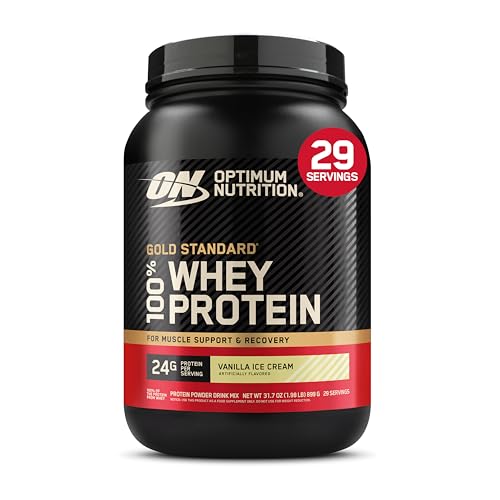
While not explicitly lactose-free, this powder is a staple in many training routines due to its broad acceptance and complete amino acid profile. Best for: athletes seeking a reliable, widely available whey protein with solid post-workout support. Caution: for those with lactose sensitivity, verify tolerance and flavor choice; servings can vary slightly in lactose content depending on batch and flavor.
NAKED Whey 2LB — Grass Fed, Single Ingredient

This powder contains a single ingredient: 100% Grass-Fed Pure Whey Protein. It’s NSF Certified for purity and safety and includes 25g of protein per serving with 0g sugar and only 3g carbs. Best for: purists who want a straightforward protein source with minimal additives. Limitation: fewer flavor options since this product focuses on a clean, single-ingredient profile.
NAKED Vanilla Whey Isolate — Four Ingredients

This vanilla option adds Natural Vanilla Extract, Fermented Reb-M from stevia leaves, and Sunflower Lecithin to the whey isolate, while avoiding artificial sweeteners and colors. Best for: fans of natural vanilla flavor who still want a low-lactose, clean protein profile. Limitation: slightly more ingredients than a two-ingredient option, which may matter to those prioritizing ultra-simplicity.
Buying Guide: Key Considerations for No-Lactose Whey Protein
What to check before buying:
- Lactose content: Look for products reporting minimal lactose or lactose-free formulations. Isolates typically have less lactose than blends or concentrates.
- Ingredients: Favor clean labels with few additives. If you want flavor, choose natural flavor options and avoid artificial sweeteners when possible.
- Protein per serving: Compare protein grams per scoop to gauge value, especially when calories are a factor for your goals.
- Digestibility: Some powders use processing methods or enzymes to improve digestibility for lactose-sensitive individuals.
- Source and processing: Grass-fed or milk from specific regions can influence taste and nutrient profile. NSF or third-party certifications add confidence in purity.
- Flavor and mixability: Consider whether you prefer unflavored, vanilla, or other flavors and how easily the powder dissolves in water or milk alternatives.
- Allergen considerations: Check for soy-free, gluten-free, and non-GMO claims if you have additional dietary restrictions.
FAQ: No-Lactose Whey Protein
- What does “no lactose” mean on whey protein?
It typically indicates very low lactose content, often from whey protein isolate, which is processed to remove most lactose.
- Is whey protein lactose-free or just low lactose?
Most no-lactose options are low lactose rather than completely lactose-free. If you have severe lactose intolerance, seek explicitly lactose-free dairy alternatives or plant-based proteins.
- Which no-lactose whey is best for digestive comfort?
Whey isolates with minimal lactose, such as Naked Whey Isolate or Naked Vanilla Whey Isolate, are often preferred for digestibility.
- Can I use no-lactose whey protein for baking or recipes?
Yes, many no-lactose isolates work well in smoothies, shakes, and baking. Unflavored options give you more control over taste.
- Are there non-dairy alternatives if I’m extremely lactose-sensitive?
Yes. Look for plant-based proteins like pea, rice, or blends designed to be dairy-free, along with lactose-free dairy options if tolerated.
- How do I choose among these products?
Consider your goals (muscle gain, fat loss, post-workout recovery), tolerance, flavor preference, and whether you value minimal ingredients or additional nutrients in a blend.
Leave a Reply