Best Low Calorie Rose Wines for Light, Fresh Sips in Any Season
When searching for the best low calorie rose wines, look for options with lighter body, lower sugar, and crisp acidity. The following five picks suit different preferences—from alcohol-free alternatives to dry Provence-style rosés—so you can find a satisfying glass without a heavy calorie load. The table below highlights what each option brings to the table and who it’s best for.
| Product | Best For | Notes |
|---|---|---|
| Lussory Premium Rose (0.0% ABV) | Zero-alcohol option; non-drinker or driving nights | Dealcoholized; bright fruit notes; from La Mancha, Spain |
| Chateau Ste. Michelle Rose | Classic rosé lovers; food pairing | Columbia Valley; dry, bright finish |
| Globerati Rose | Flavorful, value-minded rosé | Italy; fresh strawberry hints; crisp acidity |
| Barefoot Rose | Casual sipping; versatile pairing | Refreshing watermelon/strawberry flavors |
| Whispering Angel Rose | Provence-style elegance | Very pale, dry; classic rosé profile |
Lussory Premium Rose Alcohol Removed 0.0% Dealcoholized

Best for: Zero-alcohol options and those avoiding any alcohol intake. This product is crafted as a rose wine substitute with 0.0% ABV, making it suitable for non-drinkers or moments when driving. It uses a Spanish blend from La Mancha (Airen and Tempranillo) and undergoes dealcoholization after fermentation to retain fresh fruit character. Tasting notes highlight banana, pineapple, and other bright fruits, finished with tangy acidity. A potential limitation is that the experience centers on a non-alcoholic profile rather than the full wine complexity; expect a lighter mouthfeel and heightened fruit-forwardness.
Chateau Ste. Michelle Rose, 750 mL

Best for: Classic, food-friendly rosé with a versatile finish. This dry rosé from the Columbia Valley emphasizes bright aromas and a crisp finish, with a balanced, lighter body. The 12.5% alcohol content makes it suitable for a range of occasions—from porch sips to pairing with light meals. A limitation is that the flavor profile leans toward dry, which may be less appealing to those craving sweeter notes.
Globerati Rose, 750 mL
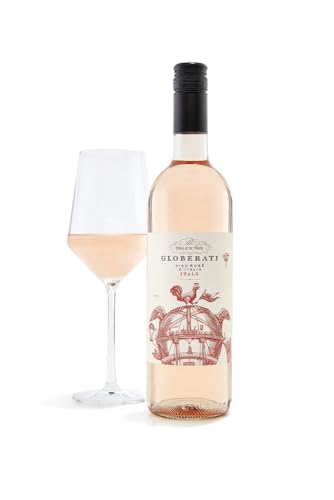
Best for: Flavor-conscious buyers seeking a lively Italian rosé with crisp acidity. Globerati Rose offers a strawberry-forward note and a refreshed finish that pairs well with lighter meals or a cheese board. The wine’s acidity helps balance fruit sweetness, making it a flexible choice for aperitifs. A potential limitation is that the flavor emphasis may skew toward fruit rather than mineral or herbal notes some rosés offer.
Barefoot Rose, 750 mL

Best for: Casual sippers and social gatherings. Barefoot Rose is known for light, refreshing flavors of watermelon and strawberries, which makes it approachable and easy to enjoy with various foods. A limitation to note is that vintage variations can subtly affect sweetness and acidity, so the flavor profile may differ from bottle to bottle.
Chateau D’Esclans Whispering Angel Rose, 750 mL

Best for: Provence-inspired elegance with a dry finish. Whispering Angel, imported from Côtes de Provence, is pale in color and dry, emphasizing a refined rosé character. It is a solid choice for those who prefer a crisp, refined sipping experience that pairs well with seafood, salads, and light poultry dishes. A caution is that it can be pricier than other options, which may impact value-focused buyers.
Buying Guide: Key Purchase Considerations
What style do you want? Rosé spans from bone-dry to lightly sweet. Dry rosés emphasize acidity and mineral notes, while off-dry options highlight fruit-forward flavors. Consider pairing needs: lighter wines for salads and seafood, or fruit-forward options for tapas and appetizers.
Is the alcohol content important? If you want a lightweight experience, select wines in the 11–13% ABV range. For non-drinkers, a zero-alcohol option like the Lussory can fit the bill, though it lacks traditional alcohol flavor.
Region and grape impact: Provence rosés tend to be very dry with crisp acidity and pale color, while Spain and Italy can deliver brighter fruit or slightly more body. Grape composition (Grenache, Syrah, Cinsault, Tempranillo, etc.) informs aroma and finish.
Price and value: In rosés, price can reflect region and method. Provence wines often command premium, while Italian and Spanish options can provide notable value per bottle without sacrificing drinkability.
Storage and serving: Chill rosés to 45–55°F (7–13°C) before serving. Opened bottles are best consumed within 3–5 days with proper resealing and refrigeration. Higher-acidity wines can benefit from a glass that retains aroma and freshness longer.
FAQ
- What is the best low-calorie rosé? The best choice depends on preference for dry vs. fruity notes; options range from light, dry Provence-style rosés to fruit-forward Italian and Spanish wines. For zero-alcohol needs, consider a dealcoholized option like Lussory.
- Do low-calorie rosés taste as good as regular rosés? Many offer excellent refreshing qualities and pair well with meals, though some may have lighter body or altered flavor due to reduced alcohol or sugar.
- Which rosé pairs best with seafood? Dry, high-acid rosés from Provence or Columbia Valley styles typically pair well with seafood and light salads.
- How should I store rosé wine? Store upright in a cool, dark place prior to opening; refrigerate after opening and finish within a few days for best flavor.
- Is zero-alcohol rosé suitable for all diets? Zero-alcohol options avoid ethanol but can vary in calories and flavor; check the label for nutritional details if needed for dietary restrictions.
- Is there a significant flavor difference between regions? Yes. Provence rosés tend to be lighter and drier; Spanish and Italian rosés often offer brighter fruit and, depending on style, varying acidity.
Leave a Reply