Best Cheap, Effective Protein Powder for Lean Muscle and Recovery
Answering the question of affordable, effective protein powders, this guide highlights solid options for everyday fitness goals. The top picks are suitable for lean muscle gain, post-workout recovery, or meal replacement. Each product is assessed for who it suits best, with practical trade-offs noted. This overview helps budget-minded shoppers compare protein quality, sugar and carb content, and ease of use. Use the buying guide and FAQ to refine choices based on dietary preferences, protein sources, and tolerance for dairy or vegan ingredients.
Summary table of selected products:
| Product | Protein per Serving | Sugar | Best For |
|---|---|---|---|
| Optimum Nutrition Gold Standard Double Rich Chocolate | 24 g | Low (≈1 g) | Lean muscle and cutting phases |
| Premier Protein Vanilla Milkshake | 30 g | 1 g | Meal replacement or post-workout |
| Orgain Organic Vegan Protein Powder | 21 g | 0–1 g | Plant-based protein with clean ingredients |
| Premier Protein Chocolate Milkshake | 30 g | 1 g | Hunger control and daily protein |
| Dymatize ISO100 Whey Protein Isolate Gourmet Vanilla | 25 g | 1 g | Fast-absorbing whey with minimal carbs |
Optimum Nutrition Gold Standard Double Rich Chocolate Powder

Contains 24 g of whey protein per scoop with whey as the primary source. It provides about 5.5 g of naturally occurring BCAAs and 11 g of EAAs per serving, supporting post-workout muscle recovery and growth when used with resistance training. This formulation is low in sugar, carbs, and fat, making it a good choice for lean muscle or cutting phases. Best for athletes or gym-goers prioritizing a complete amino acid profile with minimal sugar.
Who it’s best for: those aiming for lean muscle growth or weight management while keeping carb and sugar intake low. Why selected: high-quality whey with strong amino acid content and low sugar makes it a balanced daily option. Caution: flavor variety packaging may vary, and some users report mixability differences between flavors.
Six Star Whey Protein Plus (Triple Chocolate)

Designed for performance with 30 g of whey protein per serving and 6.6 g of BCAAs. It supports lean muscle gains, recovery, and has a formula that also includes vitamin C and zinc to support immunity. Best for: athletes needing higher protein per serving and a broader recovery profile. Caution: not a vegan option; may include artificial flavors in some variants.
Premier Protein Powder Vanilla Milkshake
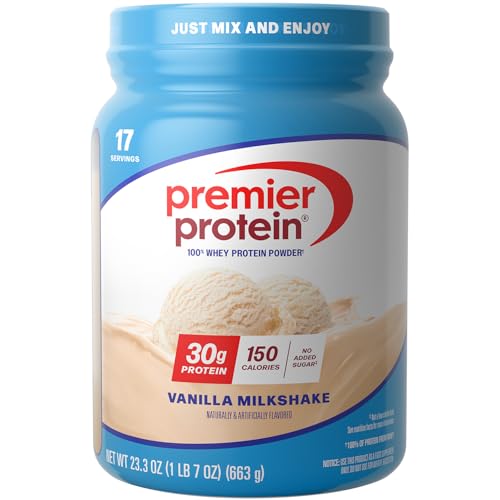
Offers 30 g of whey protein per serving with only 1 g of sugar and 3 g of carbs. This product is gluten-free and soy-free, making it suitable for many dietary needs. Best for: daily protein supplementation and quick meals. Caution: some users may prefer dairy-free alternatives due to lactose content; flavor options may vary by availability.
Premier Protein Chocolate Milkshake

Chocolate-flavored whey protein powder delivering 30 g per serving with 1 g sugar and 3 g carbs. It is dairy-based and gluten-free, with a focus on taste and satiety. Best for: satisfying sweet cravings while meeting protein goals. Caution: not suitable for individuals avoiding dairy or dairy-based supplements.
Dymatize ISO100 Whey Protein Isolate Gourmet Vanilla

ISO100 is a high-quality whey protein isolate designed for rapid absorption. It is filtered to minimize lactose, carbs, fat, and sugar, supporting fast muscle recovery. Best for: those who need quick protein uptake after workouts or who prefer a low-carbohydrate option. Caution: some flavors may be less palatable to those sensitive to vanilla profiles; check ingredient list for allergies.
Buying Guide: How to Choose Cheap Yet Effective Protein Powder
What matters most when choosing a budget-friendly protein powder? Consider protein source, amino acid profile, sugar and carb content, and tolerance for dairy or plant-based ingredients. Whey isolates tend to mix well and absorb quickly, while vegan blends offer cleaner ingredients and plant-based proteins. Evaluate serving size and protein per scoop to maximize value. If you train intensely, higher protein per serving and sufficient BCAAs matter. For weight management, look for low sugar and low carb options.
What type of protein should I choose?
Whey protein concentrates and isolates offer fast absorption and complete amino acids. If you avoid dairy or prefer a plant-based option, aim for vegan blends with pea, rice, and chia proteins. Plant-based proteins typically provide fiber or prebiotics, which can benefit digestion and satiety.
How important is sugar and carbohydrate content?
Lower sugar and fewer carbs help with weight management and lean-muscle goals. Some products show sugar around 1 g per serving, while others include several g of carbs. Consider your overall daily intake and fat loss targets when comparing labels.
Which protein powder is best for post-workout recovery?
Powders with higher BCAA content (leucine, isoleucine, valine) and a fast-absorbing protein source are preferred for post-workout recovery. Whey isolates often provide quicker amino acid delivery, while vegan blends may rely on a broader set of amino acids but may absorb more slowly.
What about flavor and mixability?
Flavor and mixability influence daily adherence. If you dislike gritty textures or aftertaste, consider brands with smoother mixes and a variety of flavors. Packaging variations can affect taste and scoop size, so check the serving recommendations on the label.
Are there any hidden considerations?
Some products include added vitamins or immunity-supporting ingredients. If you have dietary restrictions or allergies, review ingredient lists for soy, gluten, lactose, artificial sweeteners, or carrageenan. For vegan buyers, ensure the product is certified plant-based and Non-GMO where important.
FAQs
- Is whey protein better than plant-based protein for beginners? Whey protein is generally faster-absorbing and offers a complete amino acid profile, which can be helpful for beginners. Plant-based proteins are a viable alternative for those with dairy restrictions or ethical preferences.
- Can I use protein powder for weight loss? Yes, when used as a supplement to a balanced diet and exercise plan. Look for low sugar, moderate calories, and high protein per serving to support satiety and muscle maintenance.
- How do I choose the right serving size? Start with the recommended serving on the label. Adjust based on daily protein targets, activity level, and total daily protein intake from all sources.
- Are there health risks with protein powders? Most are safe when used as directed. Allergies, intolerances, and medications can interact with certain ingredients. Always consult a healthcare professional if unsure.
- Should I avoid dairy-based powders entirely? If you’re dairy-sensitive or vegan, select plant-based options. If dairy is acceptable, dairy-based powders often deliver faster absorption and higher leucine content per serving.
- What should I consider for taste and texture? Read flavor descriptions, check for mixability notes, and consider trial sizes when available. Some brands offer unflavored versions if you prefer adding your own taste.
Leave a Reply