Best Corn on the Cob Squirrel Food for Backyard Wildlife
Discover the best corn-on-the-cob options that attract and satisfy backyard squirrels and related wildlife. This guide highlights five top products, explaining who they are best for, why they’re a smart choice, and any limits to consider. Ideal buyers include wildlife enthusiasts seeking easy-to-store treats, those wanting mess-free feeding, and gardeners who welcome natural, seasonal nourishment for local critters. The table below compares key details to help you decide at a glance.
| Product | Best For | Approximate Pack Size | Notes |
|---|---|---|---|
| Kaytee Corn On The Cob, 6.5 lb | Squirrels, chipmunks, rabbits | 6.5 lb | Whole cobs, simple ingredients |
| Single A Corn Dried, 11 lb | Extended feeding, natural nourishment | 11 lb | Premium Georgia corn, storage friendly |
| JCs Wildlife Dried Corn On The Cob, 14 lb | Deer, raccoons, squirrels | 14 lb | Breathable packaging |
| 40 lb Bag of Ear Corn for Deer, Rabbits, Squirrels | High-volume feeding | 40 lb | Midwest grown |
| C&S Sweet Corn Squirrelog, 6-Pack | Squirrels, long-lasting feed | 6-pack | Keeps critters fed and reduces waste |
Kaytee Corn On The Cob, 6.5 lb

Best for a natural, ready-to-use corn source, Kaytee Corn On The Cob provides whole cobs with no added ingredients. It’s a straightforward choice for backyard wildlife lovers who want to offer a familiar snack that supports energy and growth in squirrels, chipmunks, rabbits, and other visitors. The simple formulation reduces concerns about additives. A potential limitation is the need for regular replenishment in peak feeding times to avoid quantity gaps.
SINGLE A CORN Dried Corn On The Cob, 11 Pounds
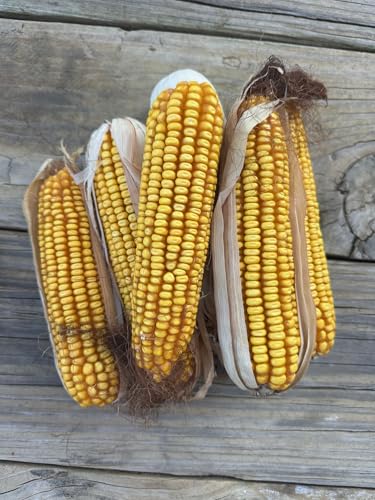
Choose this option for extended feeding cycles. Georgia-grown dried corn on the cob offers substantial portions for wildlife as seasons progress. It’s ideal for buyers who want a durable supply and straightforward storage in cool, dry spaces. A caveat is that dried corn requires proper moisture control; store away from damp areas to prevent spoilage.
JCs Wildlife Dried Corn On The Cob for Squirrels, 14 lb
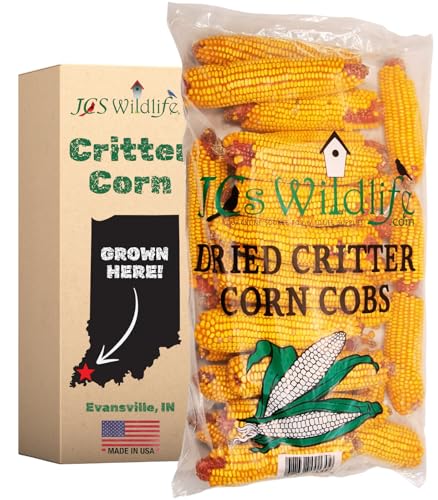
Geared toward a broad set of backyard critters, this dried-cob product supports multiple species in a single purchase. It’s especially useful for families with diverse wildlife visits, including raccoons, deer, and waterfowl. The breathable packaging helps prevent mold and spoilage during storage. Limitations include the need for cool, dry storage and careful inspection for moisture before use.
40 lb Bag of Ear Corn for Deer, Rabbits, Squirrels

Best for buyers needing high-volume feed, this Midwest-grown ear corn bag provides substantial quantities for ongoing wildlife support. It’s a practical choice for feeders with heavy traffic or larger outdoor spaces. A notable limitation is the heavy weight, which may require sturdy storage space and easier handling. Ensure the feed remains dry to avoid clumping.
C&S Sweet Corn Squirrelog, 6-Pack Refill

Designed to keep squirrels entertained while reducing feeder refills, Squirrelog offers long-lasting feeding. It’s best for owners who want a contained, mess-reducing solution that keeps critters away from bird feeders. The main caution is that it’s a refill product, so buyers should ensure they have compatible feeding setups to maximize use and minimize waste.
Himsel Farms Wildlife Treats, Ear Corn Kernels

A nutrient-packed option that emphasizes natural ingredients, Ear Corn kernels are designed for energy and growth. They’re mostly hassle-free, with no husks to remove. Best for buyers who want quick servings and easy storage. A potential limitation is that kernel quality can vary by batch, so inspect packaging before use.
Buying Guide
What should I consider when buying corn-on-the-cob for wildlife?
Look for whole cobs or kernels without added ingredients. Whole cobs are easier for some species to grab, while kernels provide quick energy. Package size matters for your space and feeding schedule. Breathable or dry packaging helps prevent spoilage. Consider storage space and how often you plan to refill feeders.
Which option is best for high-traffic feeding areas?
Smaller, contained items like Squirrelog refills or 6.5–14 lb bags are easier to manage in routine refills. For very busy yards, larger bags (40 lb or 14 lb with efficient dispensing) reduce shopping frequency but require sturdy storage.
Is dried corn safer than fresh corn for wildlife?
Dried corn on the cob is a long-life option that prevents mold when stored properly. Fresh ears can attract moisture and spoilage more quickly if not consumed, making dried forms preferable for long-term feeding in variable weather.
How should I store corn-on-the-cob feed?
Store in a cool, dry place away from direct sunlight. Use breathable bags or containers that prevent moisture buildup. Keep away from rodents and pests that can access stored feed.
Which species benefit most from these products?
Squirrels, chipmunks, rabbits, and various deer species are common beneficiaries. Some products also attract raccoons and waterfowl depending on the packaging and presentation. Choose based on which animals visit your yard most often.
What are common drawbacks to watch for?
Mess and waste can occur if feed is scattered. Some products require more frequent replenishment. Storage quality matters to prevent mold and spoilage. Always check packaging for freshness before first use.
FAQ
- What is the easiest corn-on-the-cob product for beginners? A: Pre-packaged corn-on-the-cob or small 6.5 lb packages are typically easiest to start with, offering straightforward feeding with minimal setup.
- Can I mix different brands? A: Yes, mixing can diversify nutrients and keep wildlife engaged, but ensure storage conditions suit all products equally.
- Which option lasts longest between feedings? A: Squirrelog refills and larger bags tend to last longer between refills due to their concentrated form and contained design.
- Is it necessary to remove husks before feeding? A: Some products are sold as whole cobs with husks; others are kernels ready to feed. Follow product instructions for best results.
- How can I minimize waste? A: Use contained feed options, place feeders away from open ground, and monitor wildlife activity to adjust portions.
- What should I do if mold appears? A: Stop feeding from that lot, discard spoiled portions, and inspect storage conditions to prevent future mold.
Leave a Reply