Best Paleo Vegan Protein Powders for Lean Muscle and Clean Nutrition
If you’re seeking a paleo-friendly vegan protein powder, you want clean ingredients, complete amino acids, and minimal sugar. This guide highlights top options that align with paleo and vegan principles, catering to athletes, busy professionals, and anyone avoiding dairy or gluten. Each pick focuses on high-quality plant protein blends, digestion-friendly formulas, and practical uses in shakes or meals. The table below summarizes five strong choices and who they’re best for, helping you narrow down quickly.
Selected products at a glance
- Peak Performance Organic Paleo Grain Free Plant Based Raw Vegan Protein Powder
- Orgain Organic Vegan Protein Powder, Vanilla Bean
- SOLO Organic Pea Protein Isolate – Unflavored
- EarthChimp Organic Vegan Protein Powder With Probiotics
- OWYN Only What You Need Chocolate Flavored Protein Powder
Peak Performance Organic Paleo Grain Free Plant Based Raw Vegan Protein Powder

Best for athletes seeking a grain-free, paleo-compatible blend with a strong amino acid profile. This powder uses organic pea and hemp proteins along with other nutrient-dense ingredients to support lean muscle and immune health. It emphasizes real-food ingredients and avoids artificial flavors or refined sugars, aligning with strict paleo and vegan standards.
Key features include a diverse plant protein mix and less than 1g sugar, designed to promote muscle building while remaining gut-friendly. The product is positioned for those who want a clean, non-GMO option that tastes good and digests well. A potential caution is that some users may prefer blends with more complete flavoring options beyond vanilla or chocolate.
Who it’s best for: Paleo purists who want a grain-free plant protein with a real-food profile and no artificial sweeteners. It’s also suitable for athletes who need a broad amino acid spectrum for muscle recovery.
Orgain Organic Vegan Protein Powder, Vanilla Bean
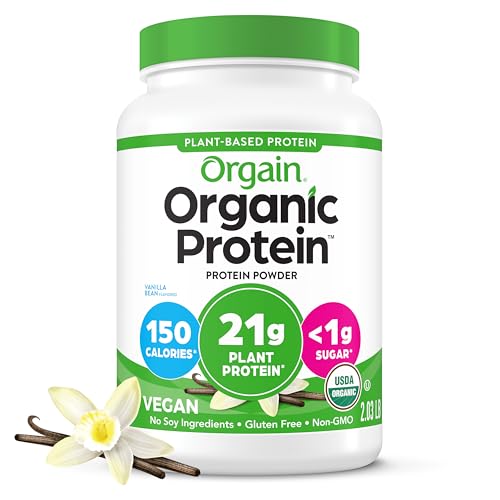
Best for everyday shakes and smoothies with a balanced mix of plant protein and prebiotic fiber. Orgain provides 21g of organic plant protein with low sugar, using a blend of peas, brown rice, and chia seeds. It’s a versatile choice for those prioritizing gut support and a clean vegan label with USDA Organic certification.
Limitations include that taste can vary between batches due to packaging changes, and some flavors may be perceived as milder without additional sweeteners. It’s a good pick for those who want a straightforward protein powder with reliable vegan certification and no dairy ingredients.
Who it’s best for: Shoppers seeking a well-rounded vegan protein with added fiber for gut health and a trusted organic certification. Ideal for shakes, smoothies, and baking where a neutral base is preferred.
SOLO Organic Pea Protein Isolate

Best for those who want a pure pea protein base with low sodium and a clean extraction process. This powder is grown in Canada and emphasizes a complete amino acid profile with BCAAs, supporting post-workout recovery and lean muscle. Its low-sodium formulation makes it suitable for people watching salt intake.
One limitation is that unflavored pea protein can have a more pronounced natural taste, which some users may offset with flavoring or blending. It’s a solid choice for athletes who value a simple, allergen-conscious protein source.
Who it’s best for: Shoppers seeking a high-protein, low-sodium pea isolate that blends smoothly with water or milk alternatives, and who want a straightforward, keto- and paleo-friendly option.
EarthChimp Organic Vegan Protein Powder With Probiotics
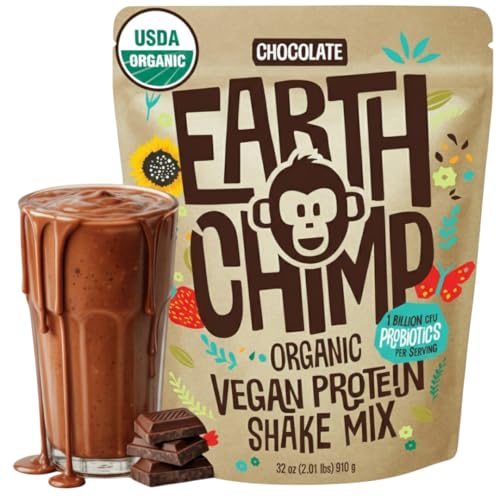
Best for those who want added probiotics alongside their plant protein. EarthChimp offers 20g of organic protein per serving with probiotic support, and a dairy-free, gluten-free profile. It emphasizes an organic certification and clean ingredients with no artificial flavors or added sugar.
Limitation to note: some users may prefer a stronger chocolate or vanilla flavor, as with some competing brands. The probiotic component can be a plus for digestion and gut health, especially for those with sensitive stomachs.
Who it’s best for: Individuals seeking a protein powder that also supports gut health via probiotics, suitable for meal replacement or post-workout shakes within a paleo-leaning vegan plan.
OWYN Only What You Need Chocolate Flavored Protein Powder

Best for those who want a dairy-free protein with minimal sugar and no artificial ingredients. OWYN uses a blend from peas, pumpkin seeds, and chia seeds, delivering 20g of protein with only 4g of sugar and 3g of fiber per serving. It is allergen-friendly and free from the top common allergens.
One consideration is that some flavors may be sweeter or lighter in taste; unflavored options are available elsewhere, but this chocolate flavor provides a convenient, palatable option. It’s a solid choice for people with multiple dietary restrictions seeking a clean protein source.
Who it’s best for: Vegans or those avoiding dairy who want a clean, allergen-friendly protein powder with low sugar and no artificial additives.
Orgain Organic Vegan Protein Powder, Creamy Chocolate Fudge

Best for fans of richer chocolate flavors who still want a clean vegan protein profile. This Orgain variant provides 21g of plant protein, 6g of prebiotic fiber, and no added sugar. It uses a blend of organic peas, brown rice, and chia seeds to supply all nine essential amino acids with a vegan-certified, organic label.
Possible drawback: Some users may find the flavor too sweet or too rich depending on mix method. It remains a dependable staple for smoothie bowls and recipes requiring extra protein and fiber.
Buying Guide
What should you look for in a paleo vegan protein powder?
- Protein source: Favor blends with organic pea, hemp, chia, pumpkin, and other whole-food ingredients to align with paleo and vegan principles.
- Amino acid completeness: Check that the formula offers a complete amino acid profile to support muscle synthesis and recovery.
- Sugar and sweeteners: Prefer powders with minimal or no added sugar and avoid artificial sweeteners if possible.
- Allergen considerations: If you have sensitivities, review allergen statements and ensure the product is dairy-free, gluten-free, and soy-free if desired.
- Digestive comfort: Some blends include probiotics, prebiotic fibers, or easily digestible formulations; consider your gut health goals.
- Certifications: USDA Organic, Non-GMO, and vegan certifications can provide extra assurance of ingredient quality and processing standards.
How to use paleo vegan protein powders
- Shakes: Blend with water or non-dairy milk for a quick post-workout option or meal replacement.
- Smoothies: Combine with fruits, greens, and healthy fats for a balanced meal.
- Baking: Add to smoothies, pancakes, or muffins for added protein without dairy.
How to compare products quickly
- Best for full meals: Look for higher protein per serving and added fiber or probiotics.
- Best for taste: Unflavored or lightly flavored options can be more versatile in recipes and shakes.
- Best for sensitive digestion: Choose blends with minimal processing, gut-friendly ingredients, and no artificial additions.
FAQ
- Q: Are paleo vegan protein powders suitable for keto?
- A: Many are compatible, but check net carbs per serving and sugar content to stay within your keto goals.
- Q: Do these powders contain dairy?
- A: All listed options are dairy-free and vegan-friendly.
- Q: Can I use these powders for baking?
- A: Yes, most can be incorporated into muffins, pancakes, and bars to boost protein content.
- Q: Are organic certifications important for paleo?
- A: While not mandatory, USDA Organic certification can help verify ingredient quality and farming practices.
- Q: Which powder has the best amino acid profile?
- A: Look for blends that include diverse plant sources (pea, hemp, chia, etc.) to ensure a broad amino acid spectrum.
Leave a Reply