Best Low Sodium Premade Pizza Crusts for Healthier Cheesy Nights
Finding a low sodium premade pizza crust is easier than you think. This guide highlights five crusts that minimize salt while maximizing flavor and convenience. These options suit busy families, keto or low-carb eaters, and those seeking gluten-free or grain-conscious choices. Below, you’ll discover who each product is best for, why it stands out, and any limitations to consider. A quick summary table helps compare key details at a glance.
| Product | Best For | Notable Note |
|---|---|---|
| Golden Home Ultra Thin | Protein-focused or shelf-stable needs | Contains 16g protein per crust |
| King Arthur Keto Crust Mix | Keto and low-carb dieters | 1g net carb per serving |
| Great Low Carb Thin Crust 2 Pack | Low-carb, fiber-conscious | 4 net carbs per crust |
| 365 Organic Rustic White Thin | Organic, yeast-leavened flavor | Thin and crispy holds toppings |
| Mama Mary’s 7″ Ready to Bake | Convenience with kosher option | Three crusts per pack |
Golden Home Ultra Thin Pizza Crust, 12″ (3 Pack)
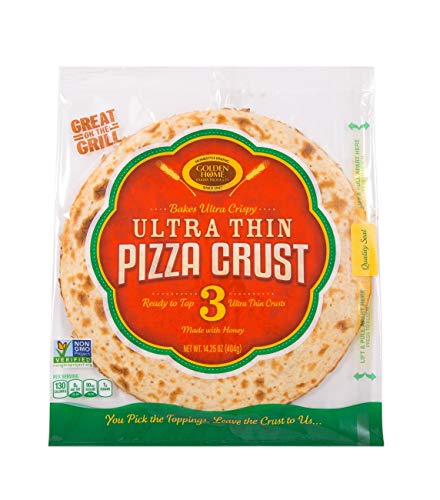
Best for protein-minded eaters who want a shelf-stable, ready-to-use crust. This 12-inch, ultra-thin crust offers a 16g protein boost per crust, helping make a simple pizza feel more substantial without extra prep. The crusts are shelf-stable for up to six months if unopened and can be stored in the refrigerator for 3–5 days after opening or frozen up to 30 days. Suitable for meal prep during the week or for quick family meals. Caution: protein-focused crusts can be denser; topping choice matters for overall texture.
King Arthur Keto Pizza Crust Mix

Best for keto dieters seeking a low-carb crust with simple preparation. The mix yields two 12-inch crusts and delivers only 1g net carbs per serving—an appealing option for those monitoring carbohydrate intake. It’s versatile for family dinners or entertaining guests with dietary restrictions. The kit provides an easy path to crisp and chewy crusts when followed with the box instructions. Limitation: the result depends on baking technique; inadequate handling can impact texture for picky eaters.
Great Low Carb Thin Crust 2 Pack

Best for those seeking a ready-to-use, low-carb crust with a short ingredient list. Each 8-ounce bag contains two crusts, totaling four servings with approximately 4 net carbs per crust. The crust uses premium ingredients like fresh yeast and modified wheat starch to produce a crisp, flavorful base. It’s a solid choice for low-carb meal rotation and quick dinners. Limitation: not strictly gluten-free due to wheat-based ingredients, so avoid if gluten intolerance is severe.
365 by Whole Foods Organic Rustic White

Best for organic enthusiasts who want a traditional yeast-raised crust with a rustic, white-flour profile. The 10-ounce crust is thin and crispy, designed to hold toppings well. Made with organic wheat flour, it appeals to shoppers seeking familiar flavors without artificial additives. Caution: thin crust can become soggy with heavy, sauce-heavy toppings; consider lighter toppings to preserve crisp texture.
Mama Mary’s 7″ Original Ready to Bake

Best for quick, ready-to-bake pizzas with a kosher option. This pack includes three 7-inch crusts, offering convenience for small meals or snack-sized pizzas. The ready-to-bake format reduces prep time, appealing to families and individuals short on time. Limitation: smaller crusts may require multiple crusts for a full pie in a single meal, which can impact cost and prep time if cooking for many people.
Buying Guide: Key Considerations for Low Sodium Premade Crusts
- What defines “low sodium” in a crust? Look for products with explicit sodium per serving and compare across options. Some crusts emphasize protein or low net carb counts, which may accompany different sodium levels.
- Crust type and texture. Decide between ultra-thin, thin, or traditional-style crusts based on toppings and personal preference for crispiness versus chewiness.
- Dietary needs. Keto, gluten-free, organic, or kosher requirements should guide your pick. Some crusts use wheat-based flours, while others are gluten-free or grain-conscious.
- Preparation and shelf life. Shelf stability, refrigeration needs, and freezer options affect meal planning and storage. Ready-to-bake options save time, while mixes require a few extra steps.
- Toppings and serving size. Consider the size and number of servings per crust. Smaller crusts may be ideal for snacking or individual meals; larger crusts suit family dinners.
Frequently Asked Questions
- What is the lowest-sodium premade pizza crust available? Answer: Look for crusts that specify sodium per serving and compare brand labels; options vary by product and size.
- Are keto pizza crusts always low sodium? Answer: Not always; some keto crusts emphasize net carbs and may have varying sodium content. Always check the nutrition label.
- Can these crusts be frozen for later use? Answer: Many crusts and mixes are designed for freezing or extended storage; consult package guidance for best results.
- Are organic crusts better for sodium content? Answer: Organic status does not guarantee lower sodium; check the nutrition facts for sodium per serving.
- What toppings pair best with low-sodium crusts? Answer: Fresh vegetables, lean proteins, and low-sodium cheeses complement low-sodium bases without overwhelming saltiness.
- Is there a gluten-free low-sodium option among these crusts? Answer: CAULIPOWER offers a cauliflower-based crust, which is gluten-free, though sodium content varies by product. Always verify nutrition labels.
Leave a Reply