Best Protein Supplements for Vegetarians: Top Plant-Based Picks for 2026
Finding reliable protein supplements that fit a vegetarian lifestyle is easier with clearly labeled plant-based options. This guide highlights five well-rounded choices, focusing on complete amino acid profiles, clean ingredients, and digestive comfort. Ideal buyers include athletes seeking muscle support, vegetarians new to protein shakes, and anyone prioritizing gluten-free or dairy-free formulas. Below is a quick summary table of the featured products.
| Product | Best For | Key Benefit |
|---|---|---|
| Orgain Organic Vegan Protein + 50 Superfoods Powder | Overall nutrition | Complete plant protein with prebiotic fiber and 50 organic superfoods |
| NAKED Pea Protein Isolate | Pure protein | One-ingredient yellow pea protein, no additives |
| Micro Ingredients Organic Pea Protein Powder | Value & bulk | Bulk organic pea protein powder for shakes and smoothies |
| Truvani Organic Plant Based Protein Powder | Clean label | USDA Organic, no added sugar, no fillers |
| Garden of Life Super Seed Fiber Powder | Digestive health | Fiber-rich blend with protein and omega-3s |
Orgain Organic Vegan Protein Plus 50 Superfoods
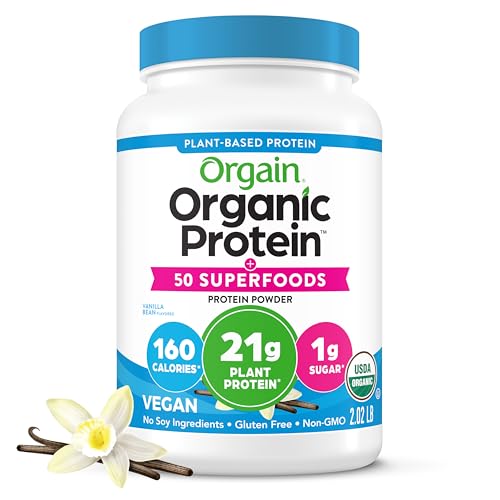
Best for: vegetarians seeking a complete protein alongside fiber and immune-supporting superfoods. This product blends organic pea, brown rice, and chia to deliver all nine essential amino acids with 21g protein per serving and 8g prebiotic fiber. It is USDA Organic, gluten-free, non-GMO, and dairy-free, with no added sugar and no soy. The 50 Superfoods Blend provides additional vitamins and minerals.
Why chosen: It emphasizes clean ingredients and a robust protein mix while avoiding lactose, dairy, carrageenan, and artificial additives. The inclusion of prebiotic fiber supports gut health, which is beneficial for digestion and nutrient absorption. Better for those who want a ready-to-mix option with a broad nutrient profile.
Limitations: Some users may prefer a lower sugar option; this contains 1g sugar per serving. Best for those who value organic certification and gut-supporting ingredients rather than simply protein quantity.
NAKED Pea Protein Isolate

Best for: purists who want a single-ingredient protein powder without additives. This 100% yellow pea protein powder provides 27g protein and 2g sugar per serving, with no dairy, soy, gluten, or artificial additives. It is NSF Certified, reinforcing its purity and safety for minimalist diets.
Why chosen: The absence of sweeteners or flavors makes it versatile for unflavored shakes, smoothies, or cooking. It’s ideal for vegetarians who want predictable, clean nutrition and a straightforward protein source. Caution: some users report a stronger pea flavor; consider pairing with cacao or fruit to mask taste if needed.
Micro Ingredients Organic Pea Protein Powder

Best for: budget-conscious shoppers who want a large quantity of organic pea protein for frequent use. This 2.2-pound bag offers a cost-effective option with non-GMO, soy-free, and vegan-friendly ingredients, suitable for shakes, baking, and meal prep.
Why chosen: It delivers a solid protein punch per serving and is easy to incorporate into daily meals. Limitation: As a bulk powder, texture may vary; ensure proper blending to avoid clumps. Good for DIY protein blends and green smoothies.
Truvani Organic Plant Based Protein Powder

Best for: shoppers seeking a clean, transparent label with no artificial additives. Truvani emphasizes organic ingredients and a simple formula sourced from organic pea, pumpkin seed, and chia seed proteins. It’s vegan, gluten-free, and dairy-free, with no added sugar.
Why chosen: The absence of soy, wheat, dairy, and fillers makes it suitable for sensitive eaters and those following strict vegan or keto-friendly patterns. Limitation: Some might prefer higher protein per serving; verify protein content per scoop for your goals.
Garden of Life Super Seed Fiber Powder

Best for: vegetarians who want a fiber-forward option with extra protein support. This powder blends six grams of fiber, six grams of protein, omega-3 fats, probiotics, and enzymes per serving, derived from 14 sprouted seeds, grains, and legumes.
Why chosen: It provides digestive health benefits alongside protein, making it a practical add-on for daily nutrition. Limitation: Not a pure protein powder; best used as a supplement to a protein shake or meal rather than the sole protein source.
Buying Guide: Key Considerations For Vegetarian Protein Supplements
What should you look for when choosing a plant-based protein powder? Consider protein source, amino acid completeness, and ingredient quality. Decide if you prefer single-ingredient powders (like pea protein) or blends with added fibers, probiotics, or superfoods. For those with dietary restrictions, check for gluten-free, dairy-free, soy-free, and non-GMO certifications. Flavor, texture, and mixability influence daily use, especially for workouts or busy mornings.
Is a complete amino acid profile important?
Yes. A blend that includes peas, rice, and seeds (or similar mixes) can provide a complete amino acid profile, supporting muscle repair and growth for vegetarians who don’t consume animal proteins.
Should I prioritize organic or non-GMO?
Organic ingredients reduce exposure to pesticides and may align with broader dietary goals. Non-GMO labeling can provide reassurance about sourcing, but verify certifications to avoid ambiguity.
What about flavor and additives?
Unflavored or lightly flavored powders often blend best with beverages and foods. If avoiding artificial sweeteners or flavors, choose options that list simple, recognizable ingredients and no added sugars.
How to use protein powder effectively?
Use as a supplement to a balanced diet. Common uses include smoothies, protein-enhanced oatmeal, or baking recipes. Match serving size to your protein targets and daily intake goals for optimal results.
Are there digestion-friendly options?
Some products include prebiotic fibers, probiotics, or digestive enzymes. If sensitive to fiber or dairy, consider blends designed for gut health and choose dairy-free formulas.
What are common limitations to expect?
- Flavor preferences and texture can vary by brand and ingredient list.
- Some products have higher sugar content or flavoring agents that may not suit all diets.
- Allergen considerations: check for gluten, soy, or nut ingredients.
Frequently Asked Questions
- What is the best plant-based protein for vegetarians?
A blend of proteins (peas, rice, seeds) often provides a complete amino acid profile and better texture than single-ingredient powders. - Can these supplements help with muscle recovery?
Yes, protein supports muscle repair and growth, especially when paired with resistance training and adequate daily protein intake. - Are organic options worth it?
Organic can align with overall standards and avoid certain additives, though it may come at a higher price and not always necessary depending on your goals. - Is sugar content a concern?
Some products include added sugars or natural sweeteners; check labels if you need low-sugar options. - How do I choose between flavored and unflavored?
Unflavored blends are more versatile for meals; flavored varieties are more enjoyable but may contain sweeteners or additives.
Leave a Reply