Best Fertilizer for Raspberry Plants: Top 5 Options for Bountiful Harvest
Gardening success with raspberries hinges on steady, balanced nutrition. The right fertilizer provides essential nutrients, improves soil pH where needed, and promotes healthy canes, roots, and abundant fruit. Below are five well-regarded options designed for raspberry health, flavor, and yield. Each product is evaluated on suitability for raspberry canes, soil compatibility, and ease of use for American gardeners seeking reliable results.
| Product | Form | Key Benefit | Best For |
|---|---|---|---|
| Espoma Berry-Tone 4-3-4 (2-Pack) | Organic granular | Supports all berries with ready-to-use formula | Establishing plants and feeding established beds |
| TPS Raspberry Fertilizer (8 oz) | Liquid | Boosts root strength, cane development, and fruit production | Quick feeding for visible growth |
| Down To Earth Organic Acid Mix (4-3-6) | Granular/acid-loving mix | Low pH support for acid-loving berry plants | Blueberries, raspberries, and other acid-loving plants |
| TPS Raspberry Fertilizer (32 oz) | Liquid | Similar benefits as 8 oz version with larger quantity | Larger raspberry plantings or ongoing feeds |
| True Organic Berry Food (4 lb) | Organic granular | Nutrient-rich blend with sulfur to aid soil pH and micronutrient uptake | Organic gardeners seeking soil pH assistance |
Note: This article highlights products commonly used by raspberry gardeners in the United States. Always follow label directions and tailor applications to your soil test results for best results.
Espoma Berry-Tone 4-3-4 (2-Pack)

Espoma Berry-Tone is a natural and organic fertilizer designed to feed all berries, including raspberries. It contains a 4-3-4 analysis with 5% sulfur and is enhanced with Bio-tone, a beneficial microbial formula. The product is ready to use and eliminates mixing, making it convenient for both planting and feeding established plants. Gardeners typically apply Berry-Tone during early spring and late spring for best results, aligning with the harvest cycle of most raspberry varieties. The formula emphasizes safety with no sludges or toxic ingredients, appealing to organic and environmentally conscious growers.
TPS Raspberry Fertilizer for Raspberry Plants (8 oz)
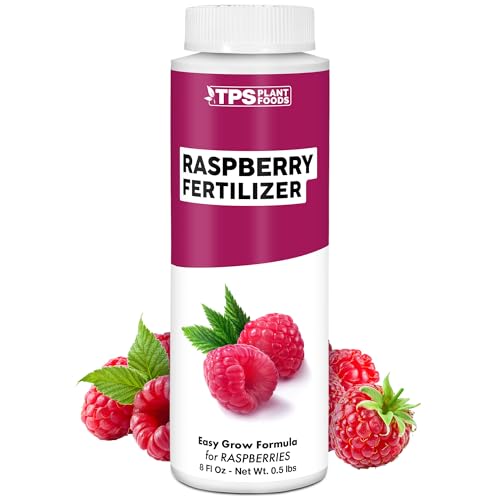
This TPS NUTRIENTS formula targets raspberry plants with a specialized blend designed to promote strong root systems, cane development, and increased fruit production. The liquid formulation allows quick uptake by plants, enabling observable growth between feeding events. It’s ideal for home raspberry beds or containers where rapid results are desirable. Regular applications can help sustain vigor throughout the growing season, particularly when combined with proper watering and sun exposure.
Down To Earth Organic Acid Mix (4-3-6)

Down To Earth All Natural Fertilizers offers an organic acid mix tailored for acid-loving plants, including raspberries, blueberries, and azaleas. This 4-3-6 formulation helps create a soil environment favorable to nutrient availability by supporting lower pH levels. Applications in early spring encourage vegetative growth, while additional feeds at bloom time can promote robust fruit development. The mix is designed for environmentally conscious gardeners seeking a natural approach to soil health.
TPS Raspberry Fertilizer (32 oz)

The larger 32 oz version of TPS Raspberry Fertilizer provides the same targeted benefits as the 8 oz bottle but suits bigger plantings or sustained feeding programs. This liquid formula supports rapid nutrient delivery, helping raspberry canes and roots respond with stronger growth and more prolific fruit set. For best results, apply as directed with appropriate dilution and irrigation to prevent fertilizer burn and ensure even distribution across beds or containers.
True Organic Berry Food (4 lb)

True Organic Berry Food is designed to support abundant berry harvests with a nutrient-rich organic blend. It contains sulfur to help lower soil pH naturally, improving micronutrient availability for healthy plant growth. The formula includes seabird guano, shrimp and crab shell meal, and other organic ingredients that enrich soil structure and fertility. This option appeals to gardeners seeking an earthy, slow-release feeding that aligns with sustainable, organic gardening practices while aiding acid-loving plants like raspberries.
Buying Guide: Key Purchase Considerations For Raspberry Fertilizers
- Plant stage and goals: For established beds, a balanced 4-3-4 like Berry-Tone supports ongoing growth and fruiting, while acids-and-sulfur blends help manage soil pH for acid-loving varieties.
- Form and application: Granular fertilizers are convenient for soil incorporation at planting or early spring feeds, whereas liquid formulas offer fast uptake and quicker visible results. Consider your site setup, container gardening, and composting plans when choosing a form.
- Soil pH and micronutrients: Raspberry plants prefer slightly acidic soils. If your soil test shows high pH, blending an acidifying product or using supplements that lower pH can improve nutrient availability. Look for magnesium, zinc, and calcium in the blend for overall plant health.
- Organic vs. synthetic: Organic options (Berry-Tone, True Organic) support longer-term soil health and microbial activity, while synthetic blends may deliver quicker results. Match product choice to your gardening philosophy and environmental conditions.
- Feeding schedule: Most raspberries benefit from spring feeds, with a second feeding in early summer or as growth slows. Follow label directions to avoid over-fertilization, which can damage canes or reduce fruit quality.
- Safety and maintenance: Use PPE as recommended, water thoroughly after applying granular products, and avoid applying directly to plant crowns or foliage to prevent burn. Store fertilizers in a cool, dry place away from children and pets.
When selecting a fertilizer for raspberries, consider your soil type (clay, loam, sandy), local climate, and raspberry cultivar. If you have a home test kit or access to a local extension service, use results to tailor your regimen. Diversifying with a combination of organic matter and targeted fertilizer can optimize soil health and berry production over multiple growing seasons.
Leave a Reply