Best Sweet Corn Seeds for Gardeners and Homegrown Harvests
Discover top-rated sweet corn seeds ideal for American home gardens. This guide highlights five dependable, open-pollinated and hybrid options that perform well across many regions, from cool climates to warmer summers. Each selection emphasizes flavor, germination, and yield, helping you plan a tasty, sun-filled corn harvest season.
Summary of Selected Products
| Product | Brand | Notes |
|---|---|---|
| The Old Farmer’s Almanac Heirloom Sweet Corn Seeds (Golden Bantam) | The Old Farmer’s Almanac | Open-pollinated, warm-season, classic Golden Bantam |
| Seed Needs Peaches and Cream Sweet Corn Seeds | Seed Needs | Hybrid, bicolor, early-to-mid harvest |
| HOME GROWN Golden Bantam Corn 2 Pack | HOME GROWN | Heirloom Golden Bantam, beginner-friendly |
| Burpee Ambrosia Sweet Corn Seeds | Burpee | White and yellow checkered kernels, sweet |
| Sow Right Seeds Bantam Sweet Corn Seed | Sow Right Seeds | Open-pollinated, tall stalks, multiple ears |
The Old Farmer’s Almanac Heirloom Sweet Corn Seeds (Golden Bantam)

The Old Farmer’s Almanac Heirloom Sweet Corn Seeds come from a trusted source for gardener-recommended varieties. This open-pollinated Golden Bantam corn thrives in warm temperatures, with ears that display plump, bright yellow kernels noted for sweetness and flavor. The Variety is well-suited to regional summers where temperatures sit between 75–90F. Gardeners should position plants to maximize sun exposure, as corn stalks can grow 6–8 feet tall and potentially shade neighboring plants. For best results, harvest when ears darken, silks brown, and kernels appear plump with a milk-like juice. Packaging emphasizes gift-ready, individually styled seed packets with clear planting instructions on the back.
Key characteristics include open-pollination for reliable, non-GMO gardening and a heritage flavor that appeals to traditional corn lovers. Gardeners seeking a classic heirloom experience will appreciate the Golden Bantam’s storied background and dependable performance in warm-season gardens.
Seed Needs Peaches and Cream Sweet Corn Seeds

Seed Needs presents Peaches and Cream as a hybrid, sugary-enhanced (SE) bicolor corn. The yellow-and-white kernels deliver a dual-flavor experience, appealing to families and cooks who enjoy contrasting colors and tastes on the cob. Early maturity, with some sources suggesting harvest around 80–90 days after planting, makes this variety suitable for regions with shorter growing seasons. For reliable pollination, plant in blocks (multiple rows) rather than single rows, and ensure soil temperatures reach 60°F or higher to support germination. The hybrid nature offers uniform ears and strong yields for home gardens.
From a practical standpoint, Peaches and Cream is well-suited to gardeners who want a quick-to-harvest option without sacrificing sweetness. The color mix adds visual appeal to summer gardens, and the hybrid genetics help stabilize uniform fruit across a patch of plants.
HOME GROWN Golden Bantam Corn 2 Pack

HOME GROWN offers a pair of Golden Bantam corn seed packets, totaling 200 seeds. This heirloom variety is renowned for its sweet, tender kernels and time-tested performance. The seeds are described as beginner-friendly, thriving in full sun and a broad range of soils. They are designed to grow in USDA zones 3–11, tolerating temperatures from 65°F to 95°F. Direct sowing is recommended for best results, with stalks capable of reaching up to 6 feet. The emphasis on ease of growth makes this option appealing to new gardeners seeking a reliable, classic sweet corn harvest.
Choosing Golden Bantam reflects a preference for a familiar heirloom flavor that has endured in American gardens for generations. Gardeners appreciate straightforward cultivation, steady germination, and robust plants that deliver dependable ears season after season.
Burpee Ambrosia Sweet Corn Seeds

Burpee Ambrosia is a white-and-yellow checkered, sugar-enhanced (SE) sweet corn variety. Plants grow about 6.5 feet tall and produce ears around 8 inches long with plump, sweet kernels ideal for summer picnics and fresh eating. With a recommended gardening schedule that has sowing aligned to the last frost and harvest around 75 days later, Ambrosia provides a reliable, mid-to-late season harvest window. The mix of colors adds visual appeal to plots and baskets, while the SE trait offers a familiar sweetness that fresh ears deliver at the peak of sweetness.
This option appeals to gardeners seeking a dependable, family-friendly selection that balances flavor, yield, and ease of care. The presence of both white and yellow kernels creates a visually attractive crop and a versatile eating experience.
Sow Right Seeds Bantam Sweet Corn Seed
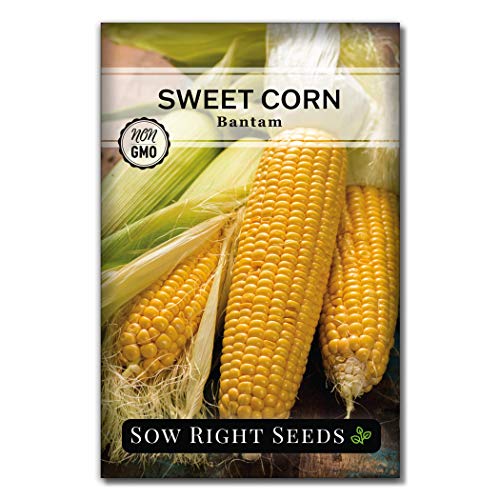
Sow Right Seeds presents a Bantam Sweet Corn option designed for home gardeners. This open-pollinated heirloom produces two or more ears per stalk, each ear featuring eight rows of golden kernels. The packet size is generous, with about 50 seeds per minimum, ensuring a solid starting set for a productive patch. Germination occurs in 7–14 days at soil temps of 65–75°F. Typical plant height reaches 20–24 inches with a 6–12 inch spread, and maturity ranges from 60–100 days, depending on climate and conditions. This variety emphasizes productivity and old-fashioned sweetness, making it a versatile choice for cooks and garden enthusiasts alike.
The Bantam seed line is favored by gardeners who want compact plants without sacrificing yield. Its robust early-to-mid season performance supports a steady supply of fresh corn through warm-weather months.
Buying Guide: Key Purchase Considerations and Comparisons
- Open-pollinated vs. hybrid: Open-pollinated seeds preserve genetic diversity and can be saved for next year, while hybrids may offer uniformity and vigor but may not produce consistent offspring if seeds are saved. If you value long-term seed-saving, prioritize open-pollinated options like Golden Bantam and Bantam varieties.
- Color and flavor profile: Decide whether you want classic yellow ears, bicolor kernels, or white-yellow patterns. Bicolor varieties like Peaches and Cream offer visual appeal and a dual flavor experience, while Golden Bantam provides traditional sweetness with a deep golden hue.
- Growing season and climate: Consider your average last frost date and heat tolerance. Early-maturing varieties (around 75–90 days) are better for shorter growing seasons, while heat-tolerant options suit hotter regions. Cool-climate-friendly seeds can extend your harvest window in northern zones.
- Pollination strategy: For optimal ears, plant in blocks rather than single rows to promote cross-pollination. Proper spacing and sun exposure maximize ear development and kernel fill.
- Storage and germination: Packaging and seed quality influence germination rates. Look for seeds with clear planting instructions and reputable packaging, especially if you plan to store seeds for future seasons.
- Maintenance and soil needs: Corn generally prefers full sun and well-drained soil rich in organic matter. Ensure consistent watering during tasseling and ear development. Mulching helps retain soil moisture and suppress weeds.
- Regional suitability: Some seed packets explicitly target USDA zones or temperature ranges. Choose varieties that match your local climate for the best results and a robust harvest.
Across these selections, you can balance traditional heirloom sweetness with modern hybrids designed for reliability and yield. Whether you prefer the storied Golden Bantam flavor, the visual appeal of Peaches and Cream, or the straightforward guidance of beginner-friendly options, the seed choices above offer options to fit most backyard gardens. Plan blocks of corn in your beds, provide ample sun, and monitor soil temperatures to support vibrant ears from late spring through late summer.
Leave a Reply